ChatGPT Is Still Huge, But Rival AI Chatbots Are Catching Up Fast
Recent reports indicate that ChatGPT, the flagship AI chatbot developed by OpenAI, is experiencing a notable decline in its audience share, dropping below 50% for the first time. According to Sensor Tower's State of AI 2026 report, this shift is largely attributed to the rising popularity of competing AI models such as Gemini and Claude. Gemini, benefitting from its default-app status on various platforms, and Claude, which has gained traction through ties with significant governmental projects, are rapidly closing the gap with ChatGPT. This change signifies a pivotal moment in the AI landscape, where competition is intensifying and user preferences are diversifying.
The increasing competition in the AI chatbot space is not unexpected. OpenAI's ChatGPT has enjoyed a dominant position since its inception, largely due to its advanced natural language processing capabilities and broad accessibility. However, rivals have been quick to innovate and leverage unique advantages. Gemini's integration as a default application on certain devices has made it easily accessible to a larger audience, while Claude's partnerships with governmental agencies have enhanced its credibility and reliability. This environment sets the stage for a rapidly evolving market in which user engagement strategies and technological advancements will play critical roles.
The implications of this trend are significant for the market. As audience share becomes more fragmented, companies will need to adapt their strategies to maintain user engagement and loyalty. A declining share for ChatGPT could challenge OpenAI to innovate further, potentially leading to new features or pricing models that could reshape how users interact with AI chatbots. Additionally, the rise of competitors may drive investment into the sector, resulting in a broader array of AI solutions that cater to different user needs. This could ultimately enhance the quality of AI interactions across the board as companies strive to differentiate themselves.
Industry experts are taking note of these developments and offering various perspectives on the shifting dynamics. Some analysts suggest that OpenAI may need to pivot its strategy to recapture lost ground, possibly by enhancing its product offerings or exploring new partnerships. Others argue that the emergence of robust competitors is a natural progression in a maturing market, ultimately benefiting users through increased choice and innovation. The discussions surrounding these shifts highlight a growing recognition of the importance of adaptability in technology sectors, where consumer preferences can change rapidly.
Looking ahead, the AI chatbot landscape is likely to continue evolving as more players enter the field and existing ones refine their offerings. As competition heats up, we could see an acceleration in the development of features that enhance user experience, such as improved contextual understanding and personalized interactions. It remains to be seen how OpenAI will respond to these challenges, but one thing is clear: the race for dominance in the AI chatbot market is far from over.

CoinMagnetic Team
Crypto investors since 2017. We trade with our own money and test every exchange ourselves.
Updated: June 2026
From our insights:
Related news

Bitcoin's weekly close above $81,000 signals potential rise to $90,000

Elon Musk's X integrates bitcoin trading options for U.S. users
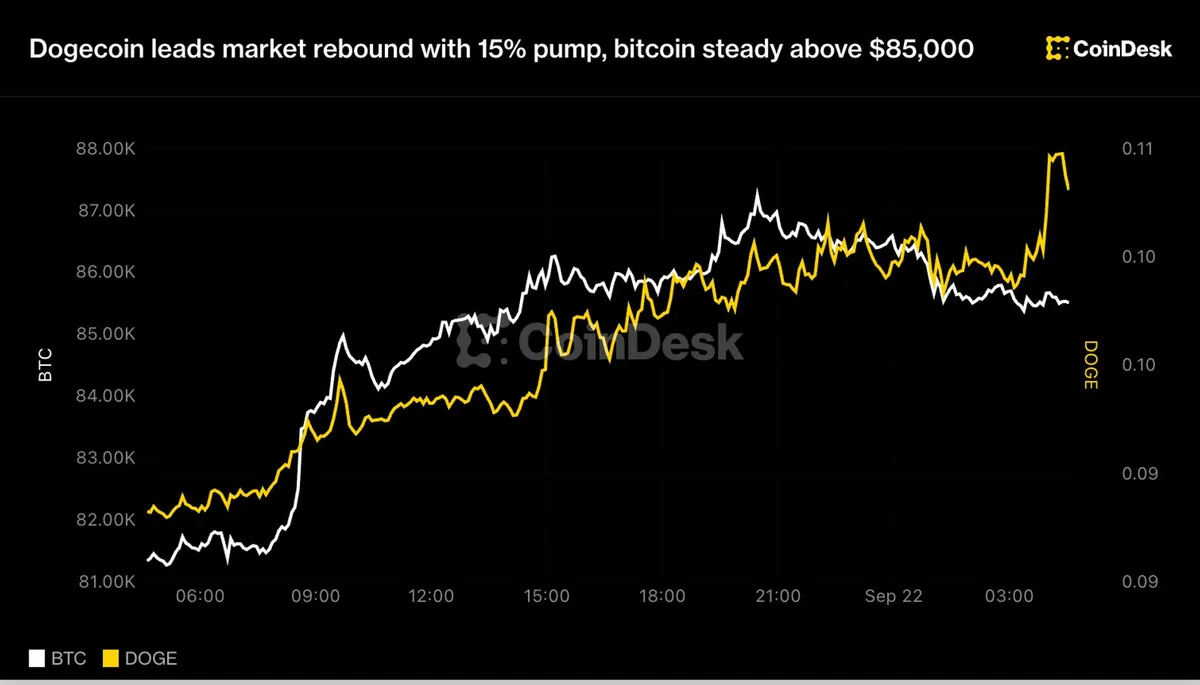
Dogecoin's 15% surge drives market recovery as bitcoin stabilizes above $85,000

Cardano adds tools for AI agent payments, joining Solana and XRP Ledger

Trueo prediction market moves from Base to Ethereum