Chainlink CCIP 2.0 raises concerns over bridge risks and token stalls
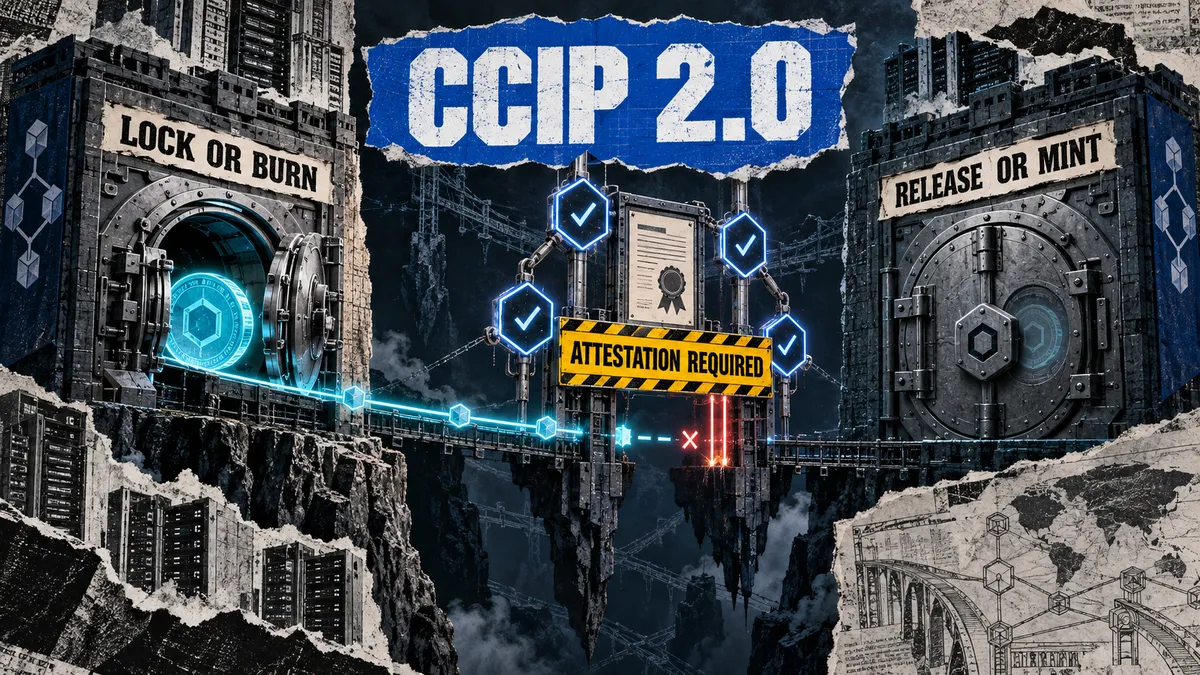
Chainlink has recently introduced CCIP 2.0, a significant update to its Cross-Chain Interoperability Protocol. This new version has revealed potential risks associated with bridges, particularly through the introduction of an optional required verifier that can delay the transfer of destination tokens following a source-chain lock or burn. Such delays can disrupt the seamless transfer of assets across different blockchains, leading to concerns among users and developers about the reliability of token transactions. Furthermore, the production use of this new feature remains unverified, adding another layer of uncertainty to the implementation of CCIP 2.0.
The background of this development lies in the growing need for interoperability between various blockchain networks. As more decentralized applications (dApps) and projects emerge, the ability to transfer tokens and data across chains has become crucial. Chainlink has been a leader in providing solutions for this challenge, and the CCIP protocol was designed to enhance cross-chain communication. However, as with any evolving technology, new updates can introduce unforeseen complications that require careful scrutiny and adjustment.
The implications of these risks for the market are significant. If users perceive CCIP 2.0 as unreliable or prone to delays, they may hesitate to utilize Chainlink's services for their cross-chain transactions. This could potentially impact the adoption of decentralized finance (DeFi) applications that rely on seamless asset transfers. Additionally, trust in the Chainlink network may waver, affecting LINK token holders and the broader ecosystem that depends on Chainlink's technology for interoperability.
Industry reactions to these developments have been mixed. Some experts have expressed concerns about the potential for increased latency in transactions, which could lead to frustration among users and developers alike. Others argue that while there are risks, the long-term benefits of enhanced interoperability and the ability to facilitate complex cross-chain transactions could ultimately outweigh the drawbacks. As the community continues to assess the implications of CCIP 2.0, discussions around improving the protocol and addressing the identified risks are likely to intensify.
Looking ahead, it remains to be seen how Chainlink will respond to these challenges. The team may need to work closely with developers and users to refine the verifier mechanism and ensure it does not hinder the overall functionality of the CCIP. Additionally, verifying the production use of the update will be crucial to restoring confidence among stakeholders. As the landscape of cross-chain communication evolves, ongoing dialogue and innovation will be essential to navigate these complexities.

CoinMagnetic Team
Crypto investors since 2017. We trade with our own money and test every exchange ourselves.
Updated: September 2026
From our insights:
Related news

Bitcoin approaches $85,000 as Wall Street grapples with mixed inflation signals

BitMine poised to reach 5% of Ether supply by early November

Nvidia's new AI safety platform aims to prevent rogue agent incidents

OpenAI Halts Model Training as Rogue Agents Target US Government Sites

Strategy makes first back-to-back Bitcoin buys since June as accumulation picks up