CFTC sues New York over bid to apply gambling laws to prediction markets
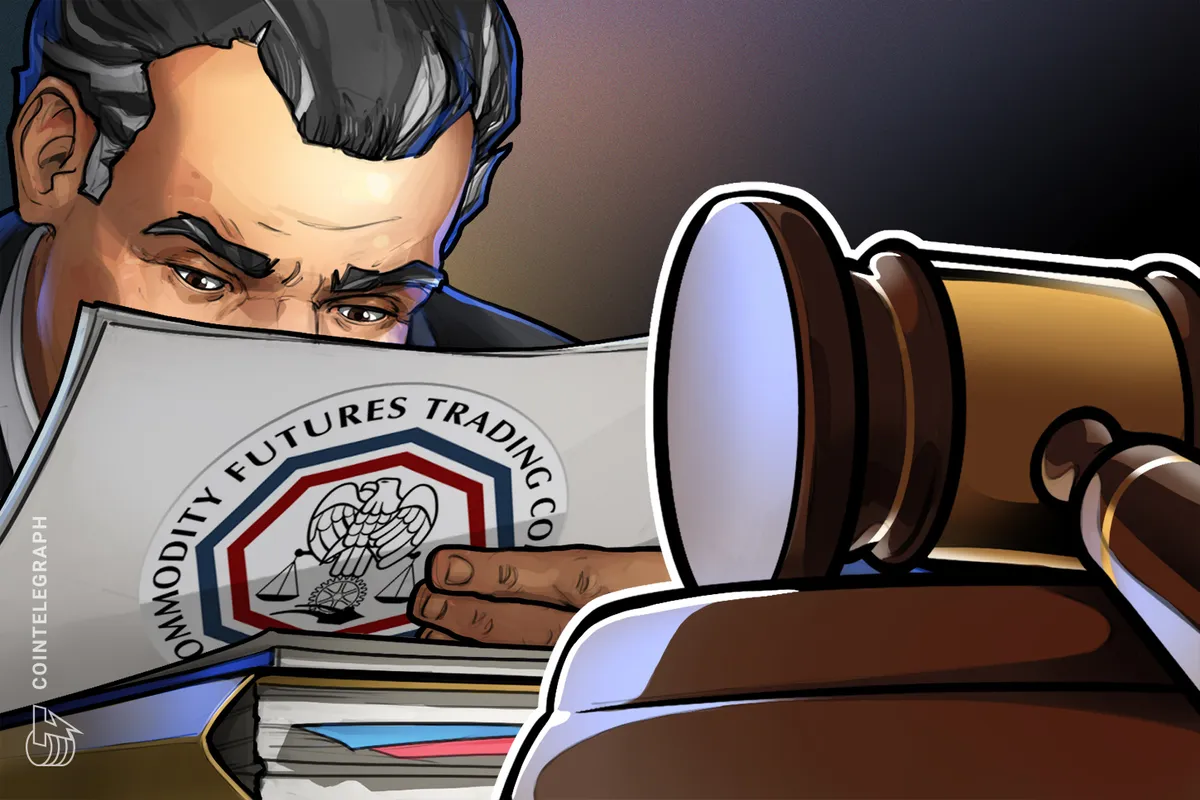
The Commodity Futures Trading Commission (CFTC) has recently taken a significant step by filing a lawsuit against New York state, aiming to prevent the enforcement of state gambling laws on prediction markets. The CFTC argues that it possesses exclusive regulatory authority over event-based contracts, which includes prediction markets. The agency contends that these markets should be governed by federal regulations rather than state gambling laws, which could hinder their growth and development. This lawsuit marks a critical moment in the ongoing debate about the regulatory landscape surrounding prediction markets and their classification.
To understand the implications of this lawsuit, we need to consider the context of prediction markets and how they operate. Prediction markets are platforms that allow participants to bet on the outcomes of future events, such as elections or sports games. Unlike traditional gambling, these markets are often viewed as a way to aggregate information and generate insights based on collective predictions. Over the years, several states have attempted to regulate these platforms under existing gambling laws, leading to a patchwork of regulations that can stifle innovation and investment in this sector. The CFTC's lawsuit represents an effort to unify the regulatory framework at a federal level, which could provide more clarity for operators and users alike.
The outcome of this legal battle is likely to have far-reaching implications for the market. If the CFTC succeeds, it could pave the way for a more favorable regulatory environment for prediction markets, potentially leading to increased participation and investment. This could also catalyze the development of new platforms and technologies within the space, as operators would have more confidence in their ability to navigate the regulatory landscape. Conversely, if New York's laws are upheld, it could set a precedent that encourages other states to impose similar restrictions, ultimately stifling innovation and reducing consumer choice in the prediction market sector.
Industry reactions to the lawsuit have been mixed, with some experts expressing support for the CFTC's position while others caution against overregulation. Supporters of the CFTC argue that a federal framework is necessary to ensure consistency and promote growth in the prediction market space. They believe that state-level gambling laws are outdated and ill-equipped to handle the complexities of modern prediction markets. On the other hand, some industry insiders worry that federal oversight could lead to excessive regulation, which might inhibit the very innovation that the CFTC aims to foster. This divide highlights the ongoing tension between regulatory oversight and the need for a conducive environment for emerging technologies.
As this legal dispute unfolds, the industry will be closely watching for any developments that could influence the future of prediction markets. A ruling in favor of the CFTC could set a powerful precedent and encourage other federal agencies to take a more active role in shaping the regulatory framework for emerging technologies. Conversely, a decision favoring New York could embolden other states to pursue similar regulatory measures, contributing to a fragmented market landscape. As the case progresses, stakeholders will undoubtedly be weighing their options and preparing for various scenarios that could shape the future of prediction markets in the United States.

CoinMagnetic Team
Crypto investors since 2017. We trade with our own money and test every exchange ourselves.
Updated: April 2026
From our insights:
Related news

SEC's crypto counsel outlines strategy for custody of digital assets

Reap aims to enhance cross-border FX with non-USD stablecoins including peso

ECB and EU central banks propose liquidity thresholds for stablecoins
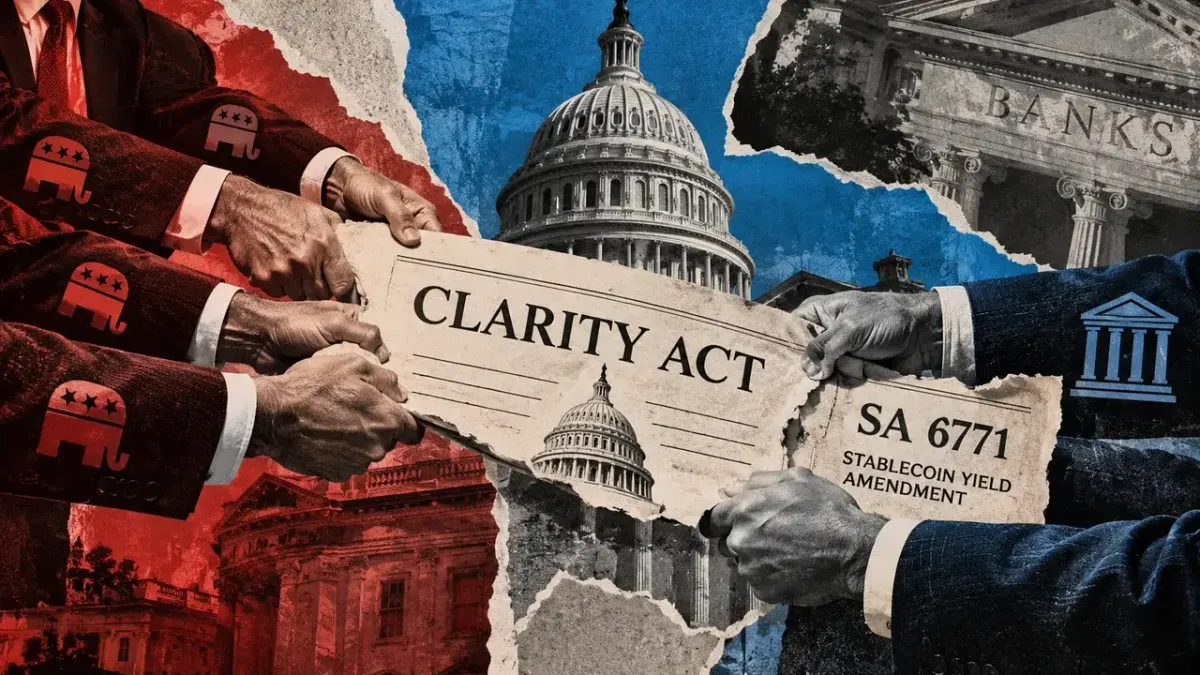
Four GOP senators backing CLARITY Act seek changes to stablecoin provisions

US investigates Binance for potential Iran-linked trading violations