US authorities freeze $344M in crypto linked to Iran

The recent announcement from U.S. authorities regarding the freezing of $344 million in cryptocurrency linked to Iran has sent ripples through the crypto community. This development comes on the heels of Tether's confirmation that it had frozen the same amount of its USDt stablecoin at the request of U.S. law enforcement. This action is part of a broader effort to combat illicit activities related to sanctioned entities, highlighting the ongoing tensions between the U.S. and Iran over various geopolitical issues, including nuclear proliferation.
The context surrounding this freeze underscores the increasing scrutiny cryptocurrencies face from regulators, particularly in relation to how they can be used to bypass sanctions. Iran has been known to utilize digital currencies to evade economic restrictions imposed by the U.S. and other nations. As cryptocurrencies grow in popularity and usage, they present both opportunities and challenges for regulatory bodies that are trying to maintain oversight while also fostering innovation. The U.S. government's decisive action illustrates its commitment to enforcing existing sanctions and ensuring that digital currencies do not serve as a loophole for illicit financial activity.
This freeze is significant for the market as it raises questions about the role of stablecoins and their susceptibility to regulatory actions. Tether’s rapid response in freezing the funds suggests that centralized entities in the crypto space are increasingly aware of their responsibilities in compliance with law enforcement. This could lead to a heightened sense of caution among investors and institutions regarding their engagements with cryptocurrencies, especially those linked to jurisdictions under sanctions. Additionally, such regulatory actions may influence broader market sentiment, potentially affecting the liquidity and trading strategies of various crypto assets.
Industry reaction to the freeze has been mixed. Some experts view this as a necessary step to uphold the rule of law and maintain the integrity of financial systems, emphasizing that compliance is crucial for the sustainable growth of the crypto industry. Others, however, argue that such actions could stifle innovation and push users towards less regulated platforms. The conversation is becoming increasingly nuanced, with calls for clearer regulatory guidelines that balance enforcement with the need for innovation in the rapidly evolving crypto landscape.
Looking ahead, the implications of this action could lead to further regulatory scrutiny across the crypto sector. As authorities continue to monitor and regulate cryptocurrency transactions, businesses and users alike will need to adapt to an environment that prioritizes compliance. This may prompt the development of new technologies and solutions aimed at improving transparency and reducing the risk of regulatory breaches. The ongoing dialogue between regulators and the crypto industry will be crucial in shaping the future of digital currencies in a compliant and innovative manner.

CoinMagnetic Team
Crypto investors since 2017. We trade with our own money and test every exchange ourselves.
Updated: April 2026
From our insights:
Related news

SEC's crypto counsel outlines strategy for custody of digital assets

Reap aims to enhance cross-border FX with non-USD stablecoins including peso
ECB and EU central banks propose liquidity thresholds for stablecoins
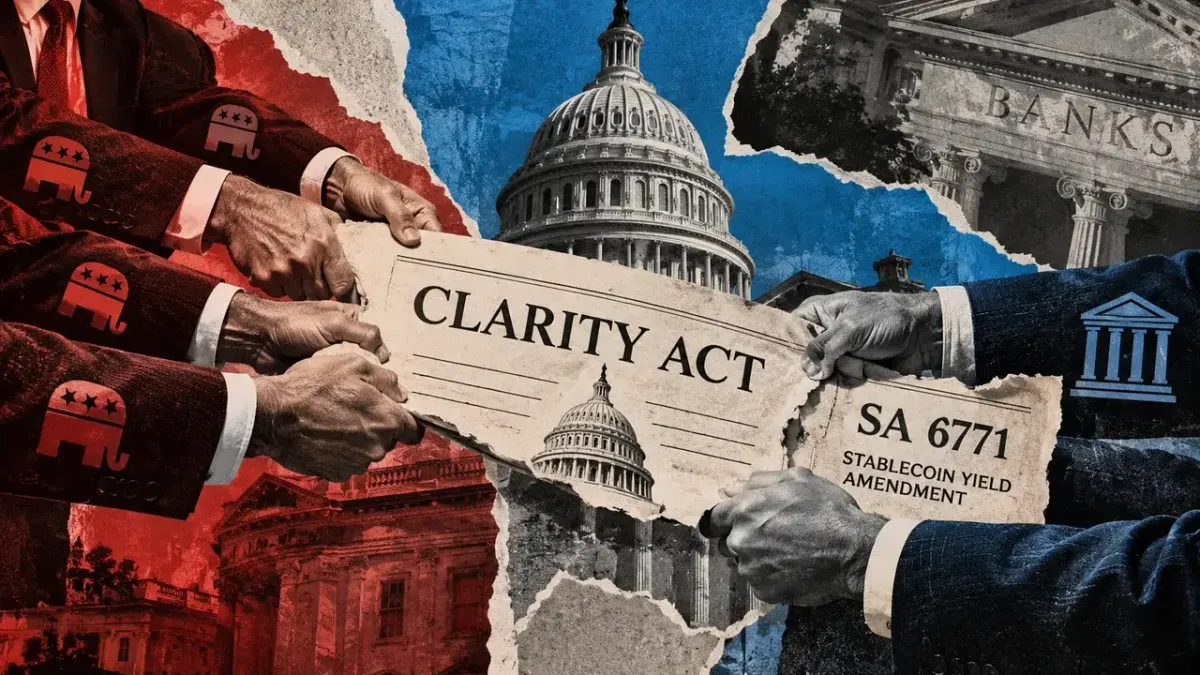
Four GOP senators backing CLARITY Act seek changes to stablecoin provisions
US investigates Binance for potential Iran-linked trading violations