CFTC sues Minnesota over first explicit state ban on prediction markets
The Commodity Futures Trading Commission (CFTC) has initiated legal action against the state of Minnesota, following the state's decision to implement what is being recognized as the first explicit ban on prediction markets. This new law, which directly targets the operation of prediction markets within the state, has raised significant concerns among various stakeholders. The CFTC argues that this legislation could create a hostile environment for exchanges, payment providers, media partners, and even sports leagues, potentially exposing them to criminal liability for their involvement in prediction markets.
To understand the implications of this lawsuit, it's essential to consider the context in which Minnesota's law was enacted. Prediction markets, which allow individuals to bet on the outcomes of future events, have gained popularity as a means of gathering insights and making bets on various topics, from political outcomes to sports results. Traditionally, these markets have operated in a somewhat gray area under existing financial regulations. The CFTC has generally maintained that these markets should be regulated under existing gambling laws, but Minnesota's approach marks a significant departure, effectively banning their operation and raising questions about state versus federal jurisdiction in the realm of financial and betting regulations.
The implications of the CFTC's lawsuit are far-reaching for the broader market. By challenging Minnesota's ban, the CFTC is asserting the importance of maintaining a regulatory environment that allows for the flourishing of prediction markets, which can provide valuable information and liquidity. If successful, this lawsuit could set a precedent that reinforces the federal government's role in regulating such markets, potentially leading to a more standardized approach across states. Conversely, if Minnesota's law is upheld, it could deter the development of prediction markets, leading to a fragmented and inconsistent regulatory landscape that could hinder innovation and growth in the sector.
Industry reactions to the CFTC's lawsuit have been mixed. Some experts view the action as a necessary step to ensure that the regulatory framework governing prediction markets remains flexible and accommodating to evolving technologies and consumer interests. Others, however, express concerns that federal intervention could stifle state autonomy and limit the ability of states to enact laws that they believe are in the best interest of their residents. This division of opinion highlights the ongoing tension between state and federal regulatory approaches within the rapidly evolving landscape of prediction markets and cryptocurrency.
As this legal battle unfolds, the crypto and prediction markets industries will be watching closely. The outcome could significantly impact how prediction markets are treated under U.S. law, potentially paving the way for either greater federal oversight or reaffirming state sovereignty in regulating these markets. Stakeholders may also be compelled to reassess their strategies and compliance protocols in light of this lawsuit, anticipating changes in the regulatory environment that could affect their operations in the near future. The decision could ultimately shape the future of prediction markets, determining whether they can continue to thrive or will face stricter limitations going forward.

CoinMagnetic Team
Crypto investors since 2017. We trade with our own money and test every exchange ourselves.
Updated: May 2026
From our insights:
Related news

Crypto firms put $206 million behind the midterms: here’s who their political machine is backing
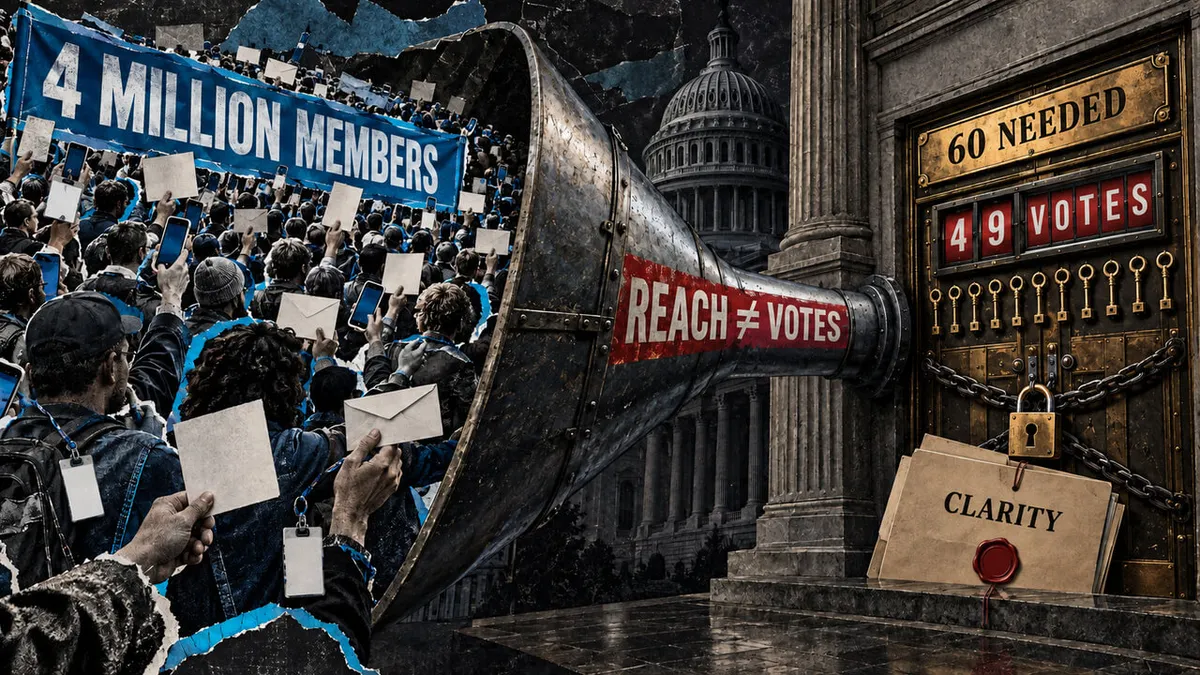
Stand With Crypto’s 4 million registered advocates couldn’t get the CLARITY Act through the Senate

Kakao Pay, KakaoBank to explore stablecoin opportunities with Fireblocks

US Attorney's investigation into Binance focuses on Iran sanctions compliance

ECB initiates wholesale digital euro for banks and tokenized bond purchases