CFTC looks to cement non-custodial software developer protections following Phantom no-action letter
The Commodity Futures Trading Commission (CFTC) is currently exploring the possibility of implementing new rules that would clarify the regulatory status of non-custodial software developers in the cryptocurrency space. This move follows a recent no-action letter issued to Phantom, a wallet provider, which indicated that the CFTC would not pursue enforcement actions against them for operating without being registered as a broker. By solidifying its stance on the registration requirements for software developers, the CFTC aims to provide much-needed clarity to the industry and safeguard innovation while ensuring compliance with existing regulations.
The backdrop to this development lies in the growing complexity of the cryptocurrency ecosystem, where software developers often create tools that facilitate trading and asset management without directly handling customer funds. Historically, the line between a broker and a software developer has been blurred, leading to uncertainty regarding regulatory obligations. The CFTC's recent engagement with Phantom signals a recognition of the unique role that non-custodial developers play in the market and the need for a more nuanced approach to regulation in this rapidly evolving sector.
This move is significant for the market as it could set a precedent for how the CFTC will treat similar entities in the future. By potentially exempting non-custodial software developers from the same requirements imposed on traditional brokers, the CFTC may encourage more innovation and participation in the crypto space. This could lead to an influx of new technologies and services that enhance user experience and market efficiency, ultimately benefiting consumers and investors alike. Furthermore, establishing clear guidelines could help alleviate the fears some developers have regarding regulatory overreach, allowing them to focus on building rather than navigating compliance issues.
Industry reactions have been mixed, with many developers welcoming the CFTC's consideration of a tailored regulatory framework. Experts in the field have emphasized the importance of striking a balance between regulation and innovation. Some argue that overly stringent rules could stifle creativity and hinder the progress of decentralized finance (DeFi) applications, while others emphasize the need for consumer protections in a space that has been marred by fraud and mismanagement. As discussions continue, industry stakeholders are keenly watching how the CFTC will shape the future landscape of non-custodial software development.
Looking ahead, the CFTC's actions will likely influence not only the regulatory environment for software developers but also the broader narrative around cryptocurrency regulation in the United States. As the agency drafts potential rules, it will be essential to engage with developers and industry advocates to ensure that the resulting framework fosters innovation while maintaining necessary oversight. The coming months will be critical as the CFTC seeks to provide clarity and direction in an industry marked by rapid change and uncertainty.

CoinMagnetic Team
Crypto investors since 2017. We trade with our own money and test every exchange ourselves.
Updated: May 2026
From our insights:
Related news
Iran hints at reopening Strait of Hormuz, WTI oil drops to $89

New altseason signal emerges as Bitcoin market cap stays under 60%

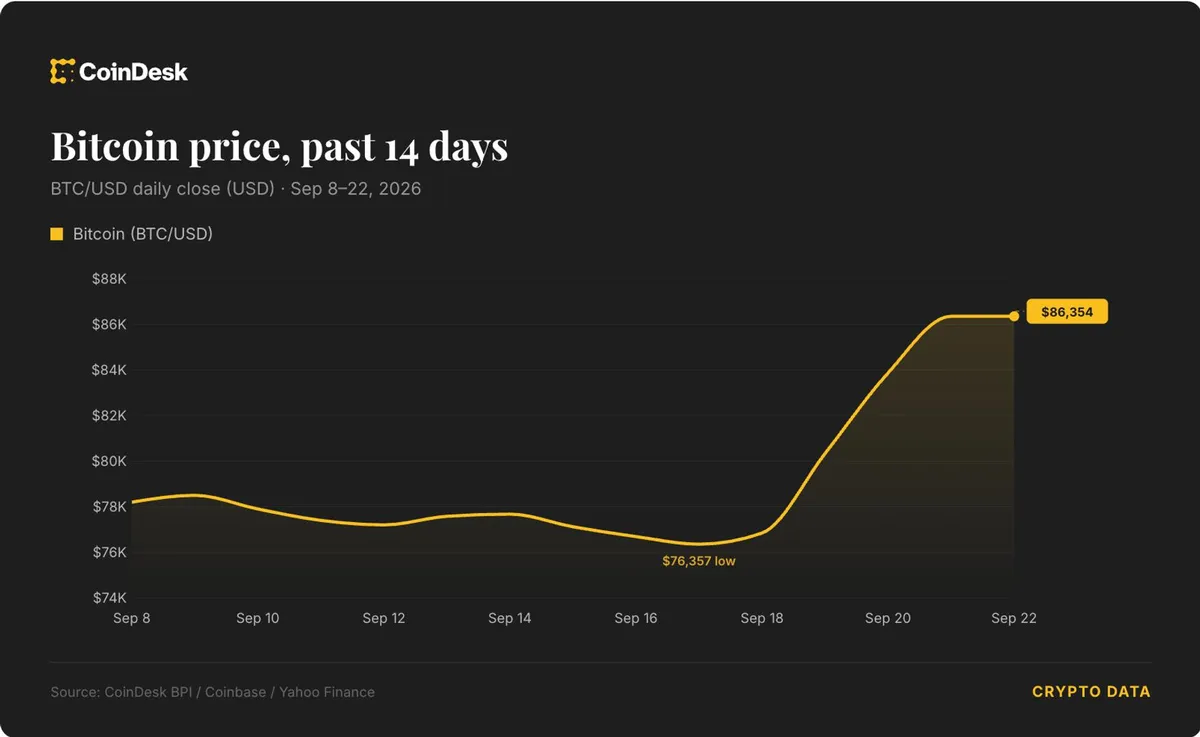
Bitcoin nears $86,000 as crypto market cap surpasses $3 trillion

Bitcoin's weekly close above $81,000 signals potential rise to $90,000

Elon Musk's X integrates bitcoin trading options for U.S. users