CFTC redefines event contracts as swaps while excluding casino-style gambling
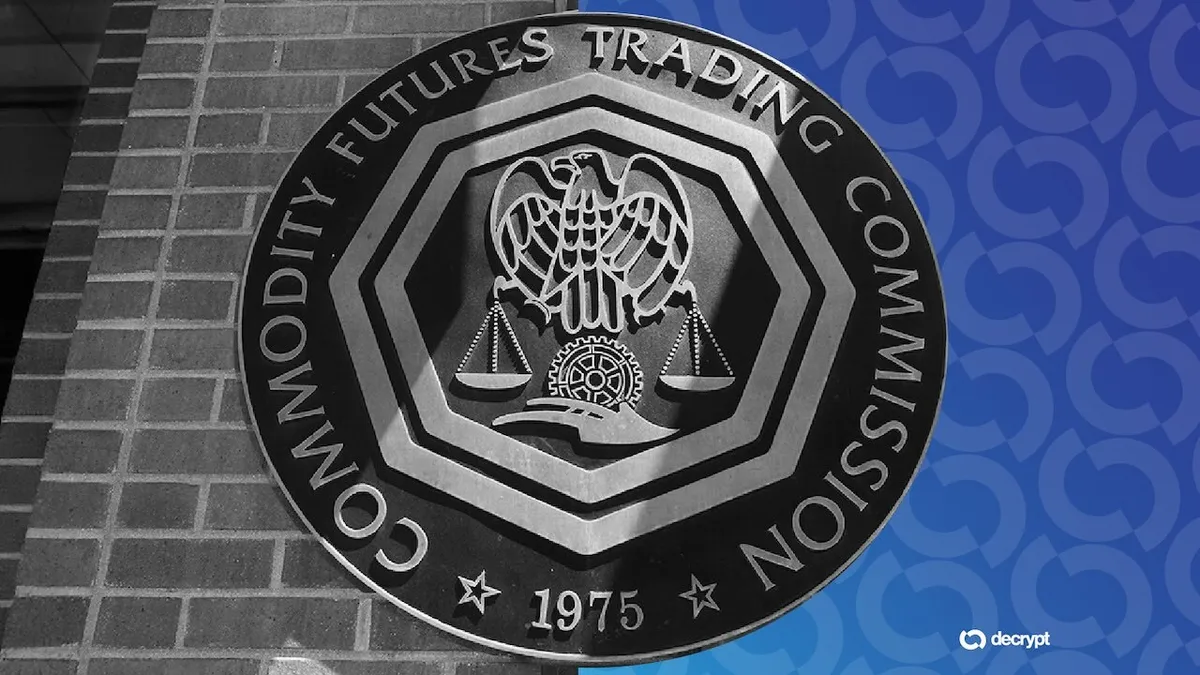
Regulators at the Commodity Futures Trading Commission have taken a definitive step in shaping the oversight of derivatives by proposing a new rule that explicitly categorizes event contracts tied to politics, sports, culture, and weather under the legal definition of a swap. At the same time, the agency issued an interim rule that firmly excludes traditional casino-style gambling from this classification. This two-pronged regulatory approach serves to sharpen the federal watchdog's claim to exclusive jurisdiction over these emerging financial instruments, drawing a sharp operational boundary for platforms that host event-based wagering and forecasting.
This move comes as prediction markets and event-driven financial platforms experience a surge in mainstream visibility and trading volume, particularly during major political cycles and global events. Historically, the legal grey area surrounding event contracts has led to jurisdictional friction between federal commodities regulators and state-level gaming boards. By formally integrating these products into the established swap framework, the agency is attempting to bring standardized federal oversight, transparency, and risk management to a sector that has operated largely unchecked at the intersection of entertainment, speculation, and finance.
For the broader financial and crypto markets, this development matters because many decentralized applications and prediction platforms rely on the uninterrupted flow of event-based contracts. Clear regulatory definitions can provide long-awaited legal certainty for institutional participants and developers looking to build compliant infrastructure. However, it also subjects these products to the rigorous reporting, clearing, and capital requirements that govern traditional derivatives, potentially altering the operational landscape for smaller startups in the forecasting space.
Industry observers and legal experts are currently parsing the text of both rules to understand the full compliance burden they will place on market operators. While some welcome the clarity that comes with an explicit federal framework, others express concern that heavy-handed classifications could stifle innovation or push certain prediction markets into offshore jurisdictions. The debate centers on whether the regulatory approach balances consumer protection with the organic growth of decentralized forecasting tools.
As the rulemaking process moves forward, stakeholders across the derivatives and prediction market sectors will have the opportunity to submit comments during the designated public feedback periods. The agency will then review these responses before finalizing the regulations. For us at CoinMagnetic, watching how this regulatory boundary impacts both centralized platforms and decentralized protocols will remain a key focus as the compliance landscape continues to evolve.

CoinMagnetic Team
Crypto investors since 2017. We trade with our own money and test every exchange ourselves.
Updated: October 2026
From our insights:
Related news

Robinhood Chain activity drops over 40 percent since mid-September

Ajay Shinjin jailed for role in $265,000 SIM-swap crypto theft spree

Spot Bitcoin ETFs see $484.9 million outflow in a single day as trends shift

NFL argues Kalshi's sports contracts are gambling in Supreme Court brief

Decrypt launches self-custodial platform on Solana for financial services