CFTC chair says perp trading not suitable for all assets it regulates
Michael Selig, the chair of the Commodity Futures Trading Commission (CFTC), recently addressed U.S. cotton producers, sharing his insights on the regulatory landscape for cryptocurrency perpetual futures. He emphasized that the agency's approach to this form of trading may not be suitable for all assets within its jurisdiction, particularly traditional commodities such as agricultural products. Selig's comments come amid growing discussions around the risks associated with cryptocurrency trading, which often features high volatility and leverage that may not align with the more stable nature of traditional commodities.
To understand the significance of Selig's remarks, it is essential to consider the evolving relationship between regulatory bodies and cryptocurrency markets. Perpetual futures, a popular derivative product in the crypto space, allow traders to speculate on the future price of digital assets without an expiration date. This trading mechanism has gained traction among crypto investors, but it also raises concerns about market stability and investor protection. The CFTC has been grappling with how to regulate these products effectively, especially as they intersect with traditional commodity markets.
This distinction matters greatly for the market as it highlights the potential risks associated with applying a one-size-fits-all regulatory framework. By acknowledging that perpetual trading may not be a “natural fit” for agricultural markets, Selig is signaling to market participants that different asset classes may require tailored approaches to regulation. This could lead to increased scrutiny of how these products are marketed and traded, impacting both crypto exchanges and traditional commodity producers who may be considering entering the crypto space.
Industry experts have responded to Selig's comments with a mix of caution and support. Some believe that a more nuanced regulatory approach could help protect investors while fostering innovation within the crypto sector. Others caution that overly stringent regulations could stifle growth and limit the competitive edge that digital assets have over traditional commodities. The conversation surrounding these issues is likely to continue as the CFTC and other regulatory bodies work to find the right balance between protecting investors and promoting market efficiency.
Looking ahead, it will be interesting to see how the CFTC's stance influences the future of crypto perpetual futures and their integration–or lack thereof–with traditional commodity markets. As regulators refine their frameworks, market participants will need to stay informed about potential changes that could affect their trading strategies. This ongoing dialogue between regulatory entities and industry stakeholders will play a critical role in shaping the landscape for both cryptocurrencies and traditional assets in the years to come.

CoinMagnetic Team
Crypto investors since 2017. We trade with our own money and test every exchange ourselves.
Updated: June 2026
From our insights:
Related news

Bitcoin longs face $280 million liquidation as BTC dips below $84K

Solana's Alpenglow enters testnet phase as SOL approaches January peak

EU to focus on AI and tokenization oversight by 2027, says ESMA
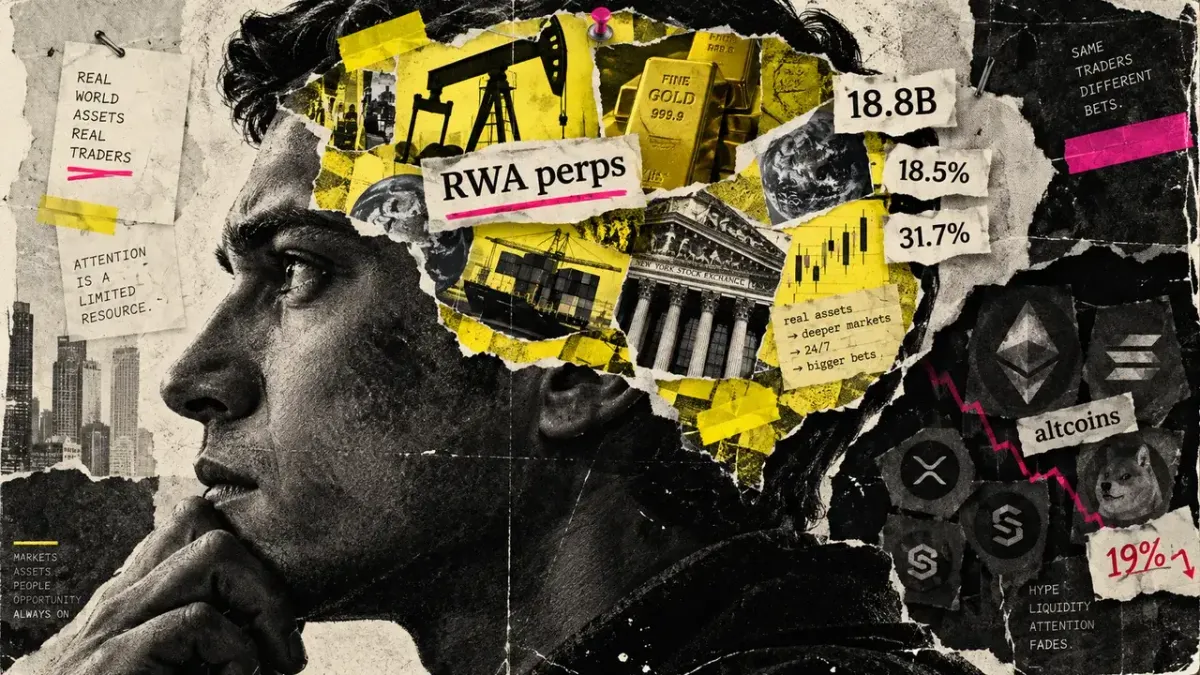
Traditional asset perps draw $18B as altcoin trader numbers drop to 19%
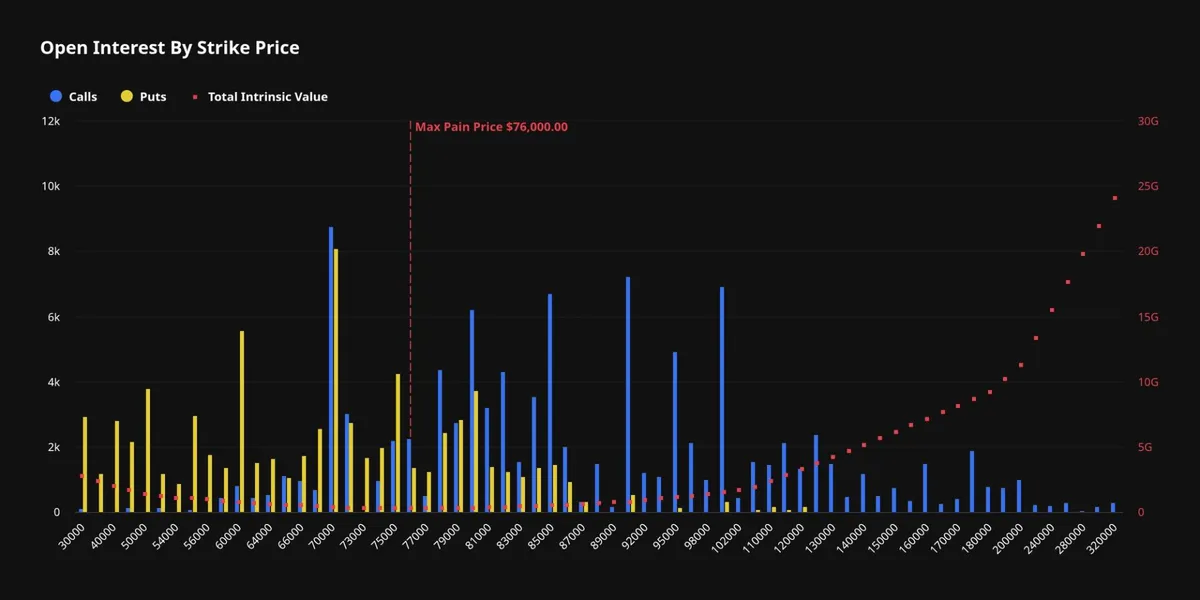
Bitcoin options settlement of nearly $18 billion could impact volatility