Centralized Elements 'Frequently Persist' in DeFi and Should Be Regulated: FATF
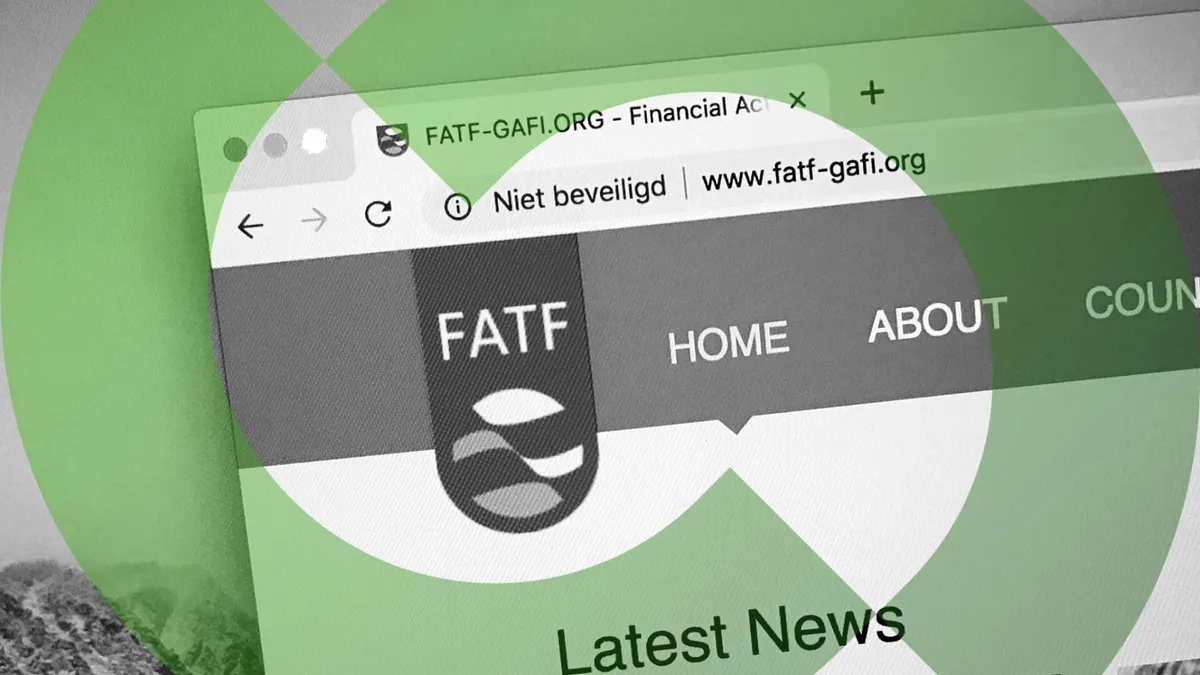
The Financial Action Task Force (FATF) has recently issued a report highlighting that centralized elements continue to persist within decentralized finance (DeFi) platforms and called for regulatory measures to address these issues. The FATF, an intergovernmental organization focused on combating money laundering and terrorist financing, expressed concern that most countries have yet to implement the necessary regulations for DeFi. The watchdog specifically warned that platforms failing to comply with its guidelines could face outright bans, emphasizing the importance of regulatory frameworks to ensure a safer financial ecosystem.
The rise of DeFi has brought significant innovation to the financial sector, allowing users to engage in financial transactions without traditional intermediaries. However, the increasing centralization observed in certain aspects of DeFi–such as governance models, liquidity provision, and protocol management–has raised alarms among regulators. The FATF’s report serves as a reminder that even in a space designed to operate without central control, elements of centralization can pose risks related to anti-money laundering (AML) and combating the financing of terrorism (CFT). This situation has prompted many countries to grapple with how to regulate DeFi effectively while fostering innovation.
The implications of the FATF's stance are profound for the cryptocurrency market. As regulators begin to take a more active role in overseeing DeFi platforms, the potential for stricter regulations could lead to a shift in how these platforms operate. It may also discourage new projects from entering the space or lead to existing platforms re-evaluating their business models. The risk of outright bans for non-compliant platforms could create a more fragmented market, where only those able to meet regulatory standards thrive. This regulatory pressure could also impact user behavior, as individuals may seek out platforms that assure compliance over those that prioritize decentralization.
Industry reactions to the FATF's report have been mixed. Some experts believe that regulation is a necessary step to protect investors and ensure the long-term viability of DeFi. Others argue that excessive regulation could stifle innovation and undermine the very principles that DeFi was built upon–decentralization and user autonomy. Prominent voices in the crypto community have called for a balanced approach that respects the unique attributes of DeFi while also addressing legitimate concerns related to illicit activities. This ongoing debate highlights the challenge regulators face in crafting rules that both protect consumers and allow for innovation.
Looking ahead, the FATF's recommendations will likely prompt countries to reassess their regulatory frameworks concerning DeFi. We can expect to see a push for more comprehensive legislation aimed at tackling the challenges presented by centralized elements in decentralized systems. As the regulatory landscape evolves, DeFi platforms will need to adapt, and stakeholders across the industry will be watching closely to see how these developments unfold. The way forward will require collaboration between regulators and the DeFi community to create a safe and innovative environment for all participants.

CoinMagnetic Team
Crypto investors since 2017. We trade with our own money and test every exchange ourselves.
Updated: July 2026
From our insights:
Related news
CFTC schedules October 28 AI forum to evaluate automated trading and agentic finance

Bitwise and Hyperliquid petition SEC for clearer digital asset trading rules

82 crypto projects shut down as financial strains and breaches take toll
SEC Regulation Crypto Assets faces heavy industry pushback as comment window closes

Utah lawsuit targets Kalshi and Susquehanna over election and sports betting