Celsius Founder Alex Mashinsky Files to Have 12-Year Crypto Fraud Sentence Vacated
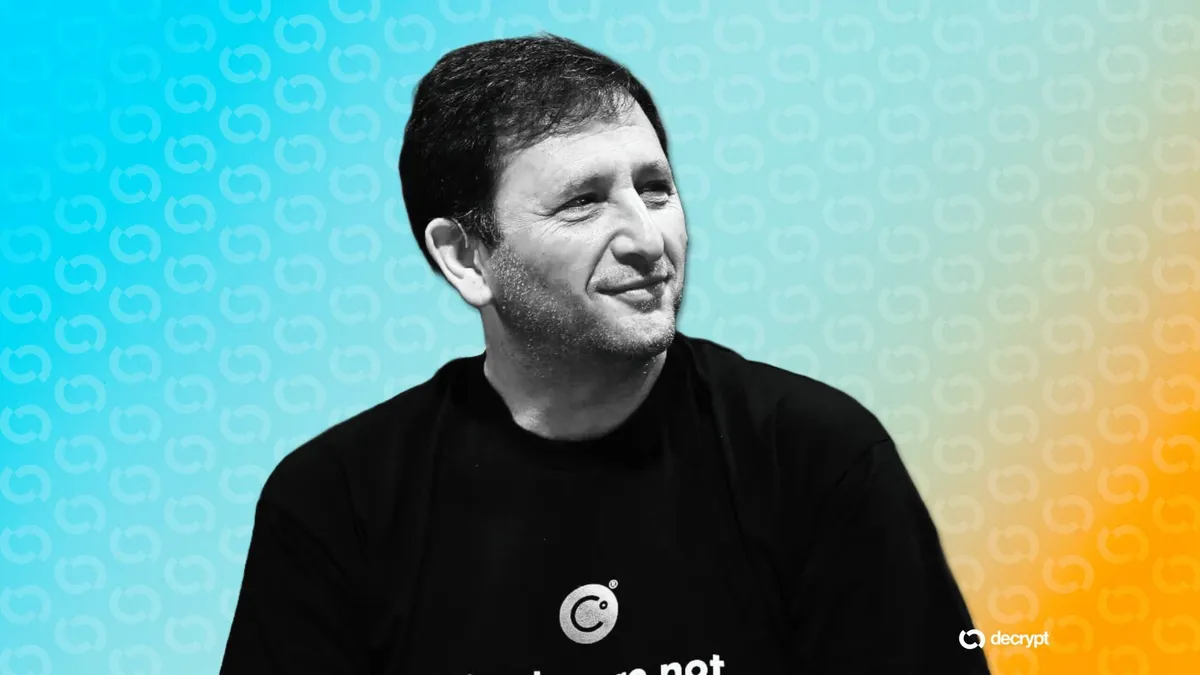
Alex Mashinsky, the founder and former CEO of the cryptocurrency lending platform Celsius, has filed a motion to have his 12-year prison sentence for fraud vacated. In his appeal, Mashinsky argues that a legal conflict related to the high-profile case of Sam Bankman-Fried, the founder of the now-defunct FTX exchange, warrants a reconsideration of his sentencing. The motion highlights alleged discrepancies in the legal proceedings that may have influenced the outcome of his case, suggesting that his rights were compromised in the process.
The background of this situation is crucial for understanding the potential implications of Mashinsky's appeal. Celsius, once a prominent player in the cryptocurrency lending space, filed for bankruptcy in 2022, which led to significant losses for its customers. Mashinsky was subsequently charged with fraud for misleading investors and mismanaging the company’s finances. The fallout from the collapse of Celsius has drawn parallels to other major events in the crypto industry, particularly the downfall of FTX and its founder Sam Bankman-Fried, who is currently facing similar legal troubles. Mashinsky's argument centers on the notion that the legal environment surrounding cryptocurrency has been tumultuous and inconsistent, particularly in the wake of high-profile cases.
This development is significant for the broader cryptocurrency market, as it reflects ongoing challenges within the industry regarding regulation and legal accountability. The outcomes of cases like Mashinsky's and Bankman-Fried's are likely to set precedents that could affect how regulators approach crypto companies in the future. If Mashinsky's appeal is successful, it may pave the way for other figures in the industry to contest their legal battles, potentially leading to a shift in how fraud cases in the crypto sector are adjudicated.
Industry experts have weighed in on the implications of Mashinsky's appeal. Some legal analysts argue that it could signal a growing trend where defendants in the crypto space seek to leverage connections to other high-profile cases to bolster their legal arguments. Others caution that the complexity of the legal landscape surrounding cryptocurrencies means that each case will likely be judged on its individual merits, regardless of the context provided by other cases. The sentiment among many in the industry appears to be one of cautious optimism, with some believing that a successful appeal might lead to greater scrutiny of the judicial processes governing crypto-related fraud.
Moving forward, the outcome of Mashinsky's appeal could have lasting effects on both his personal circumstances and the broader cryptocurrency market. Should his sentence be vacated, it may inspire similar actions from other individuals facing legal challenges in the industry. On the other hand, if the court upholds his sentence, it could reinforce the notion that the legal system is taking a firm stance on accountability within the crypto space. As the situation evolves, all eyes will be on the judiciary as it navigates the complex interplay of law and cryptocurrency.

CoinMagnetic Team
Crypto investors since 2017. We trade with our own money and test every exchange ourselves.
Updated: May 2026
From our insights:
Related news

Crypto firms put $206 million behind the midterms: here’s who their political machine is backing

Stand With Crypto’s 4 million registered advocates couldn’t get the CLARITY Act through the Senate

Kakao Pay, KakaoBank to explore stablecoin opportunities with Fireblocks

US Attorney's investigation into Binance focuses on Iran sanctions compliance

ECB initiates wholesale digital euro for banks and tokenized bond purchases