CBOE weighs converting BTC, ETH continuous futures into perpetual futures: Report

The Chicago Board Options Exchange (CBOE) is reportedly considering a significant overhaul of its futures offerings for Bitcoin (BTC) and Ethereum (ETH) by potentially converting its continuous futures contracts into perpetual futures. This move comes in response to the recent acceleration of regulatory changes in the U.S. that are fostering a more favorable landscape for cryptocurrency trading. As other key players in the market, such as Coinbase and Kalshi, expand their own futures products, CBOE appears eager to adapt and remain competitive in the rapidly evolving crypto ecosystem.
Historically, futures contracts have been a popular tool for traders looking to speculate on the price movements of cryptocurrencies. Continuous futures allow traders to hold contracts indefinitely, while perpetual futures offer the same benefits with the added flexibility of not having an expiration date. This shift towards perpetual futures could reflect a broader trend in the crypto market towards more flexible trading options. Regulatory changes in the U.S. have also played a crucial role, as they create an environment where more sophisticated trading products can flourish, catering to the growing interest from institutional investors.
The potential conversion of CBOE's BTC and ETH continuous futures into perpetual futures is significant for the market as it could enhance liquidity and attract a wider array of traders. Perpetual futures have gained popularity due to their appeal for day traders and those looking to hedge their positions without the constraints of traditional expiration dates. If CBOE successfully makes this transition, it could set a new standard for crypto futures and encourage other exchanges to follow suit, ultimately leading to increased trading volumes and overall market activity.
Industry reactions have been mixed, with some experts viewing this potential change as a positive development that aligns with market demands. Analysts point out that perpetual futures can provide greater opportunities for profit in a highly volatile market. However, there are also concerns regarding the risks associated with perpetual contracts, particularly in terms of margin requirements and liquidation risks. The balance between offering innovative products and ensuring adequate investor protection will be critical as CBOE navigates this transformation.
Looking ahead, the CBOE's decision will likely hinge on ongoing regulatory developments and the competitive landscape. If the transition to perpetual futures gains momentum, other exchanges may need to adapt quickly to stay relevant. As the crypto market continues to mature, we can expect to see more innovative products emerge, driven by both regulatory changes and the evolving needs of traders. The CBOE's move could be just the beginning of a new wave of trading options that reshape how cryptocurrencies are traded in the future.

CoinMagnetic Team
Crypto investors since 2017. We trade with our own money and test every exchange ourselves.
Updated: June 2026
From our insights:
Related news

Bitcoin's weekly close above $81,000 signals potential rise to $90,000

Elon Musk's X integrates bitcoin trading options for U.S. users
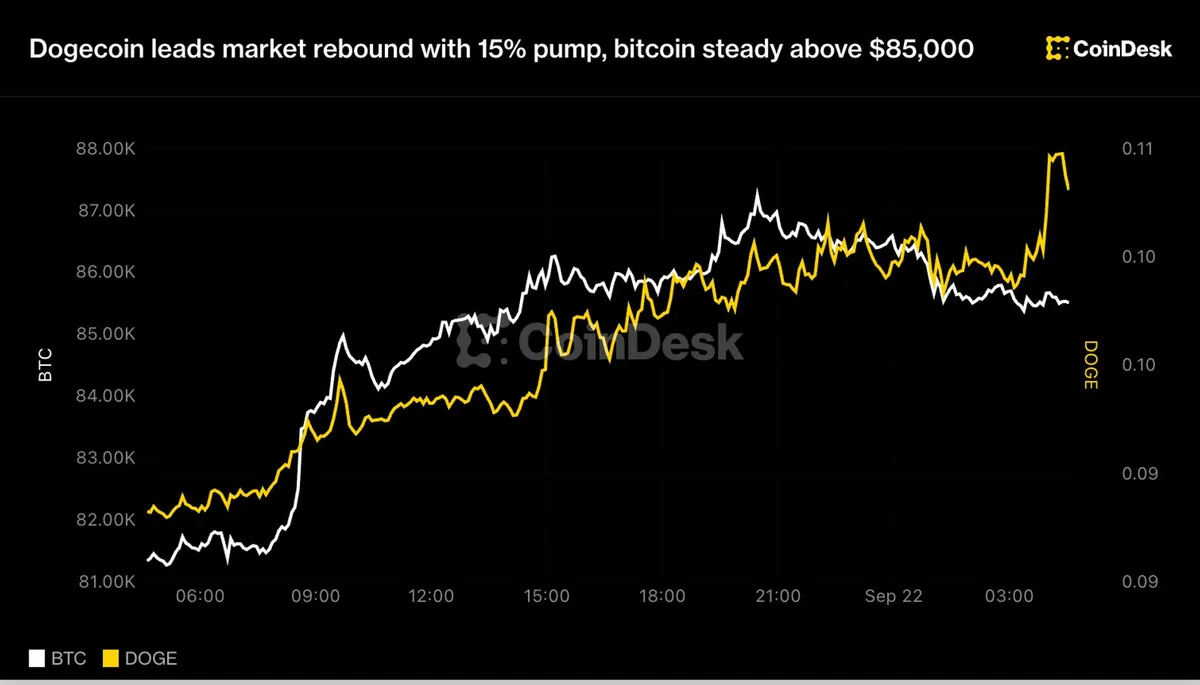
Dogecoin's 15% surge drives market recovery as bitcoin stabilizes above $85,000

Cardano adds tools for AI agent payments, joining Solana and XRP Ledger

Trueo prediction market moves from Base to Ethereum