Cardano wants in on the tokenized institutional vault race as DeFi’s retail focus fades

Cardano has recently announced its entry into the competitive landscape of tokenized institutional vaults, leveraging its partnership with Iagon and the technological prowess of Fireblocks. This initiative aims to create a robust infrastructure that caters to institutional investors by providing features such as policy-based approvals, granular access controls, and comprehensive audit trails. The Cardano Vault is designed to enhance operational continuity, particularly vital in environments where personnel changes are frequent. This strategic move reflects a broader trend where decentralized finance (DeFi) is increasingly pivoting towards institutional clients, seeking to bridge the gap between traditional finance and the crypto world.
Historically, DeFi has been primarily focused on retail investors, with platforms offering high yields and accessible financial products. However, as the space matures, there is a growing recognition of the need for institutional-grade solutions that meet regulatory standards and operational requirements. This shift is driven by increased interest from institutional players, who are looking for secure and compliant ways to engage with digital assets. Cardano's foray into this arena highlights its commitment to evolving its ecosystem and attracting institutional capital, which could significantly elevate its market position.
The implications of Cardano's initiative are substantial for the broader cryptocurrency market. As DeFi moves away from its retail-centric model, the introduction of institutional vaults could lead to increased capital inflows into the sector, enhancing liquidity and stability. This shift may also prompt other blockchain platforms to develop similar solutions, intensifying competition in the space. For Cardano, successfully capturing institutional interest could result in a stronger network effect and increased adoption of its native token, ADA, further solidifying its place in the market.
Industry experts have weighed in on Cardano's announcement, with many expressing optimism about the potential for institutional vaults to transform the DeFi landscape. Analysts note that the integration of advanced security measures and compliance protocols will likely appeal to institutional investors, who have often been hesitant to enter the crypto space due to regulatory concerns. Furthermore, the collaboration with established names like Fireblocks lends credibility to Cardano's efforts, suggesting that it is well-positioned to meet the demands of this new market segment.
Looking ahead, the success of Cardano's Vault will depend on its ability to effectively market its offerings to institutional clients and demonstrate the reliability of its infrastructure. As the DeFi sector continues to evolve, we can expect an ongoing race among blockchain platforms to innovate and capture market share in the tokenized institutional vault space. This competition will not only shape the future of DeFi but also redefine how capital is allocated within the crypto ecosystem, potentially leading to a more integrated and robust financial landscape.

CoinMagnetic Team
Crypto investors since 2017. We trade with our own money and test every exchange ourselves.
Updated: May 2026
From our insights:
Related news
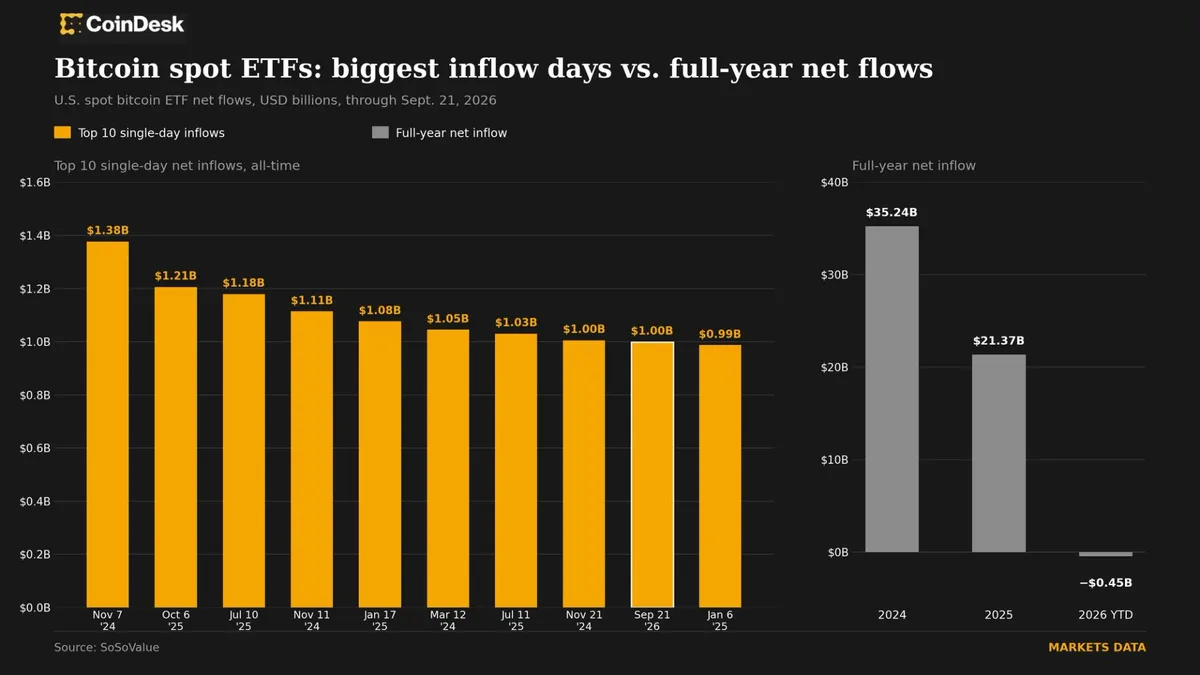
Spot bitcoin ETFs see nearly $1 billion inflow as bitcoin hits January highs

US spot Bitcoin ETFs see nearly $1 billion inflow, highest since October 2025

Bitcoin's rise to $86,000 restores profitability for ETF investors
Apple and Google seek crypto experts, signaling potential stablecoin initiatives

ECB initiates bond purchases using its own funds in crypto-linked system