Cardano’s May 29 hard fork vote brings ADA’s DeFi weakness into view

Cardano is set to implement its next hard fork, known as Protocol Version 11 or Van Rossem, following a vote scheduled for May 29. This update aims to enhance governance and improve the overall functionality of the network. Currently, the hard fork is already operational on the Preview testnet, allowing developers to test its features and functionality before the mainnet launch. As the crypto landscape evolves, it is becoming increasingly clear that investors are moving beyond mere promises of future upgrades and are seeking tangible results, particularly in decentralized finance (DeFi) applications. This shift in focus has brought Cardano's challenges in the DeFi space to the forefront, particularly as the price performance of ADA–Cardano's native token–has begun to closely correlate with actual developer activity and DeFi engagement on the platform.
To understand the significance of this hard fork, it's essential to consider Cardano's journey in the blockchain ecosystem. Launched in 2017, Cardano has positioned itself as a third-generation blockchain, promising scalability, interoperability, and sustainability. However, despite its ambitious roadmap and significant technological advancements, the platform has struggled to gain traction in the DeFi sector compared to competitors like Ethereum and Binance Smart Chain. This hard fork comes at a critical juncture, as the crypto market increasingly rewards blockchains that demonstrate real-world utility and active developer engagement rather than those that merely rely on lofty projections.
The upcoming hard fork and the surrounding vote are pivotal for Cardano's reputation and market performance. With the DeFi space rapidly evolving and attracting investor interest, Cardano's ability to demonstrate substantive growth in this area will be crucial for its long-term viability. As ADA's price movements start to reflect genuine developer activity and user engagement, the pressure is on Cardano to deliver results that can help it reclaim its position in the competitive landscape of decentralized finance. The implications of this hard fork could potentially influence investor sentiment and market trends in the near future.
Industry experts have expressed mixed feelings about Cardano's path ahead. Some believe that the hard fork could provide the necessary enhancements to attract more developers and users to its DeFi ecosystem. Others remain cautious, pointing out that Cardano still faces significant challenges in convincing investors of its capabilities in a space dominated by more established players. As the crypto community closely monitors the results of the May 29 vote and the subsequent integration of the hard fork, the responses from developers and users will play a significant role in shaping Cardano's future.
Looking ahead, the success of Protocol Version 11 will likely dictate Cardano's trajectory in the coming months. If the upgrade can facilitate a more robust DeFi environment and attract new projects, it could potentially revitalize interest in ADA and bolster its market position. Conversely, if the hard fork fails to deliver the anticipated improvements, it may exacerbate existing concerns about Cardano's competitiveness in the DeFi space. The outcome of the hard fork vote and its subsequent implementation will be critical as Cardano navigates a rapidly changing cryptocurrency landscape.

CoinMagnetic Team
Crypto investors since 2017. We trade with our own money and test every exchange ourselves.
Updated: May 2026
From our insights:
Related news
ZetaChain votes to shut down Layer 1 network and move ZETA to Solana
Solana reduces block times by 17% with latest upgrade, boosting transaction freshness

Optimism secures upgrade for Superchain to enable interoperability

Solana boosts transaction size by 3x amid surge in network activity
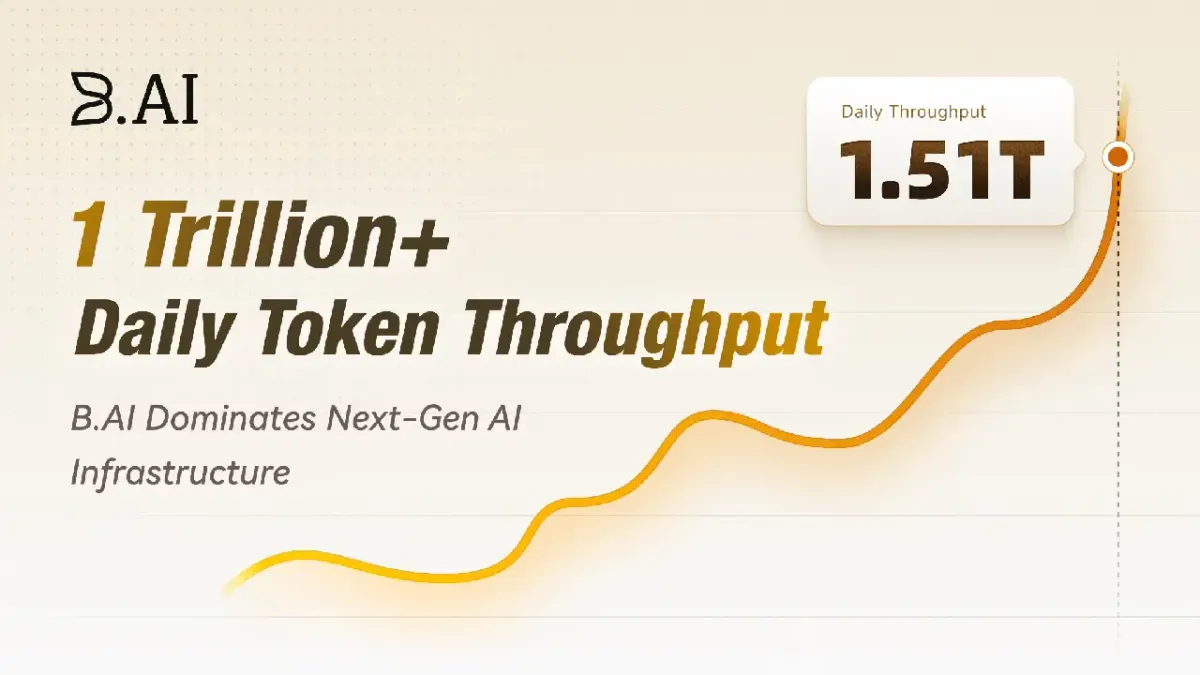
B.AI achieves record 1.51 trillion tokens daily throughput for AI infrastructure