Cardano’s Charles Hoskinson says the future of crypto wallets will be inside iPhones and Androids
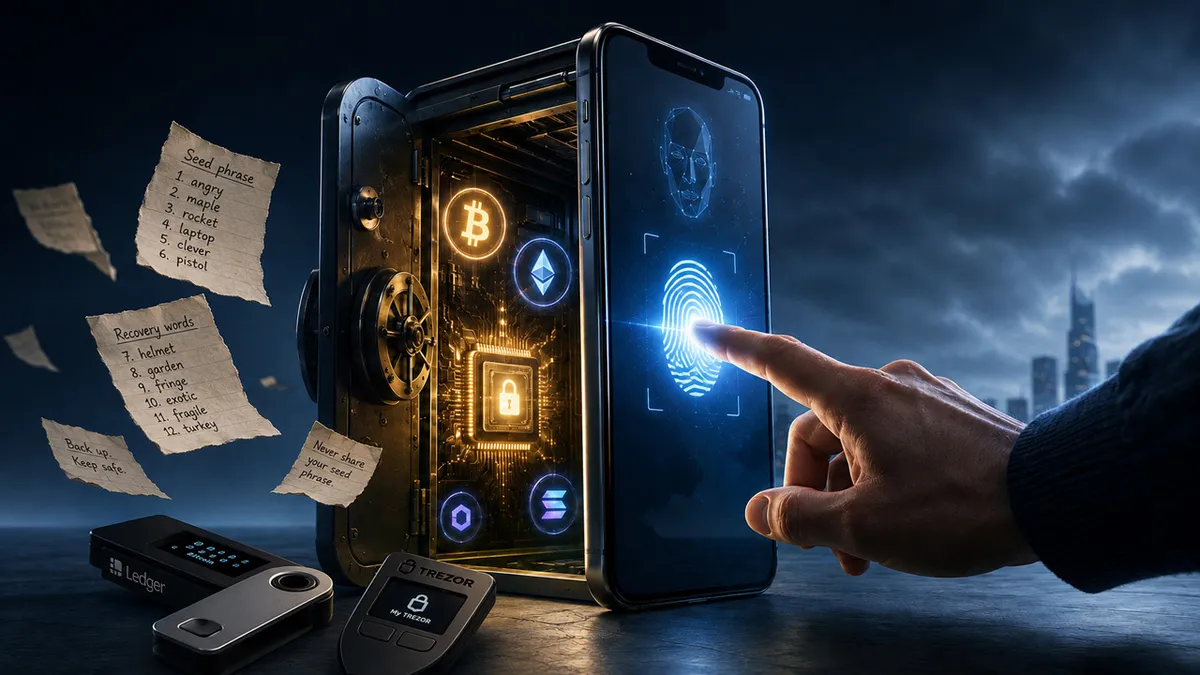
At Consensus 2026, Charles Hoskinson, the founder of Cardano, made headlines by proposing a significant shift in how cryptocurrency wallets could be managed in the future. He asserted that users should not directly handle their private keys, suggesting instead that these keys should be entrusted to secure chips embedded in smartphones like iPhones and Android devices. The crux of his argument is that the security mechanisms built into these widely-used smartphones surpass those found in traditional hardware wallets such as Ledger and Trezor. This perspective challenges conventional wisdom in the crypto community, where self-custody of private keys has long been deemed essential for safeguarding assets.
To understand the implications of Hoskinson's statements, it's important to consider the ongoing evolution of cryptocurrency usage and the increasing push towards accessibility. As cryptocurrencies become more mainstream, there is a growing need for user-friendly solutions that cater to non-technical users. The integration of cryptocurrency wallets into existing mobile devices could simplify the onboarding process for new users and facilitate everyday transactions. Hoskinson's vision reflects a trend where convenience and security can coexist, potentially attracting a broader audience to the crypto space.
This shift in wallet management could have far-reaching implications for the market. If secure chips in smartphones can adequately protect private keys, it may lead to a decrease in hardware wallet sales while simultaneously increasing the adoption of cryptocurrencies among casual users. The idea that users would rely on their smartphones for security could also spur innovation in mobile wallet applications, leading to a new wave of features that enhance user experience. Additionally, the notion of moving private keys away from the user could influence regulatory discussions around digital asset custody, as it raises questions about responsibility and liability.
Industry reactions to Hoskinson's comments are mixed. Many in the crypto community appreciate the potential for increased accessibility but remain cautious about the risks of centralizing private key management in devices controlled by tech companies. Experts emphasize the need for robust security measures and express concern over potential vulnerabilities that could arise from such a model. Some advocates for self-custody argue that relinquishing control over private keys could expose users to risks associated with hacking or device loss.
Looking ahead, the conversation around wallet management is likely to intensify. As smartphone manufacturers and software developers explore ways to integrate cryptocurrency functionalities more deeply into their devices, we may see new standards emerge that prioritize both security and usability. The industry will need to navigate these discussions carefully, balancing innovation with the foundational principles of decentralization and user control. As Hoskinson's vision unfolds, it will be interesting to see how the landscape of crypto wallets evolves and what new solutions arise to meet the demands of a growing user base.

CoinMagnetic Team
Crypto investors since 2017. We trade with our own money and test every exchange ourselves.
Updated: May 2026
From our insights:
Related news
ECB and EU central banks propose liquidity thresholds for stablecoins
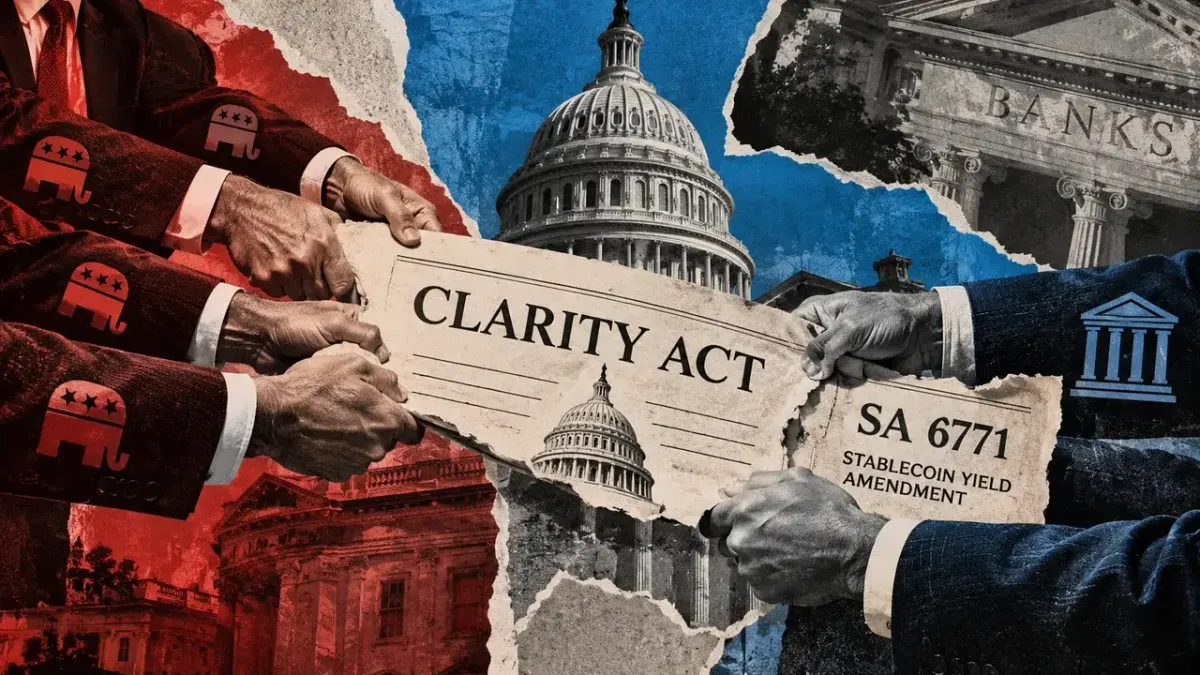
Four GOP senators backing CLARITY Act seek changes to stablecoin provisions
US investigates Binance for potential Iran-linked trading violations

Crypto sector emerges as top donor with $206 million in midterms backing
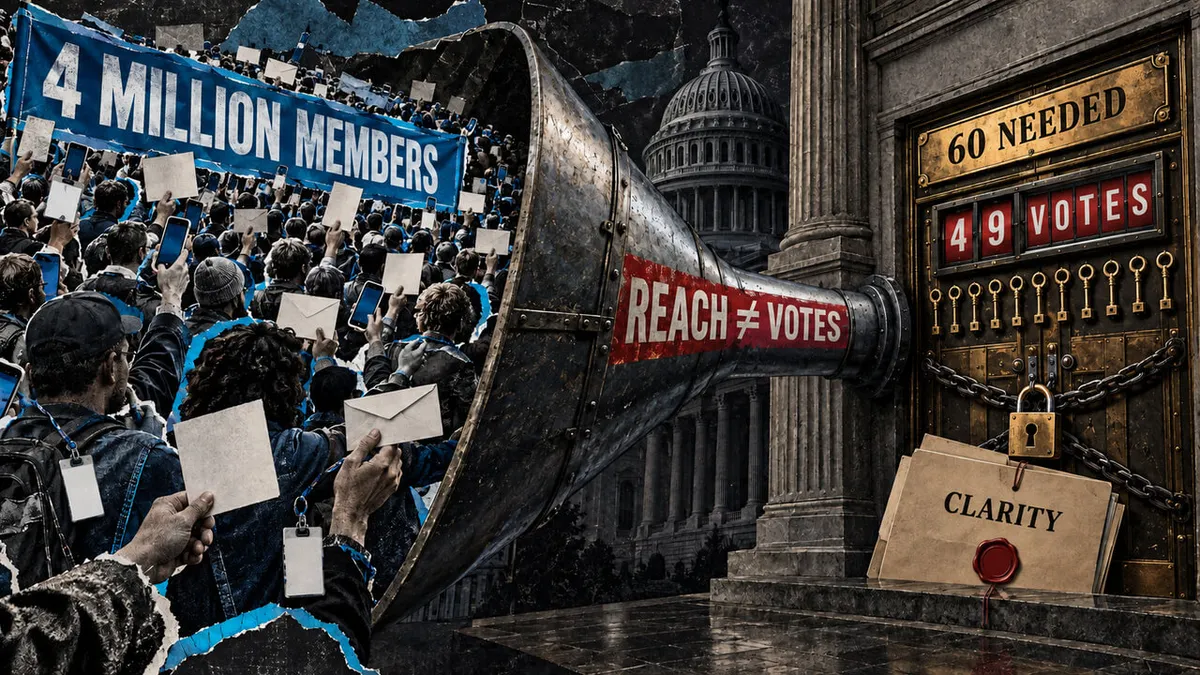
Stand With Crypto’s 4 million registered advocates couldn’t get the CLARITY Act through the Senate