Cardano founder floats splitting his own blockchain after warning more apps will die
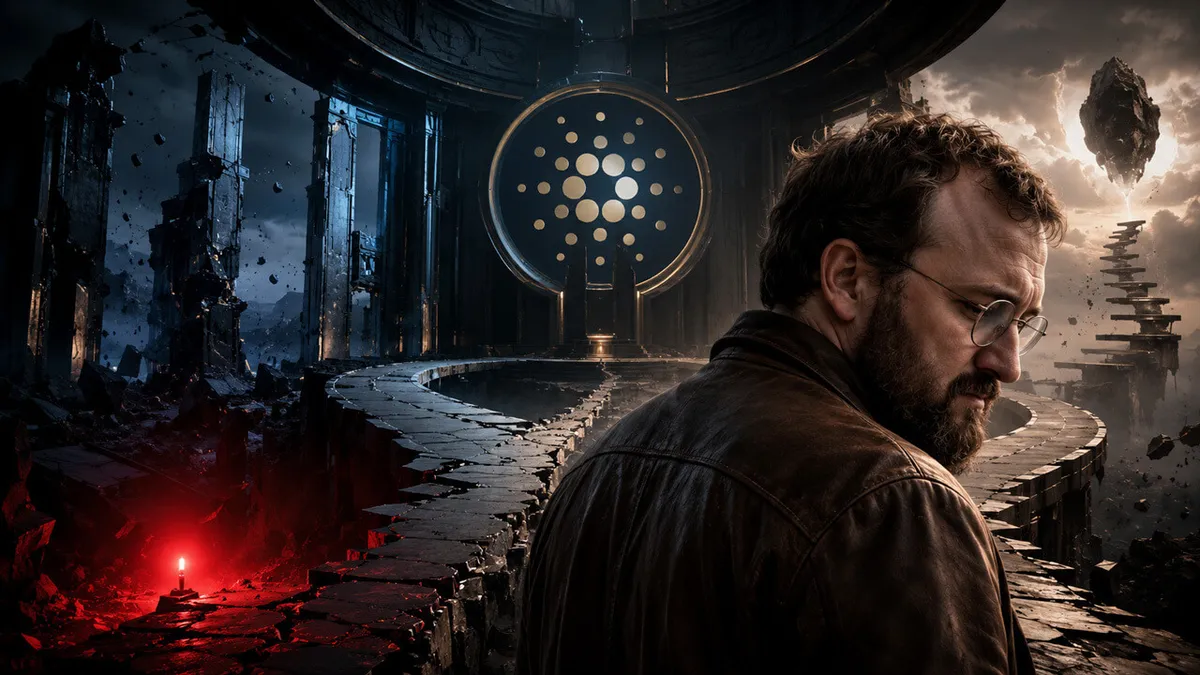
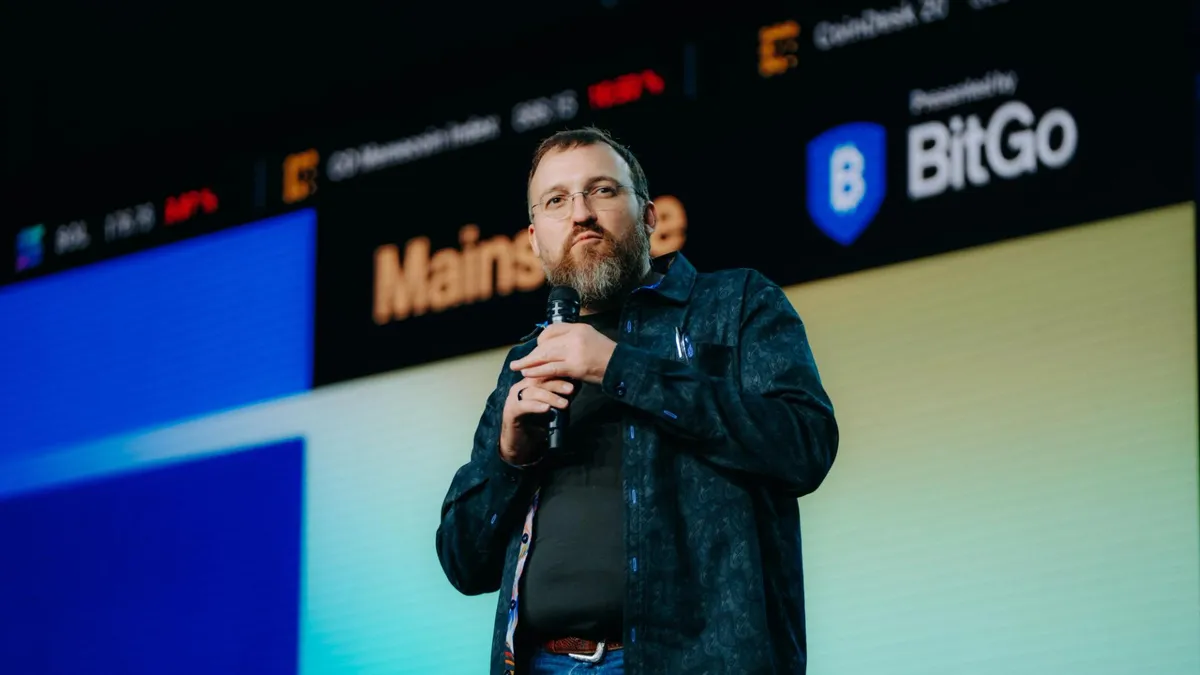
Charles Hoskinson, the founder of Cardano, has recently proposed a controversial idea that could reshape the future of the blockchain ecosystem. In light of the recent collapse of one of Cardano's notable ecosystem tools, Hoskinson suggested the possibility of splitting the blockchain as a means to address underlying issues related to governance and funding. By referring to this potential move as a “nuclear option,” he emphasized the seriousness of the situation, which has raised concerns about the viability of applications and projects built on the Cardano network.
To understand the context of Hoskinson's remarks, it is essential to consider the challenges facing Cardano over the past few months. The blockchain has been praised for its innovative technology and commitment to a scalable future, yet it has also faced scrutiny regarding its governance model and the sustainability of its ecosystem. The recent collapse of a significant tool within Cardano has brought these issues to the forefront, highlighting the contentious debates surrounding financial resources and the power dynamics that influence which projects thrive or fail on the platform.
This proposed split, if pursued, could have significant implications for the market. It raises questions about the direction of Cardano and whether such a move would lead to enhanced innovation or further fragmentation within the ecosystem. For investors and developers, clarity on governance and funding mechanisms is crucial, as uncertainty can lead to hesitance in building or investing in projects that rely on the platform. The market’s reaction to Hoskinson's comments may influence investor sentiment, as stakeholders assess the potential risks and rewards associated with a divided Cardano.
Industry experts have had mixed reactions to Hoskinson's proposal. Some view it as an acknowledgment of the pressing issues within the Cardano ecosystem, suggesting that a split could provide a fresh start and empower new projects to flourish without the burden of existing governance constraints. Others, however, express concern that such a drastic measure could further complicate the landscape and deter developers from engaging with Cardano altogether. The ongoing discourse around these developments reflects broader themes of governance and sustainability within the crypto space, resonating with many projects facing similar challenges.
As we look ahead, the future of Cardano remains uncertain. Hoskinson's proposal may prompt further discussions among community members and stakeholders on the best path forward for the network. If a split is pursued, it will undoubtedly require careful planning and consensus-building to ensure that it serves the best interests of the community. For now, the industry will be watching closely to see how these tensions unfold and whether Cardano can navigate this pivotal moment effectively.

CoinMagnetic Team
Crypto investors since 2017. We trade with our own money and test every exchange ourselves.
Updated: June 2026
From our insights:
Related news
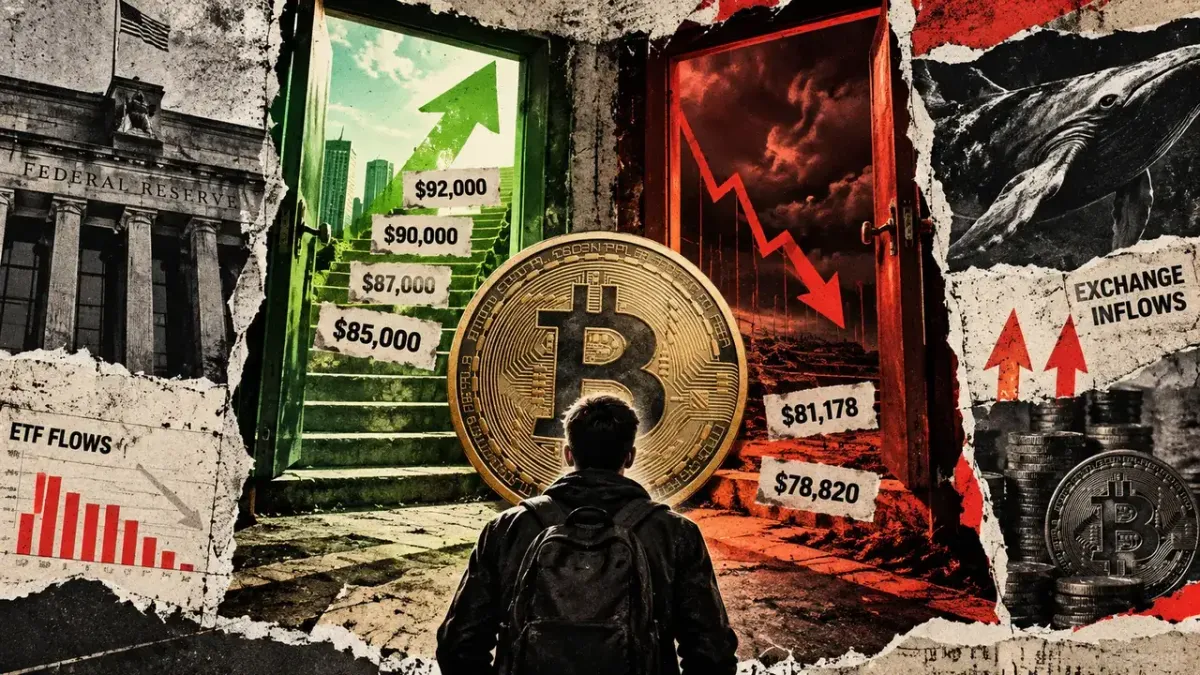
Bitcoin's weekly close above $81,000 signals potential rise to $90,000
Elon Musk's X integrates bitcoin trading options for U.S. users
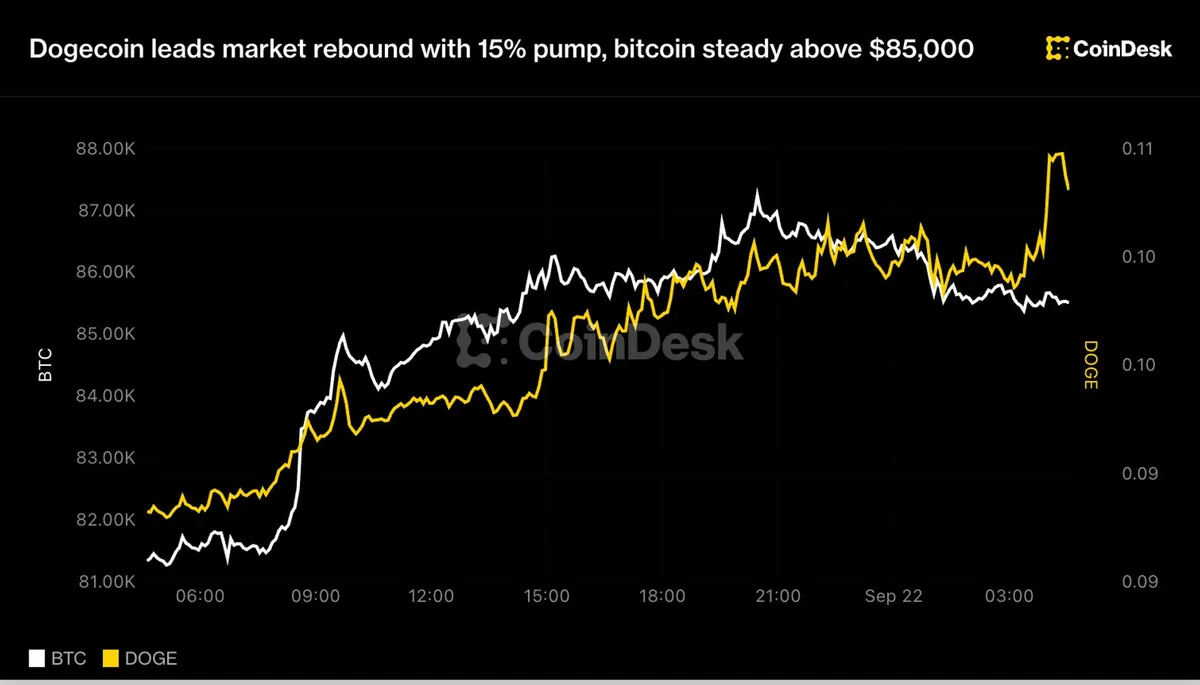
Dogecoin's 15% surge drives market recovery as bitcoin stabilizes above $85,000
Cardano adds tools for AI agent payments, joining Solana and XRP Ledger
Trueo prediction market moves from Base to Ethereum