Canadian PM Urges AI Diversification After US Anthropic Block, Decentralized AI Tokens Rally

In light of recent developments in the artificial intelligence sector, Canadian Prime Minister Mark Carney has called for diversification in AI technologies following the U.S. decision to temporarily pull Anthropic's leading models offline. Carney emphasized the risks associated with relying on a limited number of AI providers, suggesting that this situation could have significant implications for innovation and competition. The Canadian government is now actively exploring ways to enhance its own AI capabilities, encouraging investment in decentralized AI tokens, which have seen a notable rally in response to these events.
Historically, the dominance of a few key players in the AI space has led to concerns about monopolistic practices and the potential for systemic vulnerabilities. With the U.S. government's actions against Anthropic, a company that has emerged as a significant player in AI development, the conversation around the need for a more decentralized approach has gained traction. Prime Minister Carney's remarks reflect a broader sentiment among policymakers who are increasingly wary of the concentration of power within a handful of tech giants. The Canadian government is positioning itself as a leader in promoting a diverse AI ecosystem that can mitigate such risks.
The implications of this shift are significant for the broader market. As decentralized AI tokens gain traction, investors may be more inclined to explore opportunities in this space, recognizing the potential for growth outside of traditional centralized models. The rally of these tokens signals a burgeoning interest among investors who are now more aware of the vulnerabilities that can arise from heavy reliance on singular providers. This diversification could lead to increased competition and innovation within the sector, ultimately benefiting consumers and businesses alike.
Industry experts have weighed in on the potential impact of Carney's statements and the U.S. government's actions. Many see this as a wake-up call for both governments and companies to invest in alternative AI solutions that can foster innovation while reducing risks associated with centralization. Some analysts argue that a diversified AI landscape could lead to more ethical and responsible AI development, as numerous players contribute to the ecosystem. However, there remain concerns about the regulatory challenges and potential hurdles that decentralized models may face in gaining mainstream acceptance.
Looking ahead, the Canadian government's commitment to fostering a diverse AI ecosystem could set a precedent for other nations grappling with similar issues. By prioritizing investment in decentralized technologies, Canada may pave the way for a new era of innovation in the AI space. As the market responds to these developments, we will continue to monitor how these dynamics evolve and what new opportunities may arise for investors and companies alike.

CoinMagnetic Team
Crypto investors since 2017. We trade with our own money and test every exchange ourselves.
Updated: June 2026
From our insights:
Related news

Bitcoin's weekly close above $81,000 signals potential rise to $90,000

Elon Musk's X integrates bitcoin trading options for U.S. users
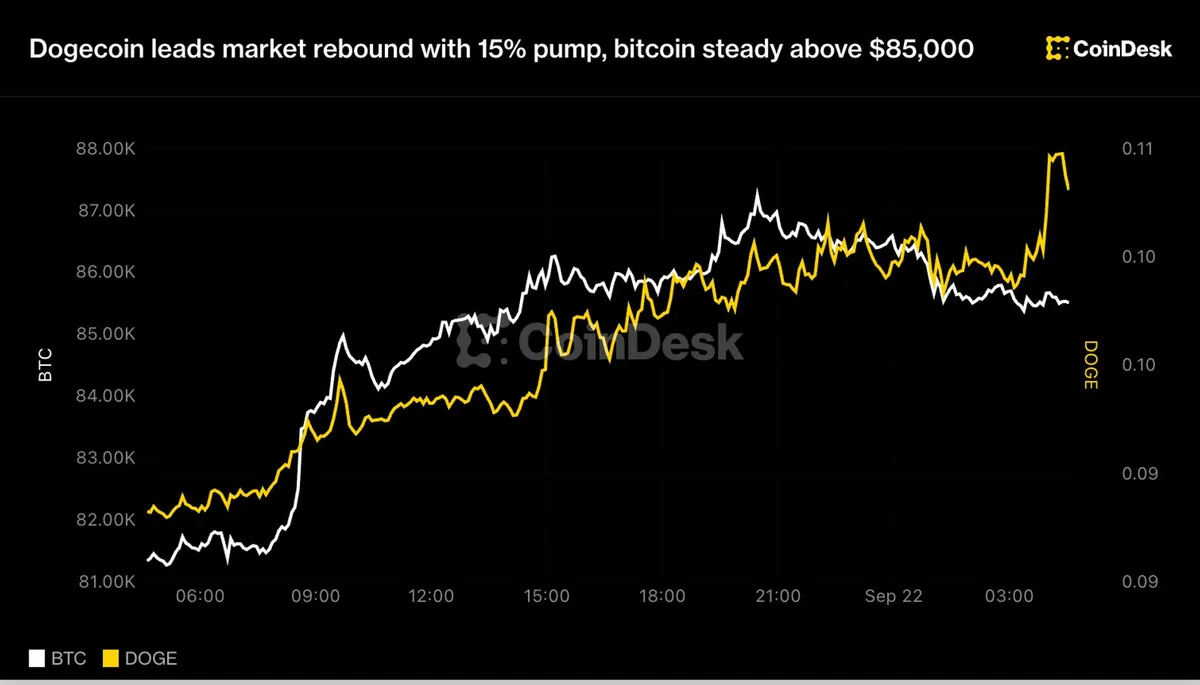
Dogecoin's 15% surge drives market recovery as bitcoin stabilizes above $85,000

Cardano adds tools for AI agent payments, joining Solana and XRP Ledger

Trueo prediction market moves from Base to Ethereum