ByteDance and Alibaba to Pull Agent Features as China Cracks Down on Humanlike AI
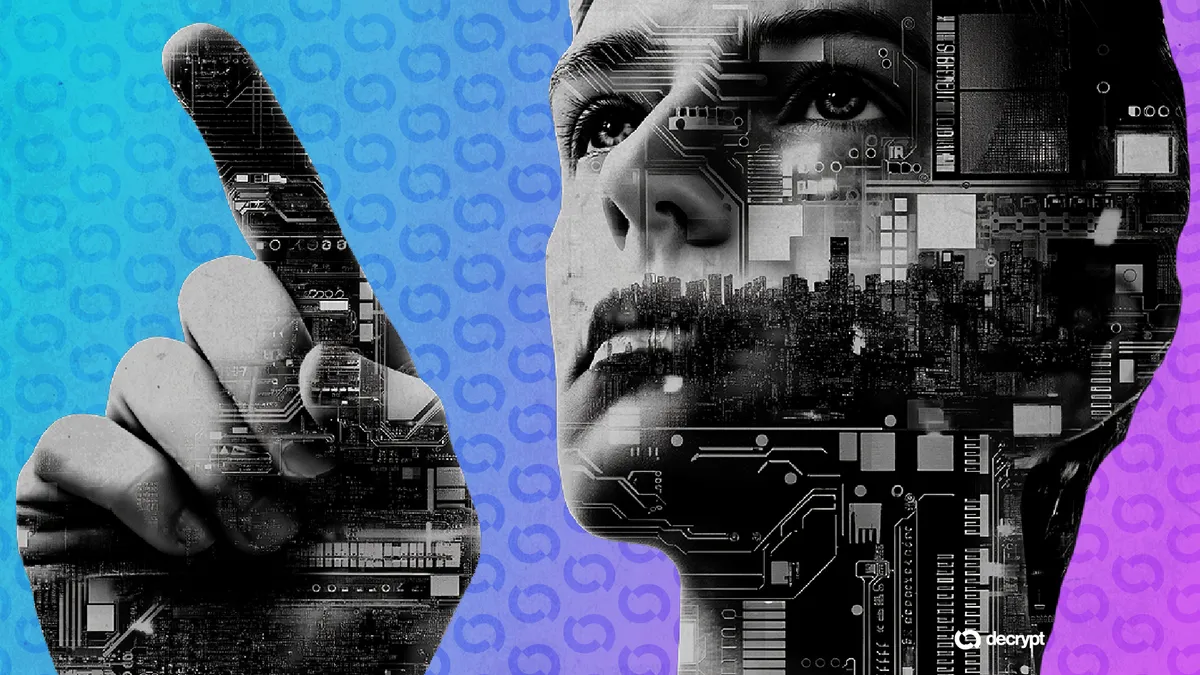
In a significant move reflecting the tightening grip of Chinese regulators on artificial intelligence, ByteDance and Alibaba have announced that they will be discontinuing features related to humanlike AI agents. This decision comes in response to new regulations introduced by Beijing, which specifically target emotional AI technologies. These rules aim to curb the potential misuse of AI that can emulate human emotions, raise ethical concerns, and impact social interactions. The companies, known for their popular platforms TikTok and Taobao respectively, are now tasked with navigating a rapidly changing regulatory landscape that prioritizes safety and ethical considerations over innovation in AI.
The backdrop to this development is the Chinese government's increasing scrutiny over technology and data privacy. Over the past few years, there has been a growing concern about the implications of AI technologies that mimic human behavior, particularly regarding manipulation and misinformation. The introduction of regulations specifically aimed at emotional AI signifies a proactive approach by the Chinese authorities to address these concerns before they escalate. This regulatory framework is part of a broader trend in China, reflecting a shift towards more stringent oversight of the tech industry, especially in areas that intersect with public sentiment and social stability.
This regulatory change is crucial for the market as it signals a potential slowdown in the development of AI technologies that can engage users on a more personal and emotional level. For companies like ByteDance and Alibaba, which have heavily invested in AI capabilities to enhance user engagement, this could mean significant alterations to their business strategies. The withdrawal of humanlike agent features may lead to a re-evaluation of their product offerings and could also impact user experience, as these technologies have been designed to create more interactive and personalized interactions. Investors and industry stakeholders will be closely monitoring how these changes affect user engagement metrics and overall company performance.
Industry experts have expressed a mix of concern and understanding regarding the implications of these regulations. Some believe that while the crackdown may stifle innovation in the short term, it is a necessary step to ensure ethical standards in AI development. Others argue that the restrictions could drive talent and investment away from China's AI sector, pushing companies to explore opportunities in more lenient markets. The overall sentiment appears to be that while regulation is essential for protecting consumers, it must be balanced with fostering an environment conducive to technological advancement.
Looking ahead, the next steps for ByteDance and Alibaba will involve re-strategizing their AI offerings in compliance with the new rules. As they navigate this evolving landscape, it will be interesting to see how these companies adapt their technologies and whether they will seek to innovate within the confines of the new regulations. Additionally, this situation could prompt other tech firms operating in China to reassess their AI strategies, leading to a broader industry shift as companies aim to align with governmental expectations while still pursuing growth and innovation.

CoinMagnetic Team
Crypto investors since 2017. We trade with our own money and test every exchange ourselves.
Updated: July 2026
From our insights:
Related news

Greenfield Capital seeks Swiss regulator intervention in Safe Ecosystem board dispute

Crypto firms face challenge of user retention after years of product development

Japan imposes sanctions on Garantex for aiding Russia's financial evasion

Crypto job postings triple to over 1,200 in September, but applications fall

AI agents' spending habits require investor attention, says Cathie Wood