Buterin fires back at Ethereum Foundation critics, recommits to neutrality

Vitalik Buterin, the co-founder of Ethereum, recently addressed criticisms aimed at the Ethereum Foundation, particularly concerning its perceived influence and holdings within the ecosystem. In a detailed response, Buterin emphasized that the foundation holds less than 1% of the total ETH supply, which starkly contrasts with other blockchain protocols where foundations often retain between 10% to 50% of their tokens. This assertion aims to clarify the Foundation’s commitment to decentralization and its role in fostering a fair ecosystem.
The Ethereum Foundation has faced scrutiny over the years, especially as the cryptocurrency landscape has evolved and various projects have emerged, each with its own governance models. Critics argue that centralized control can lead to conflicts of interest and undermine the principles of decentralization that many in the crypto community hold dear. Buterin’s comments come at a time when the community is increasingly vigilant about the distribution of power and resources within blockchain networks, a topic that has sparked intense debate and discussion.
This clarification from Buterin is significant for the market as it highlights the ongoing efforts by Ethereum to maintain its decentralized ethos, particularly in light of the recent rise of governance tokens and centralized finance solutions. Investors and stakeholders may view this commitment as a stabilizing factor, potentially enhancing confidence in Ethereum's long-term viability. By addressing these concerns directly, Buterin reinforces Ethereum's position as a leader in the crypto space, promoting transparency and accountability in the management of its protocol.
Reactions from the crypto industry have been mixed, with some experts supporting Buterin's stance while others remain skeptical about the implications of having any foundation hold even a fraction of the total supply. Supporters argue that the Ethereum Foundation's limited holdings demonstrate responsible stewardship, while detractors suggest that any centralization–no matter how small–can lead to undue influence. This ongoing discourse underscores the complexities of governance in decentralized networks and the varying perspectives within the community.
Looking ahead, it will be crucial for the Ethereum Foundation and its leadership to maintain open lines of communication with the community, especially as Ethereum continues to evolve with upcoming upgrades and proposals. As the ecosystem grows and matures, establishing trust and transparency will be vital for navigating future challenges and ensuring that Ethereum remains a robust platform for innovation. The focus on decentralization is likely to persist as a key theme in discussions surrounding Ethereum and similar protocols, paving the way for ongoing debates about governance and community involvement.

CoinMagnetic Team
Crypto investors since 2017. We trade with our own money and test every exchange ourselves.
Updated: May 2026
From our insights:
Related news

Bitcoin's weekly close above $81,000 signals potential rise to $90,000

Elon Musk's X integrates bitcoin trading options for U.S. users
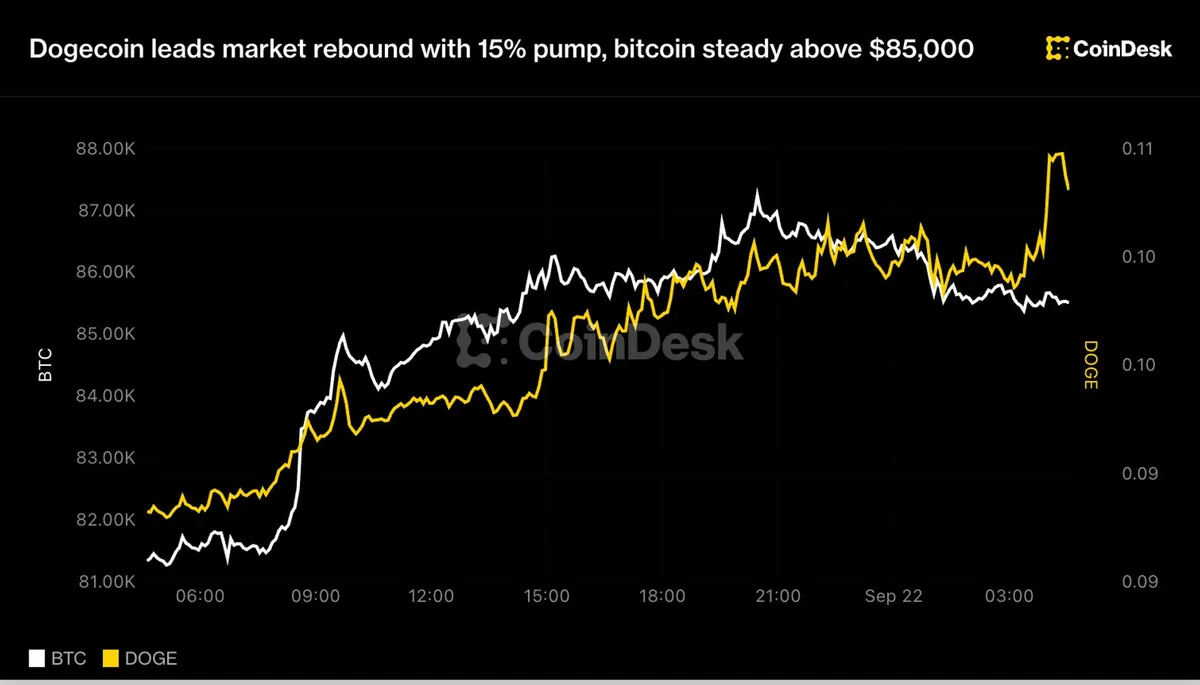
Dogecoin's 15% surge drives market recovery as bitcoin stabilizes above $85,000

Cardano adds tools for AI agent payments, joining Solana and XRP Ledger

Trueo prediction market moves from Base to Ethereum