Institutions face greater challenges than individuals in crypto custody upgrades

The ongoing conversation in the cryptocurrency community has recently shifted towards the implications of emerging technologies such as artificial intelligence (AI) and quantum computing on wallet security. As the debate intensifies, individual crypto holders are contemplating the merits of moving their funds in anticipation of potential vulnerabilities these technologies may introduce. However, the real challenge lies with institutional custody firms, which must not only safeguard assets but also consider the urgent need to upgrade their systems to mitigate risks before a possible crisis forces an emergency migration of funds.
In the context of these advancements, the crypto landscape is evolving rapidly. The potential capabilities of AI and quantum computing could render current encryption methods obsolete, posing significant threats to the security of digital assets. While individual holders can make personal decisions regarding their wallets, institutions are tasked with the complexities of maintaining and upgrading entire systems that manage vast amounts of assets on behalf of clients. This dual responsibility adds layers of urgency and complexity to their operations.
This issue is particularly important for the market as it highlights the vulnerabilities that exist within the custody solutions offered by institutions. If these firms fail to upgrade their systems in a timely manner, they risk exposing client assets to potential breaches. A lack of preparedness could lead to increased volatility in the market, as institutional investors may withdraw their assets in fear of security lapses. The confidence of institutional investors is crucial for the maturation of the crypto market, and any missteps could have wider implications.
Industry experts have begun to voice their concerns about this disparity in preparedness. Many emphasize that institutions must prioritize proactive measures to enhance their security protocols and invest in technologies that can withstand the challenges posed by AI and quantum computing. The consensus among professionals is that a failure to act could lead to a loss of client trust and a potential exodus of institutional capital from the crypto market.
Looking ahead, it remains to be seen how institutions will navigate this critical juncture. As discussions continue, it is likely that we will see an increased emphasis on collaboration between technology developers and custodial services to create robust solutions. The future of crypto custody will hinge on the ability of these firms to adapt their systems in line with emerging threats, ensuring that both institutional and individual holders feel secure in their investments.

CoinMagnetic Team
Crypto investors since 2017. We trade with our own money and test every exchange ourselves.
Updated: October 2026
From our insights:
Related news

Fidelity's digital asset strategist emphasizes shift to tokenized onchain future
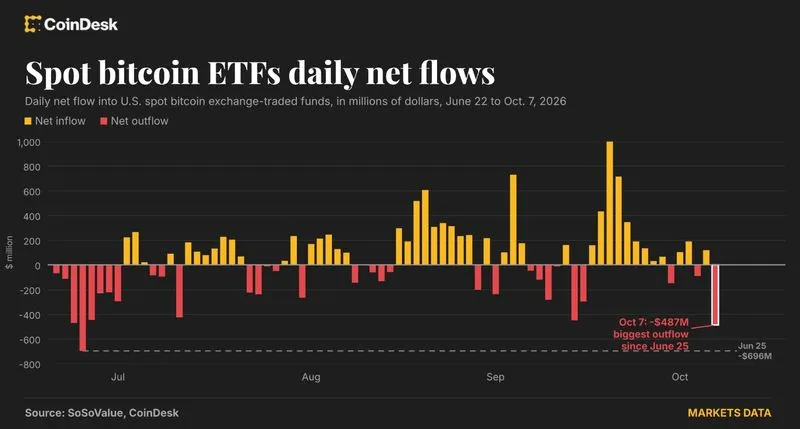
Massive sell-off sees Bitcoin ETF investors rushing for the exit

Bitcoin ETFs experience $485 million outflow, reversing October gains

Ripple's $1.25 billion Hidden Road acquisition enhances stock trading leverage

Moody's assigns Sky Protocol a B3 rating amid rising USDS interest