British Teen Sanctioned By Russia After Alleging Crypto Use to Evade Sanctions
We recently learned that a British teenager has been sanctioned by Russia after conducting research that alleged the country's use of cryptocurrency to evade international sanctions. This teenager, whose work drew attention for its claims about the flow of illicit funds through digital currencies, is now on a list of individuals barred from entering Russia. The sanctions appear to be a direct response to his investigative efforts, signaling Moscow's sensitivity to claims involving its financial operations and the broader implications of cryptocurrency as a tool for circumventing regulatory measures.
This incident occurs in a broader context marked by increasing scrutiny on the role of cryptocurrencies in international finance, particularly in relation to sanctions. Following the geopolitical tensions exacerbated by the conflict in Ukraine, countries like the United States and members of the European Union have ramped up their sanctions against Russia. Cryptocurrencies, while often celebrated for their potential to promote financial freedom, have also raised concerns among regulators about their use in illicit activities, including evading such sanctions. The teenager's research is emblematic of the growing focus on how digital currencies could potentially undermine these economic measures.
The repercussions of this situation extend beyond the individual involved; they reflect a larger trend in the market where cryptocurrencies are viewed with increasing suspicion by state actors. This incident could have ramifications for how crypto exchanges and financial institutions engage with compliance measures. If governments perceive cryptocurrencies as tools for evasion, they may implement stricter regulations that could impact market liquidity and investor confidence. The reaction of the crypto market to such news can often be immediate, influencing trading patterns as investors reassess the legal landscape surrounding digital assets.
Industry experts have expressed mixed feelings about the incident. Some believe that the teenager's work highlights the need for greater transparency and regulation within the cryptocurrency space, which could ultimately foster a more stable market environment. Others argue that the sanctions are an overreach and could stifle legitimate research and discourse surrounding the use of cryptocurrencies. This divergence of opinion underscores the tension between innovation and regulation in the rapidly evolving crypto industry.
Looking ahead, it remains to be seen how this incident will affect the ongoing discourse around cryptocurrency regulations globally. The teenager's experience may encourage further research into the relationship between digital currencies and state sanctions, prompting more rigorous analysis from financial watchdogs and policymakers. Additionally, it could lead to a tightening of regulations in various jurisdictions as governments strive to balance the benefits of innovation with the need to uphold international laws and standards. As the landscape evolves, we will continue to monitor the situation and its potential implications for the crypto market.

CoinMagnetic Team
Crypto investors since 2017. We trade with our own money and test every exchange ourselves.
Updated: June 2026
From our insights:
Related news

SoFi begins stablecoin settlement on Mastercard network for program expected to exceed $25 billion in annualized volume
A $3.2 million 'bitcoin butterfly' option trade bets on $95,000 by the end of October
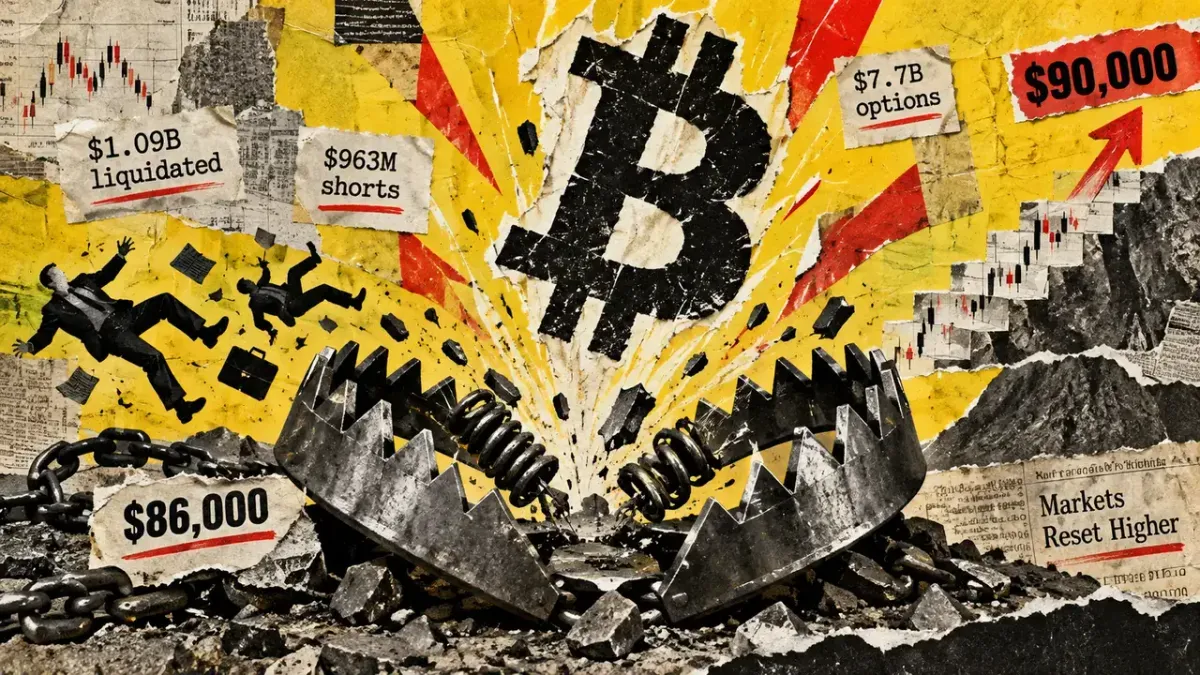
Bitcoin surges past $86,000 as $1 billion in shorts are liquidated, eyes on $90,000
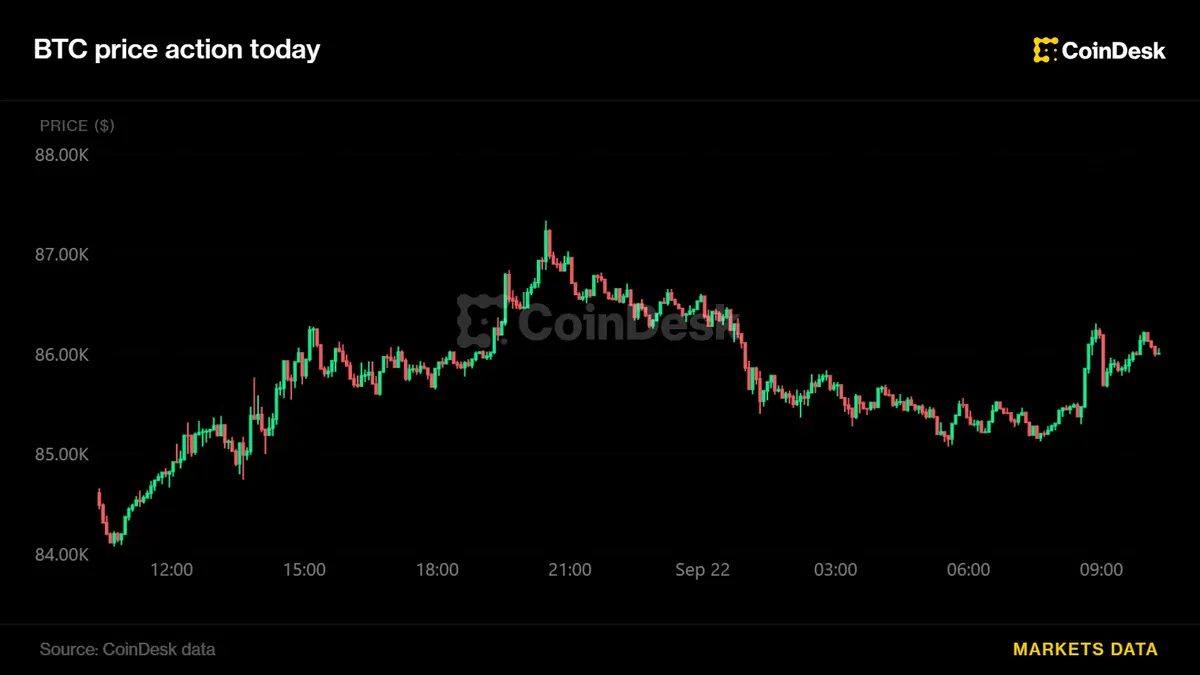
Bitcoin bounces back to $86,000 as oil prices decline and stocks rise

Prediction markets projected to reach $10 trillion by 2035, surpassing sports