Bittensor breakout fuels AI token rally as distributed training gains credibility

The recent surge in the price of TAO, the native token of the Bittensor network, has caught the attention of the crypto community as it nearly doubled in March. This impressive rally is largely attributed to the growing recognition of Bittensor's potential in revolutionizing artificial intelligence (AI) through its unique approach to distributed training. By enabling decentralized networks to collaboratively train AI models, Bittensor is positioning itself as a frontrunner in a rapidly evolving landscape, where efficiency and scalability are paramount. As the market begins to understand the implications of this technology, interest in TAO has surged, leading to a significant uptick in its value.
To appreciate the current excitement surrounding Bittensor and TAO, it is essential to consider the context behind this innovation. Bittensor emerged as a decentralized platform that seeks to redefine how AI models are trained by leveraging distributed blockchain technology. Unlike traditional AI training, which often requires centralized servers and significant computing resources, Bittensor allows individuals to contribute their computational power to a collective effort. This shift not only enhances the training process but also democratizes access to AI development, making it more inclusive and efficient.
The implications of Bittensor's breakthrough are profound for the broader cryptocurrency market. As the AI sector continues to gain traction, projects that integrate blockchain technology with AI functionalities may see increased investment and adoption. The positive sentiment around TAO’s recent price movement suggests that investors are increasingly looking for opportunities at the intersection of these two innovative fields. This rally could spark further interest in similar projects, leading to a wave of investments that could reshape the market landscape.
Industry experts have weighed in on the potential of Bittensor and the recent surge in TAO's value. Many analysts believe that the increasing credibility of distributed training models, as evidenced by Bittensor's successes, signals a shift in how AI solutions will be developed in the future. Some commentators have highlighted that this could lead to a more collaborative environment in AI research and development, with the potential for more breakthrough innovations. Additionally, the influx of capital into the TAO ecosystem could attract other players in the space, further validating the model and encouraging competition.
Looking ahead, the trajectory of Bittensor and TAO will be closely monitored by investors and industry participants alike. As the platform continues to evolve and expand its capabilities, it will be crucial for Bittensor to maintain momentum and deliver on its promises of distributed AI training. The ongoing development of partnerships and real-world applications will also play a significant role in sustaining interest in the project. If Bittensor successfully demonstrates its value proposition, we might witness a broader shift toward decentralized AI solutions, paving the way for a new era in both the crypto and AI sectors.

CoinMagnetic Team
Crypto investors since 2017. We trade with our own money and test every exchange ourselves.
Updated: April 2026
From our insights:
Related news

SoFi begins stablecoin settlement on Mastercard network for program expected to exceed $25 billion in annualized volume
A $3.2 million 'bitcoin butterfly' option trade bets on $95,000 by the end of October

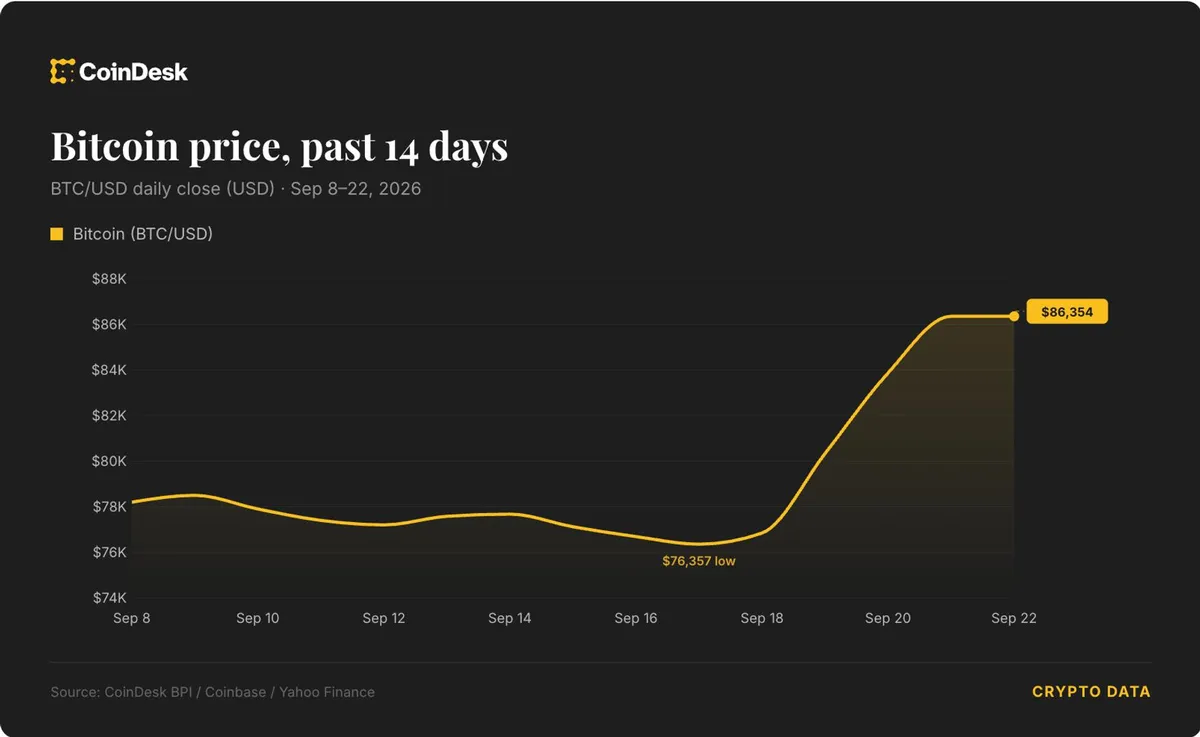
Bitcoin surges past $86,000 as $1 billion in shorts are liquidated, eyes on $90,000
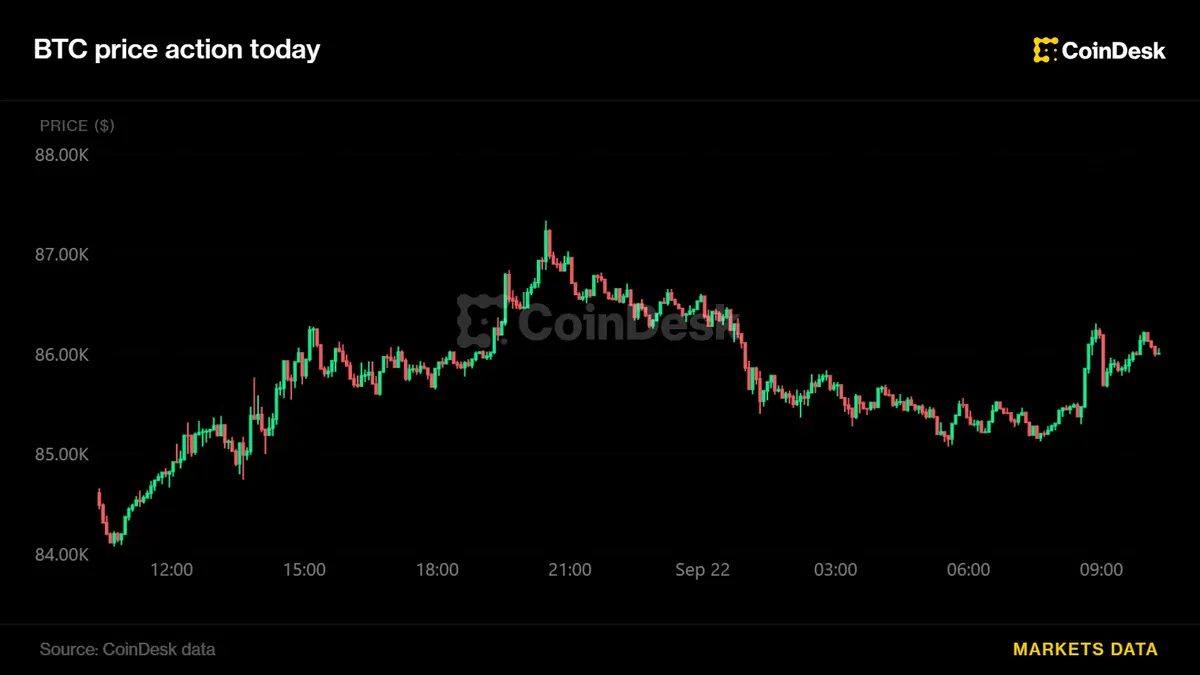
Bitcoin bounces back to $86,000 as oil prices decline and stocks rise

Prediction markets projected to reach $10 trillion by 2035, surpassing sports