Bitmine buys $236 million in ether as Tom Lee touts ETH as 'wartime store of value'

In a bold move that has caught the attention of the cryptocurrency community, Bitmine has acquired over $236 million in ether (ETH), marking a significant investment in the second-largest cryptocurrency by market capitalization. This acquisition, amounting to more than 5 million ETH, has taken place over just 10 months, positioning Bitmine as a prominent player in the market while many other digital asset treasury companies have either paused or reduced their accumulation strategies. The timing of this purchase aligns with a broader discussion among industry experts regarding the potential of ETH as a robust asset in uncertain economic times.
The backdrop of this purchase is critical to understanding its implications. As the cryptocurrency market faces various challenges, including regulatory scrutiny and fluctuating prices, many institutional investors have become more cautious, often opting for a wait-and-see approach. In contrast, Bitmine’s aggressive accumulation of ether signals a confidence in ETH's long-term value and utility. This strategy may also reflect growing interest from institutional players in diversifying their portfolios with digital assets, particularly those perceived as having more stability or use-case potential.
This strategic investment by Bitmine is particularly relevant in the current market landscape. With increasing discussions around the role of cryptocurrencies as a "store of value," Tom Lee, a well-known analyst and co-founder of Fundstrat, has characterized ETH as a "wartime store of value." This assertion highlights the belief that during turbulent economic periods, assets like ether can provide a safe haven against inflation and currency devaluation. As the market continues to evolve, investments like Bitmine's could inspire other firms to reconsider their strategies, potentially leading to renewed interest in accumulating digital assets.
Industry reactions to Bitmine's significant investment have been varied. Some experts view this move as a bullish indicator for ether, suggesting that it reflects confidence in the asset's long-term potential and its growing adoption within the financial sector. Others caution that while such investments are promising, they also underscore the volatility inherent in the cryptocurrency space. The contrasting perspectives illustrate the complexity of the market and the diverse strategies that investors are adopting in response to prevailing conditions.
Looking ahead, it will be interesting to monitor how Bitmine's investment plays out in the broader context of the cryptocurrency market. If ether continues to gain traction as a preferred store of value, we may see increased institutional participation and more companies adopting similar strategies. Additionally, the ongoing discourse surrounding regulatory frameworks and economic conditions will undoubtedly influence future investments in digital assets, making it crucial for market participants to remain informed and agile in their approaches.

CoinMagnetic Team
Crypto investors since 2017. We trade with our own money and test every exchange ourselves.
Updated: April 2026
From our insights:
Related news

Bernstein revises prediction markets to $10 trillion by 2035, up from $1 trillion
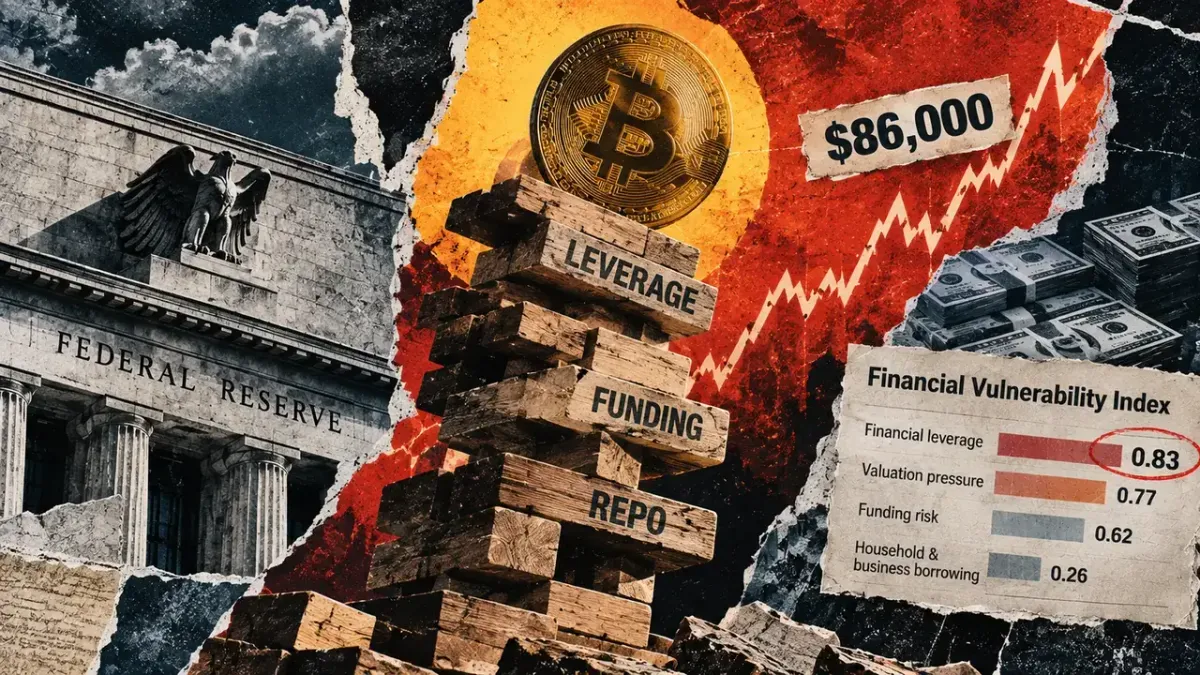
New Fed data reveals potential dangers in Bitcoin's rally

Anthropic’s New Claude Opus 5.5 Matches Fable at 60% the Price

Elon Musk's influence drives Dogecoin to highest price in months
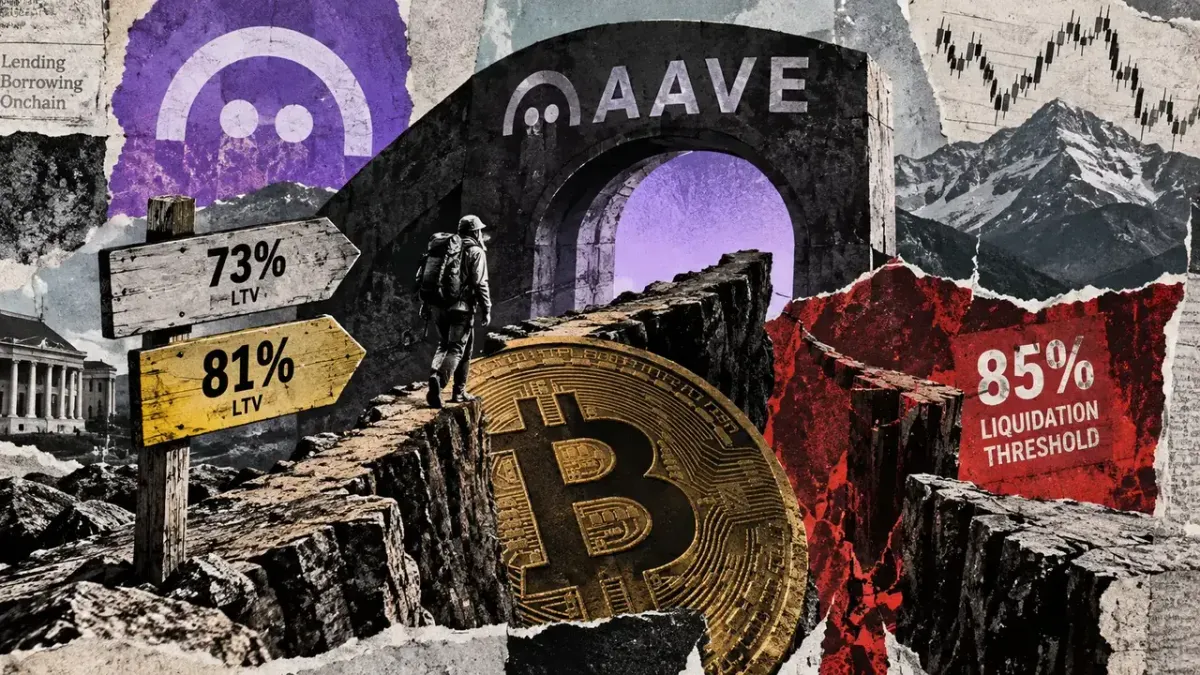
Aave's plan could expose Bitcoin loans to 4.7% price dips with higher leverage