Trump Walks Back Prediction Market Criticism, Says 'Smart People' He Knows Like Them
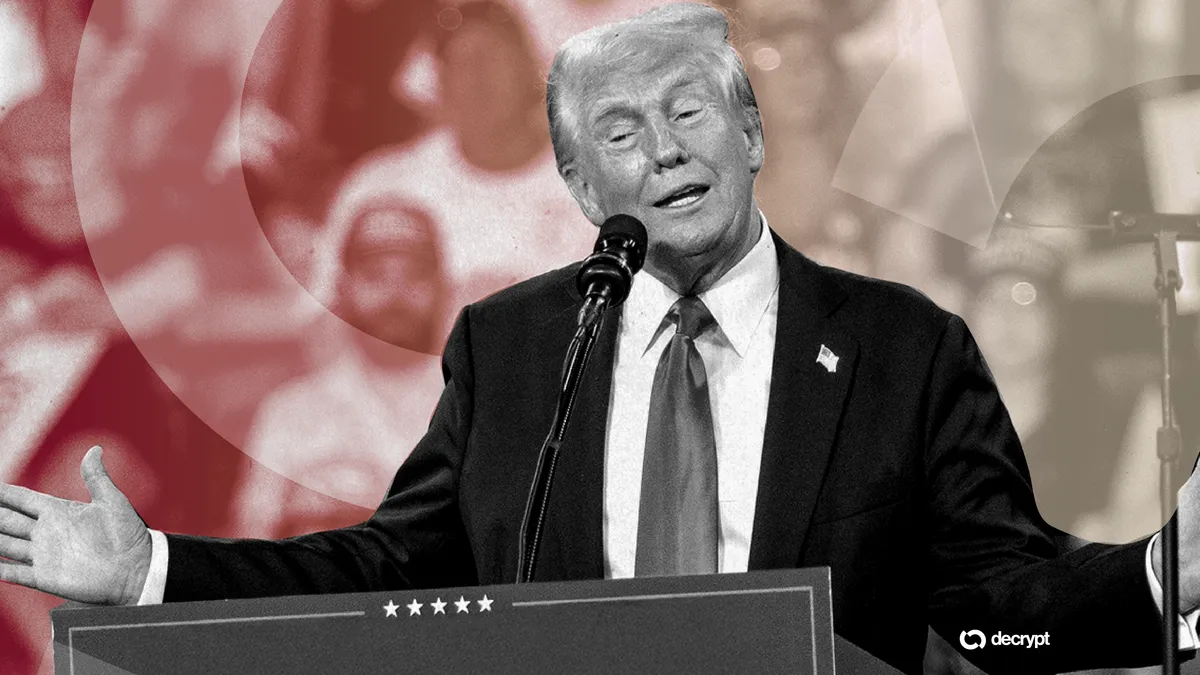
Former President Donald Trump recently made headlines after reversing his stance on prediction markets. Initially expressing skepticism about these platforms, Trump stated last week that he did not favor them. However, in a surprising shift, he has now acknowledged their potential value, suggesting that the United States should embrace prediction markets to avoid falling behind in this innovative sector. This change of heart reflects a growing recognition of the role that prediction markets can play in various domains, including finance, politics, and even social issues.
Prediction markets, which allow participants to bet on the outcomes of future events, have gained traction in recent years, particularly within the cryptocurrency space. These markets leverage collective intelligence to forecast outcomes more accurately than traditional polling or expert opinions. Trump's initial criticism may have stemmed from a misunderstanding of how these markets operate, but his recent comments indicate that he is now aware of their potential benefits, especially as the U.S. competes with other nations advancing in this area.
The implications of Trump's newfound support for prediction markets could be significant for the broader market landscape. As regulatory frameworks around cryptocurrencies and related technologies continue to evolve, a more favorable view from influential figures can lead to increased acceptance and participation in these markets. This shift could encourage more institutional investors to explore prediction markets, potentially enhancing liquidity and driving innovation within the sector.
Industry experts have reacted to Trump's comments with cautious optimism. Some believe his endorsement could catalyze further discussions on regulation and the integration of prediction markets into mainstream finance. Others, however, warn against viewing his statements as a definitive signal for regulatory changes, noting that the political landscape is complex and may not lead to immediate reforms. Nevertheless, the discourse around prediction markets is likely to gain momentum, with stakeholders advocating for a balanced approach that promotes innovation while addressing potential risks.
Looking ahead, the future of prediction markets in the U.S. will likely hinge on ongoing discussions among policymakers, industry leaders, and the public. As interest in these platforms continues to grow, we may see more initiatives aimed at establishing clear regulatory guidelines that support their development. Furthermore, if more prominent figures continue to endorse prediction markets, it could pave the way for a more conducive environment for innovation and investment in this space, ultimately shaping the future of how we engage with predictions in various sectors.

CoinMagnetic Team
Crypto investors since 2017. We trade with our own money and test every exchange ourselves.
Updated: April 2026
From our insights:
Related news

CFTC issues warning on manipulation risks in prediction markets tied to mentions

Ancient wallets move $161 million in bitcoin, including 600 BTC today
CFTC Chairman Selig emphasizes need for markets to adapt to mass tokenization

Republican senator seeks investigation into presidential sons' crypto ties

OpenAI cuts prices 50% on mid-tier models as Anthropic unveils Claude Opus 5.5