Bitcoin whipsaws on CME open as Iran tensions pressure crypto markets
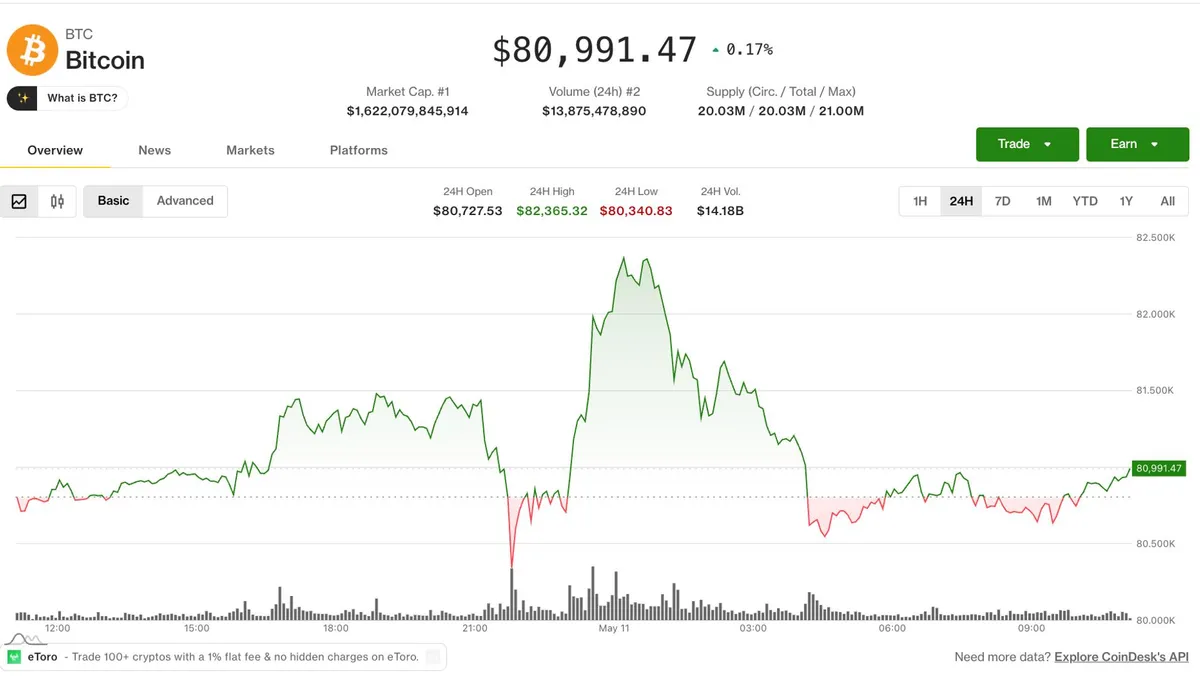
Bitcoin's price action took a dramatic turn as it whipsawed on the opening of the Chicago Mercantile Exchange (CME) futures market. After briefly climbing to a high of $82,400, the leading cryptocurrency quickly fell back below the $81,000 mark. This volatility underscores a complex interplay of market dynamics as traders adjust their positions in response to both technical factors and external geopolitical pressures. The timing of this price fluctuation coincides with rising tensions involving Iran, which has added an additional layer of uncertainty to the broader financial landscape.
To understand the current situation, it's essential to consider the context surrounding these price movements. The CME futures market often acts as a barometer for institutional sentiment in the crypto space, and its opening can trigger significant price adjustments. Furthermore, geopolitical instability, particularly in the Middle East, has historically influenced market behavior across asset classes, including cryptocurrencies. The ongoing tensions have prompted traders to adopt a more cautious stance, leading to increased volatility as they react to real-time developments.
This price turbulence is significant for the market, as it reflects the heightened sensitivity of Bitcoin and other cryptocurrencies to external events. The dual impact of technical trading around CME futures and geopolitical risks highlights the fragile balance of investor sentiment. As Bitcoin approaches critical price levels, the potential for sharp price swings increases, which can lead to cascading effects in the market. For many investors, this situation serves as a reminder of the inherent risks associated with digital assets, especially during periods of uncertainty.
Industry reactions have varied, with some experts expressing concern over how geopolitical tensions can create a ripple effect across the crypto markets. Others, however, view the situation as an opportunity for savvy traders who can navigate the volatility. Analysts suggest that the current environment may lead to increased interest in hedging strategies, especially as more institutional players enter the crypto space. This could result in a more resilient market structure in the long run, although the immediate outlook remains uncertain.
Looking ahead, the key question is how Bitcoin and the broader crypto market will respond to ongoing geopolitical developments. As tensions escalate or de-escalate, traders will likely continue to reposition themselves, leading to further price fluctuations. Additionally, market participants will be closely monitoring the CME futures market for indications of institutional sentiment, which could provide insights into future price movements. For now, the crypto community remains on high alert, aware that external factors can have significant implications for the market's trajectory.

CoinMagnetic Team
Crypto investors since 2017. We trade with our own money and test every exchange ourselves.
Updated: May 2026
From our insights:
Related news

OpenAI cuts prices 50% on mid-tier models as Anthropic unveils Claude Opus 5.5

Bernstein revises prediction markets to $10 trillion by 2035, up from $1 trillion
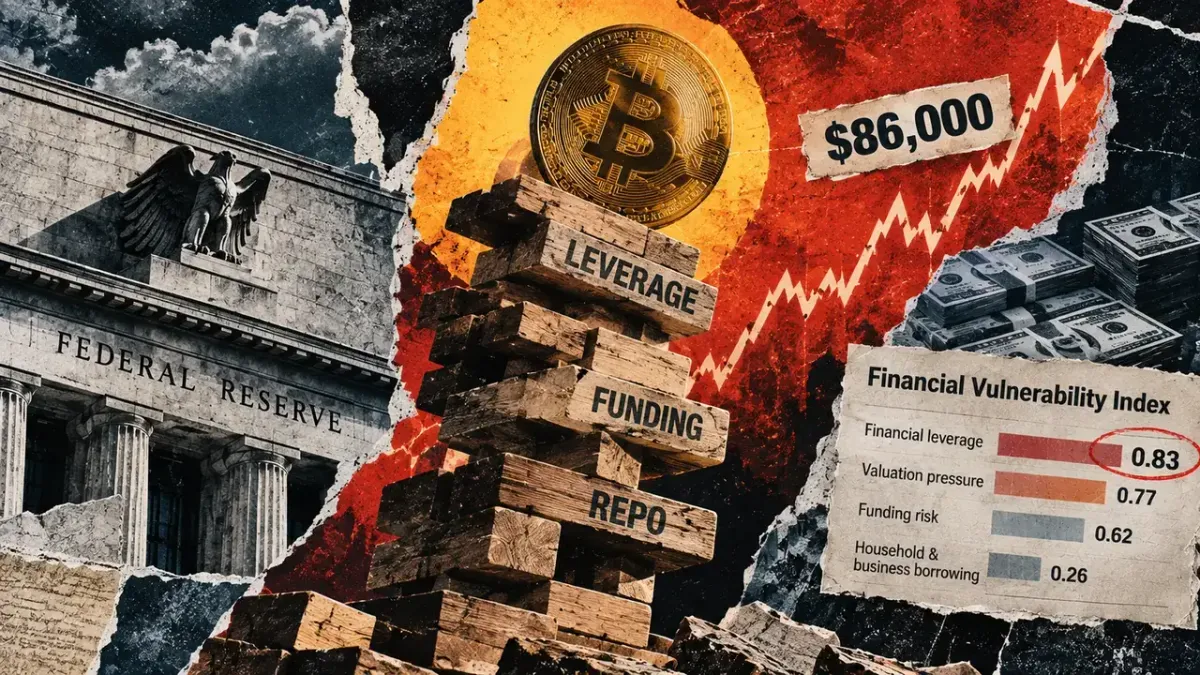
New Fed data reveals potential dangers in Bitcoin's rally

Anthropic’s New Claude Opus 5.5 Matches Fable at 60% the Price

Elon Musk's influence drives Dogecoin to highest price in months