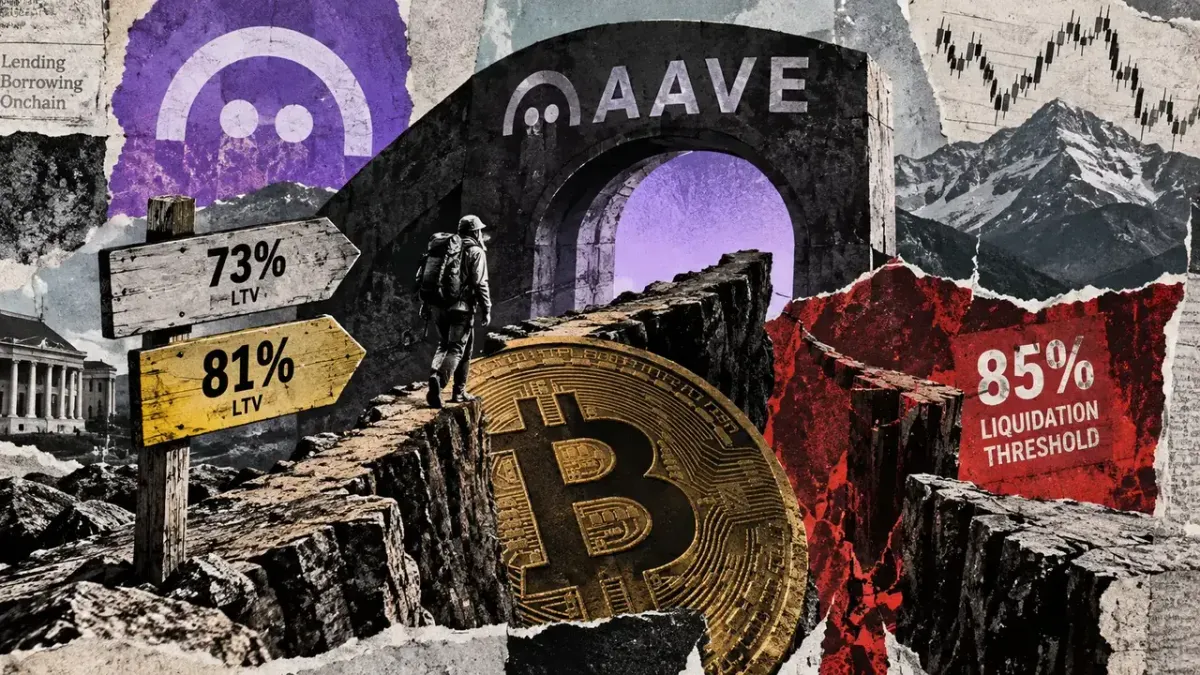
Bitcoin was waiting for cuts. Hot CPI inflation data just put hikes back on the table

The recent inflation report released by the Bureau of Labor Statistics (BLS) has sent ripples through the cryptocurrency markets, particularly impacting Bitcoin. On May 12, the BLS reported that the headline Consumer Price Index (CPI) rose by 3.8% year-over-year in April, slightly surpassing the anticipated 3.7%. This unexpected rise in inflation has prompted discussions about the Federal Reserve potentially reconsidering its stance on interest rate hikes. As a result, Bitcoin is once again at the forefront of market speculation regarding the Fed's monetary policy, which has been a significant factor influencing crypto prices throughout the year.
To understand the implications of this inflation data, it is essential to consider the broader economic context. The Federal Reserve has been navigating a delicate balance between controlling inflation and fostering economic growth. Over the past year, the Fed has implemented a series of interest rate hikes to combat rising prices. However, there has been growing anticipation that these hikes could soon come to an end, especially as inflation appeared to be stabilizing. This recent CPI report complicates those expectations and raises the specter of prolonged higher interest rates, which could dampen investment in riskier assets, including cryptocurrencies.
The impact of the newly released CPI data on Bitcoin and the broader crypto market cannot be understated. Higher interest rates generally lead to increased borrowing costs, which can result in reduced liquidity in the market. Investors often pivot toward safer assets during periods of uncertainty, potentially leading to further downward pressure on Bitcoin's price. As the crypto market has already been grappling with various challenges this year, including regulatory scrutiny and macroeconomic headwinds, this renewed focus on interest rates could exacerbate existing volatility.
Industry experts have weighed in on the implications of this CPI report. Many analysts suggest that Bitcoin's price trajectory will remain closely tied to the Fed's decisions in the coming months. Some see this as a crucial moment for Bitcoin, arguing that if inflation continues to run hot, it may lead to a reevaluation of the current bullish sentiment surrounding the cryptocurrency. Others remain cautiously optimistic, believing that Bitcoin's fundamental attributes as a hedge against inflation could still attract investors despite rising interest rates.
Looking ahead, market participants will be closely monitoring upcoming economic indicators and the Federal Reserve's response to the latest inflation data. If inflation remains elevated, the Fed might feel pressured to continue its aggressive policy stance, which could have lasting implications for Bitcoin and the broader crypto ecosystem. On the other hand, should inflation show signs of cooling, it may provide a more favorable environment for Bitcoin and other digital assets. As always, the interplay between macroeconomic factors and the crypto market will be critical in shaping the landscape in the months to come.

CoinMagnetic Team
Crypto investors since 2017. We trade with our own money and test every exchange ourselves.
Updated: May 2026
From our insights:
Related news

OpenAI cuts prices 50% on mid-tier models as Anthropic unveils Claude Opus 5.5

Bernstein revises prediction markets to $10 trillion by 2035, up from $1 trillion
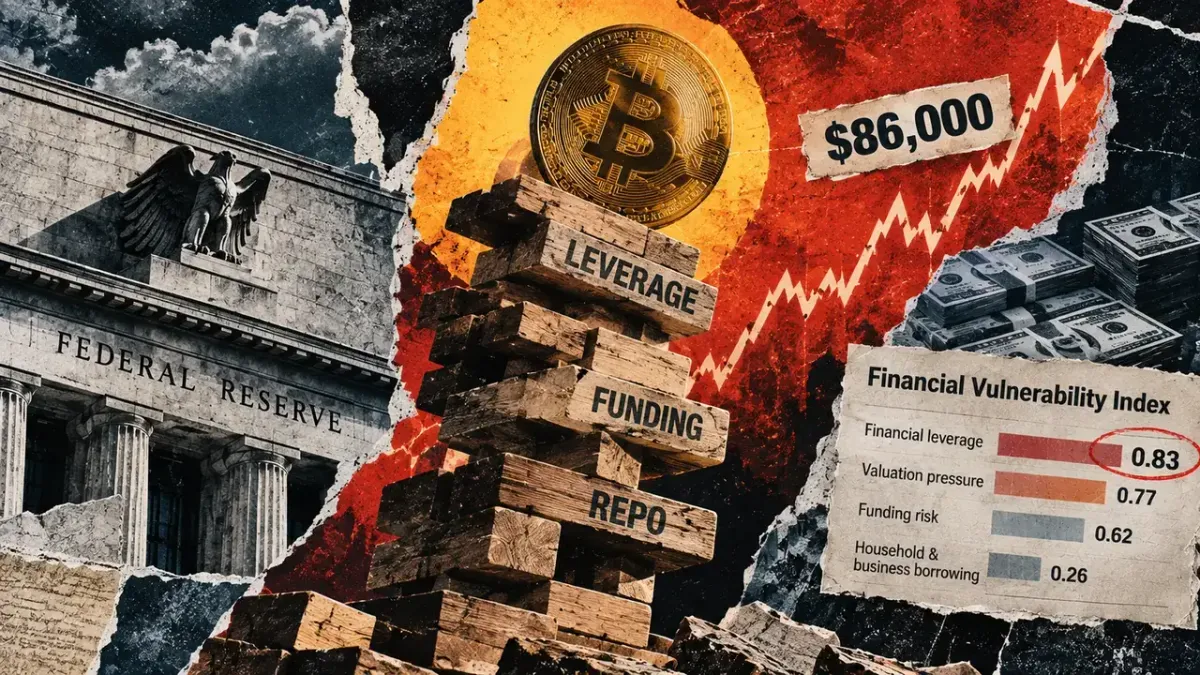
New Fed data reveals potential dangers in Bitcoin's rally

Anthropic’s New Claude Opus 5.5 Matches Fable at 60% the Price

Elon Musk's influence drives Dogecoin to highest price in months