Bitcoin used to hate inflation. Now it might be the opposite

In a surprising turn of events, Bitcoin has recently been rallying in tandem with inflation signals, challenging the conventional wisdom that associates the cryptocurrency with a hedge against inflation. Historically, Bitcoin has been viewed as a store of value that should thrive in inflationary environments, as investors seek assets that can maintain purchasing power. However, recent market movements suggest that Bitcoin is responding differently this time around, with its price rising alongside indications of increasing inflation. This shift has caught the attention of analysts and investors, leading to a broader discussion about the changing dynamics of the cryptocurrency market.
To understand this phenomenon, it is essential to consider the context of Bitcoin's role in the financial ecosystem. Since its inception, Bitcoin has often been positioned as "digital gold," with proponents arguing that it serves as a safeguard against the erosive effects of inflation. However, the economic landscape has evolved significantly over the past few years. Central banks around the world have adopted unprecedented monetary policies, including low interest rates and substantial asset purchases, which have led to rising inflation. As a result, Bitcoin's relationship with inflation has come under scrutiny, prompting many to question its effectiveness as a protective asset.
The implications of Bitcoin's recent performance alongside inflation signals are significant for the broader market. Traditionally, rising inflation has led investors to flock to safe-haven assets, but the current rally indicates a potential shift in sentiment. Investors may be viewing Bitcoin not only as a speculative asset but also as a legitimate contender in the fight against inflation. This could lead to increased institutional interest and investment in cryptocurrencies, further legitimizing their place in the financial markets. As Bitcoin continues to rally, it may attract new participants looking to capitalize on its price movements, contributing to increased volatility and potential price appreciation.
Industry experts have begun to weigh in on this trend, providing various perspectives on what it means for the future of Bitcoin. Some analysts suggest that the current market behavior reflects a maturation of the cryptocurrency space, where Bitcoin is no longer solely viewed as a hedge against inflation but as a multifaceted asset influenced by various macroeconomic factors. Others caution that this correlation could be a temporary anomaly, and the long-term fundamentals of Bitcoin as an inflation hedge remain intact. The divergence from traditional investment patterns has sparked a lively debate among market participants, with many eager to understand the underlying causes of this shift.
Looking ahead, it will be crucial to monitor how Bitcoin continues to respond to inflation signals and macroeconomic conditions. If the current trend persists, we may see a reevaluation of investment strategies surrounding Bitcoin and other cryptocurrencies. Additionally, as more investors recognize Bitcoin's potential in an inflationary environment, it could lead to increased market participation and further price fluctuations. As always, the cryptocurrency market remains dynamic, and staying informed will be essential for investors navigating this evolving landscape.

CoinMagnetic Team
Crypto investors since 2017. We trade with our own money and test every exchange ourselves.
Updated: May 2026
From our insights:
Related news

GameStop possibly forfeits $31 million in Bitcoin gains from options trade

Researchers trace 1.1 million Bitcoin to early miner but Satoshi's identity remains unclear

Bitcoin, ether perpetual volumes on Kalshi are dominated by an unusual, repetitive trade, data shows
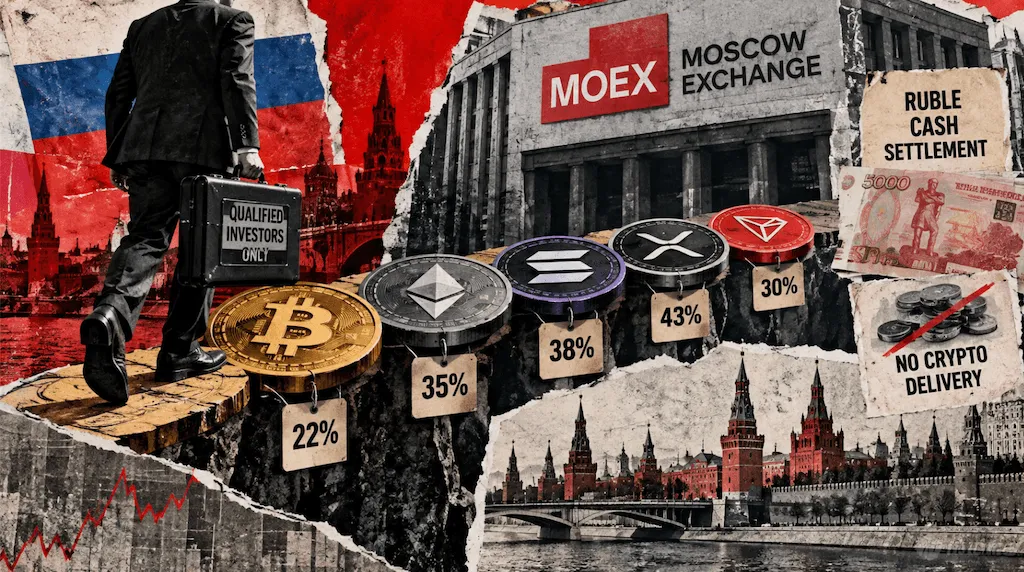
Moscow Exchange introduces 5 crypto perpetual futures amid 600 billion ruble demand

SoFi begins stablecoin settlement on Mastercard network for program expected to exceed $25 billion in annualized volume