Bitcoin tumbles below $79,000 as rising bond yields, inflation worries rattle markets
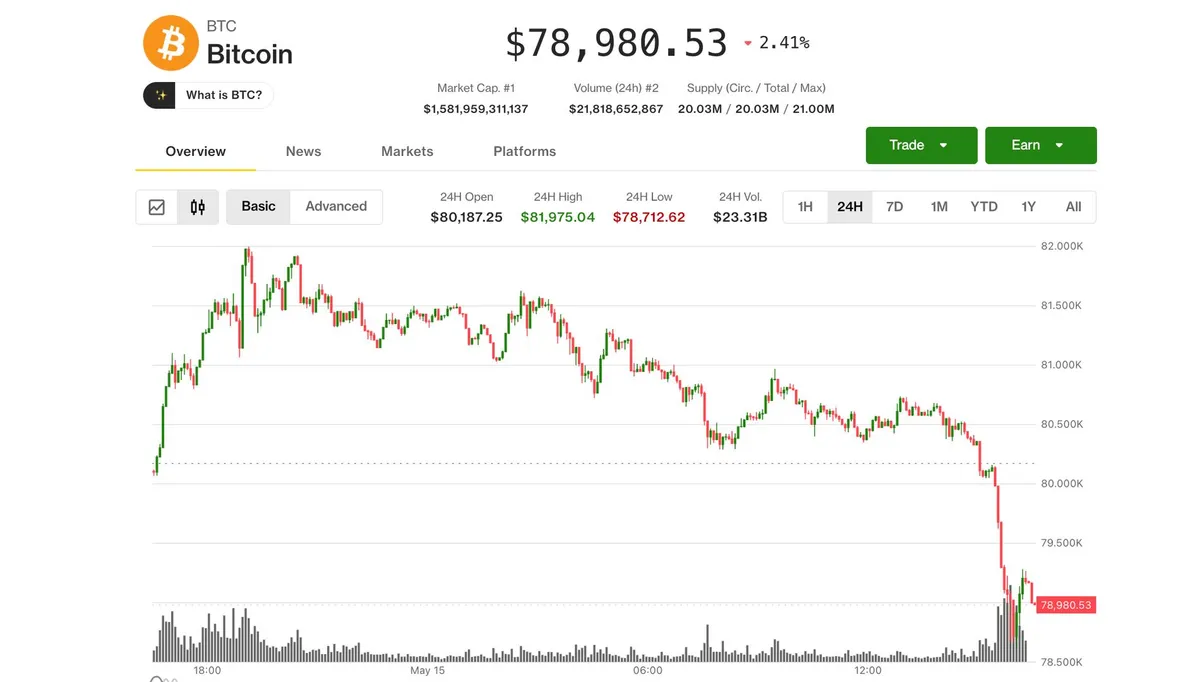
Bitcoin has experienced a significant downturn, dropping below the $79,000 mark amid rising bond yields and escalating inflation concerns. This decline is part of a broader trend affecting various asset classes, including stocks and gold, both of which have also seen notable declines. The surge in crude oil prices, surpassing $100 per barrel, has contributed to a climate of uncertainty in the markets, prompting traders to quickly adjust their expectations regarding potential Federal Reserve interest rate hikes. The combination of these factors has created a ripple effect, leading investors to reassess their positions across the board.
To understand this situation, it’s crucial to consider the context surrounding current economic conditions. The Federal Reserve's ongoing battle against inflation has been a central theme in financial markets, with rising consumer prices prompting speculation about further interest rate hikes. As bond yields increase, they often signal higher borrowing costs and tighter monetary policy, which can weaken demand for riskier assets like cryptocurrencies. The recent shifts in oil prices have only intensified these inflationary fears, pushing investors to seek safety in more traditional assets.
The implications of Bitcoin's decline are significant for the cryptocurrency market as a whole. A drop below the $79,000 threshold raises concerns about a potential bearish trend, which could lead to increased volatility. Market participants may begin to question Bitcoin's status as a hedge against inflation, especially when traditional assets like bonds and commodities are also facing pressure. This situation could result in a shift in investor sentiment, leading to a more cautious approach toward digital currencies and possibly stalling the momentum that Bitcoin has built in recent months.
Industry experts have weighed in on the situation, expressing a mixture of concern and cautious optimism. Some analysts suggest that the current market dynamics may lead to a reevaluation of Bitcoin's role in investment portfolios, particularly as investors grapple with the implications of rising interest rates. Others argue that Bitcoin's fundamentals remain strong, and that this pullback could be a natural correction in the context of a broader bullish trend. The sentiment among traders is mixed, with some viewing this moment as an opportunity to accumulate Bitcoin at lower prices, while others remain wary of further declines.
Looking ahead, the crypto market is likely to remain highly sensitive to macroeconomic developments. As inflation data continues to be released and bond yields fluctuate, we may see further volatility in Bitcoin and other cryptocurrencies. Investors will be closely monitoring the Federal Reserve's actions and statements for guidance on future rate hikes, which will undoubtedly influence both market sentiment and trading strategies. In this uncertain environment, it will be crucial for market participants to stay informed and adaptable in the face of evolving economic conditions.

CoinMagnetic Team
Crypto investors since 2017. We trade with our own money and test every exchange ourselves.
Updated: May 2026
From our insights:
Related news

Bitcoin's weekly close above $81,000 signals potential rise to $90,000

Elon Musk's X integrates bitcoin trading options for U.S. users
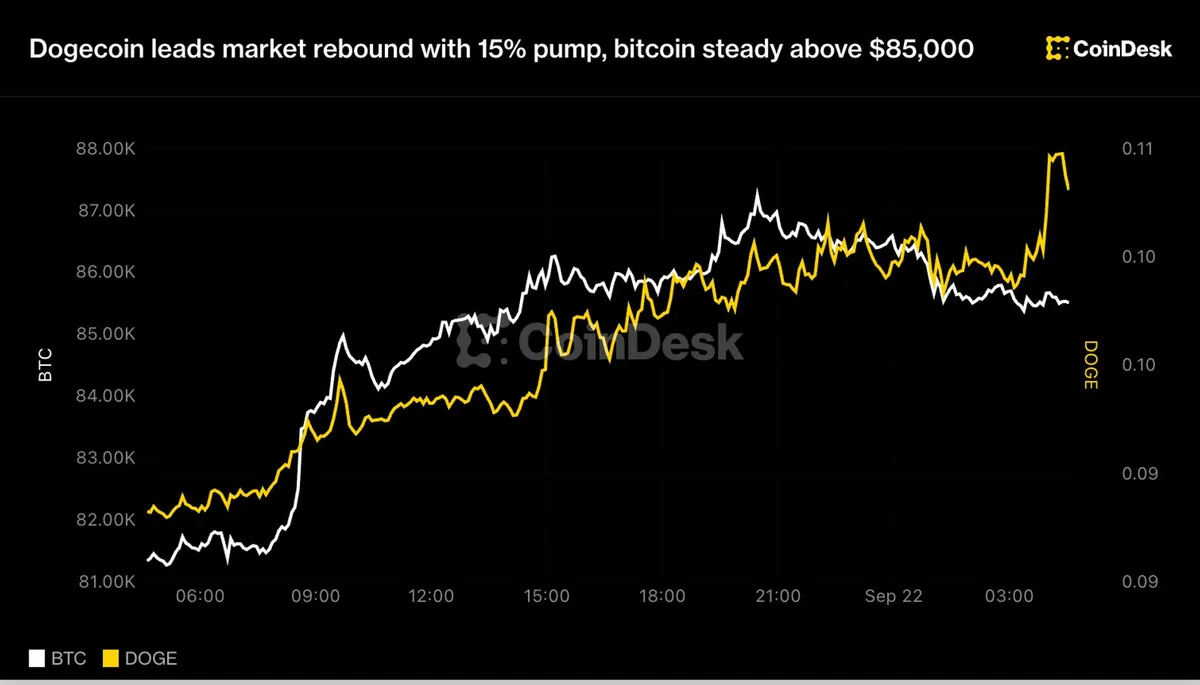
Dogecoin's 15% surge drives market recovery as bitcoin stabilizes above $85,000

Cardano adds tools for AI agent payments, joining Solana and XRP Ledger

Trueo prediction market moves from Base to Ethereum