Bitcoin trims losses after core CPI rises less than feared 0.2% in May

Bitcoin has shown resilience in the face of economic data, trimming its losses following the release of the latest inflation numbers. In May, the core Consumer Price Index (CPI) rose by 0.2%, which was lower than the anticipated figure. While the headline inflation rate increased by 0.5%, the moderation in the core rate–especially when food and energy prices are excluded–has provided a glimmer of hope for investors. This positive surprise has prompted a slight recovery in Bitcoin prices, indicating that investors are responding favorably to the data.
To understand the significance of this development, it's essential to consider the broader economic backdrop. Inflation has been a major concern for policymakers, investors, and consumers alike, with rising prices impacting various sectors. The core CPI is often seen as a more stable measure of underlying inflation trends, as it removes the volatility associated with food and energy prices. The lower-than-expected core rate suggests that inflationary pressures may be easing, offering the Federal Reserve some leeway in its monetary policy decisions going forward.
This news matters for the cryptocurrency market, particularly for Bitcoin, as inflation plays a crucial role in shaping investor sentiment. Many view Bitcoin as a hedge against inflation, and any signs of easing inflation could reinforce that narrative, attracting more institutional and retail investors alike. A stable inflation outlook may also reduce the urgency for aggressive interest rate hikes, which can create a more favorable environment for risk assets, including cryptocurrencies.
Industry experts have weighed in on the implications of the CPI data. Some analysts suggest that a lower core inflation rate may provide the Federal Reserve with the confidence to adopt a more cautious approach to interest rate adjustments. This sentiment is echoed by various market commentators who believe that a stable inflation landscape can foster a more conducive environment for Bitcoin and other cryptocurrencies. However, others caution that while this data is encouraging, the macroeconomic landscape remains complex, and uncertainties persist.
Looking ahead, the cryptocurrency market will be closely monitoring upcoming economic indicators and Federal Reserve communications. The interplay between inflation data, interest rates, and market sentiment will continue to shape the trajectory of Bitcoin and other digital assets. As investors digest this latest information, the focus will shift to how central banks respond and what implications this may have for the broader financial ecosystem.

CoinMagnetic Team
Crypto investors since 2017. We trade with our own money and test every exchange ourselves.
Updated: June 2026
From our insights:
Related news
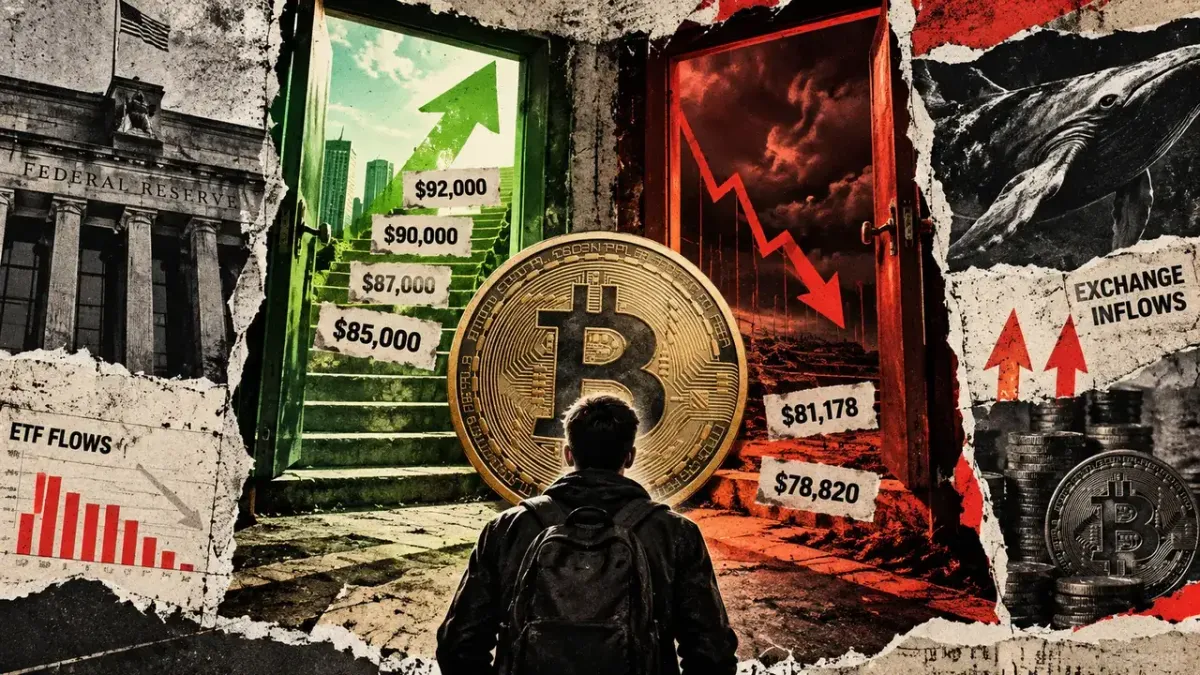
Bitcoin's weekly close above $81,000 signals potential rise to $90,000

Elon Musk's X integrates bitcoin trading options for U.S. users
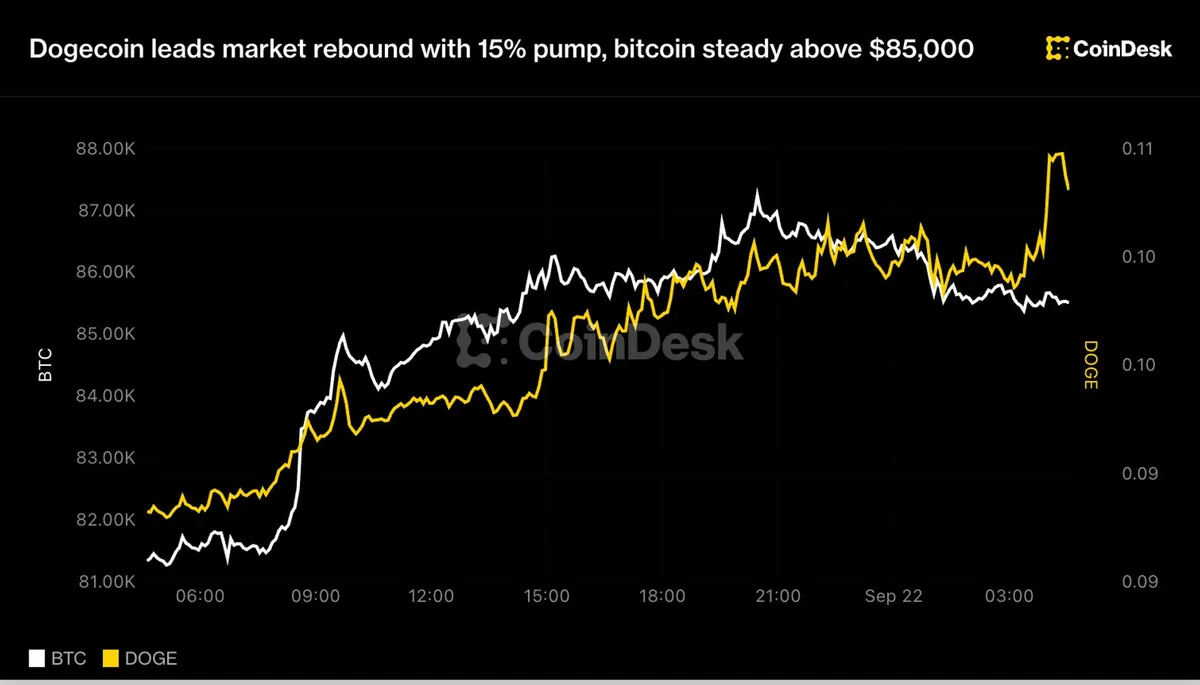
Dogecoin's 15% surge drives market recovery as bitcoin stabilizes above $85,000

Cardano adds tools for AI agent payments, joining Solana and XRP Ledger

Trueo prediction market moves from Base to Ethereum