Bitcoin treasury companies in Europe struggle with shareholder cost issues

In recent developments, Bitcoin treasury companies across Europe are facing significant challenges as they seek to obtain shareholder backing for increased exposure to Bitcoin. This push for greater investment comes with an array of concerns, particularly regarding dilution, credit capacity, and preference-share claims. As these companies attempt to navigate their financial strategies, shareholders are grappling with the potential impact on their existing investments, leading to a complex and often contentious debate within boardrooms.
The backdrop of this situation involves the rising popularity of Bitcoin as a treasury asset, which has encouraged companies to consider allocating a portion of their cash reserves to the cryptocurrency. However, as Bitcoin's volatility remains a critical factor, companies must balance the potential for high returns against the risks of dilution and the implications for credit ratings. With many shareholders already wary of the unpredictable nature of cryptocurrencies, the call for increased exposure raises additional questions about the long-term financial health of the companies involved.
This struggle is significant for the broader cryptocurrency market as it reflects growing pains within the sector. As institutional interest in Bitcoin continues to rise, the decisions made by these treasury companies could set precedents for others considering similar strategies. If companies can successfully navigate these shareholder concerns, it may lead to increased institutional adoption of Bitcoin, further legitimizing the cryptocurrency in traditional financial ecosystems. Conversely, if companies fail to secure the necessary backing, it might deter others from pursuing similar paths, potentially stifling innovation and growth in the sector.
Industry experts have voiced mixed opinions on the situation. Some believe that companies must be transparent with shareholders about the risks and rewards associated with Bitcoin investments. Others argue that the volatility of Bitcoin could lead to significant financial repercussions for companies that overextend themselves in pursuit of crypto exposure. The need for clear communication and strategic planning is paramount, as companies face the dual challenge of advancing their crypto strategies while maintaining shareholder trust.
Looking ahead, the outcome of these deliberations will likely shape the future of Bitcoin treasury strategies in Europe. Companies may need to develop tailored approaches that address shareholder concerns while capitalizing on the opportunities presented by Bitcoin. As the market evolves, it will be crucial for these treasury firms to find a balance that allows for growth without jeopardizing their financial foundations, setting the stage for how the industry adapts to the increasing intersection of traditional finance and cryptocurrency.

CoinMagnetic Team
Crypto investors since 2017. We trade with our own money and test every exchange ourselves.
Updated: June 2026
From our insights:
Related news

Bitcoin's weekly close above $81,000 signals potential rise to $90,000

Elon Musk's X integrates bitcoin trading options for U.S. users
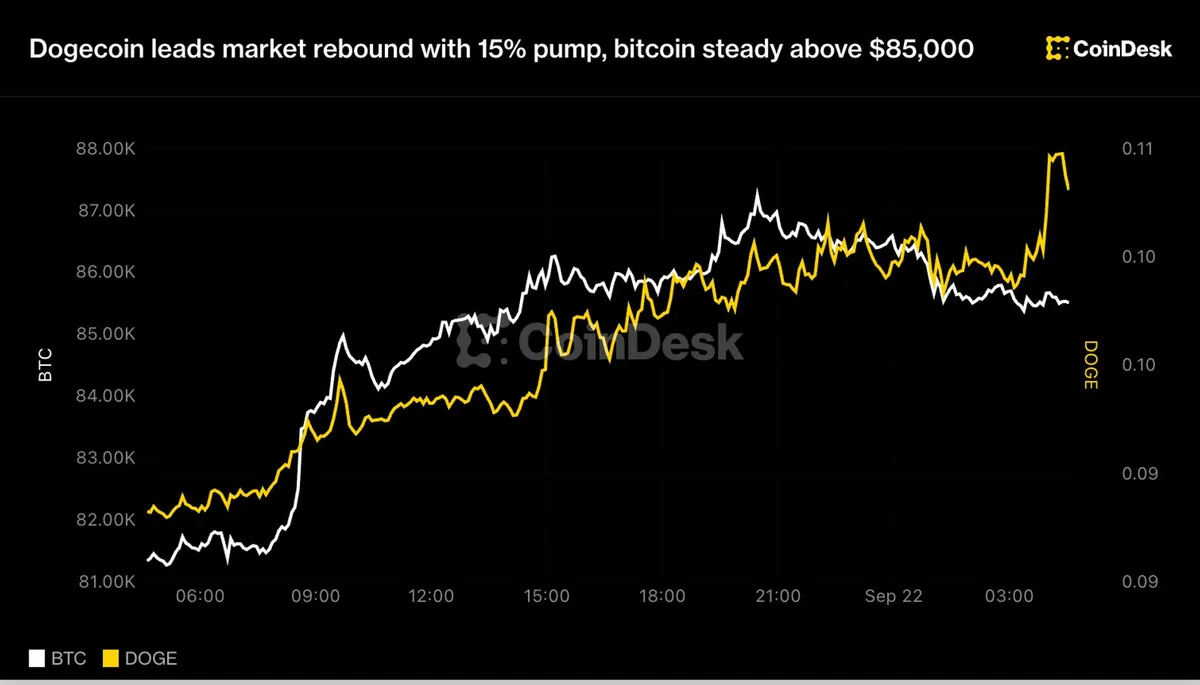
Dogecoin's 15% surge drives market recovery as bitcoin stabilizes above $85,000

Cardano adds tools for AI agent payments, joining Solana and XRP Ledger

Trueo prediction market moves from Base to Ethereum