'Bitcoin transactions can be monitored’: Ray Dalio explains why central banks won’t touch BTC
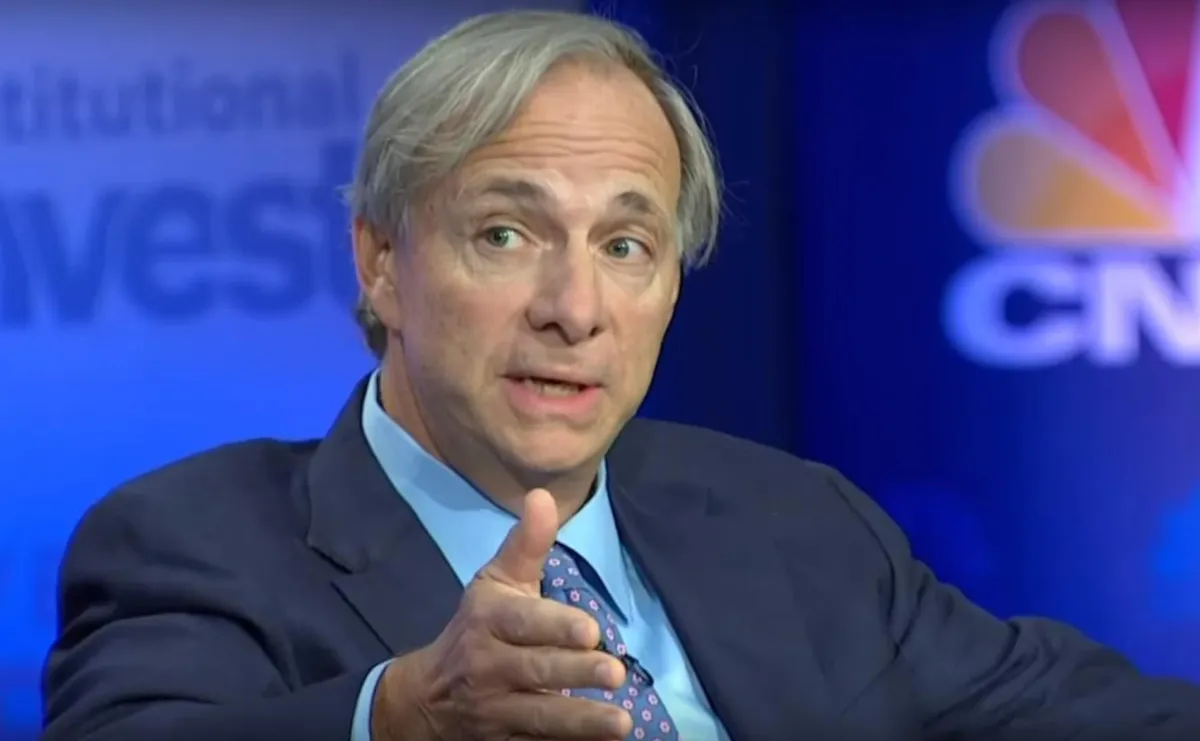
In a recent discussion, prominent investor Ray Dalio emphasized that Bitcoin's inherent transparency could deter central banks from adopting it as a mainstream currency. Dalio pointed out that every transaction on the Bitcoin network is publicly recorded, making it easy for anyone to trace the flow of funds. This level of transparency, while one of Bitcoin's selling points, poses significant challenges for central banks that prioritize privacy and control over their monetary systems. Dalio believes that the ability to monitor transactions could lead to increased regulatory scrutiny, further complicating Bitcoin’s potential role in the financial ecosystem.
The backdrop of Dalio's remarks is the ongoing debate surrounding the future of digital currencies and how they intersect with traditional banking systems. Central banks worldwide are exploring the development of Central Bank Digital Currencies (CBDCs) as a way to modernize their monetary policy and improve transaction efficiency. However, the transparent nature of Bitcoin stands in stark contrast to the privacy that many governments seek to maintain in their financial systems. As countries like China and Sweden make strides toward their own digital currencies, the conversation about Bitcoin's viability as a central bank asset has grown increasingly relevant.
Dalio's insights highlight a critical barrier for Bitcoin in the financial market. If central banks view Bitcoin as a transparent asset that can be easily monitored and regulated, they may be less inclined to adopt it. This perspective could impact Bitcoin's price and adoption rates, particularly if regulatory frameworks become more stringent in the wake of these considerations. The market could see a divergence, with institutional investors potentially favoring assets that offer greater privacy protections over Bitcoin, which may lead to shifts in investment strategies.
Industry reactions to Dalio's statements have been mixed. While some experts agree that Bitcoin's transparency could hinder its acceptance among central banks, others argue that the benefits of decentralization and security may outweigh these concerns. Many proponents of Bitcoin believe that the asset's transparency can actually enhance trust and accountability, making it an attractive option for those looking to avoid the pitfalls of traditional banking systems. Furthermore, some industry leaders suggest that evolving regulatory frameworks could accommodate Bitcoin while still preserving its decentralized ethos.
Looking ahead, the conversation around Bitcoin and its role in the financial system is likely to continue evolving. Central banks may seek to balance the need for privacy with the benefits of transparency as they explore digital currencies. As the regulatory landscape develops, Bitcoin advocates will need to address these concerns head-on, potentially leading to innovations that enhance privacy while maintaining the transparency that underpins the network. The future of Bitcoin may hinge on its ability to adapt to these shifting dynamics while maintaining its core principles.

CoinMagnetic Team
Crypto investors since 2017. We trade with our own money and test every exchange ourselves.
Updated: May 2026
From our insights:
Related news

Elon Musk's influence drives Dogecoin to highest price in months
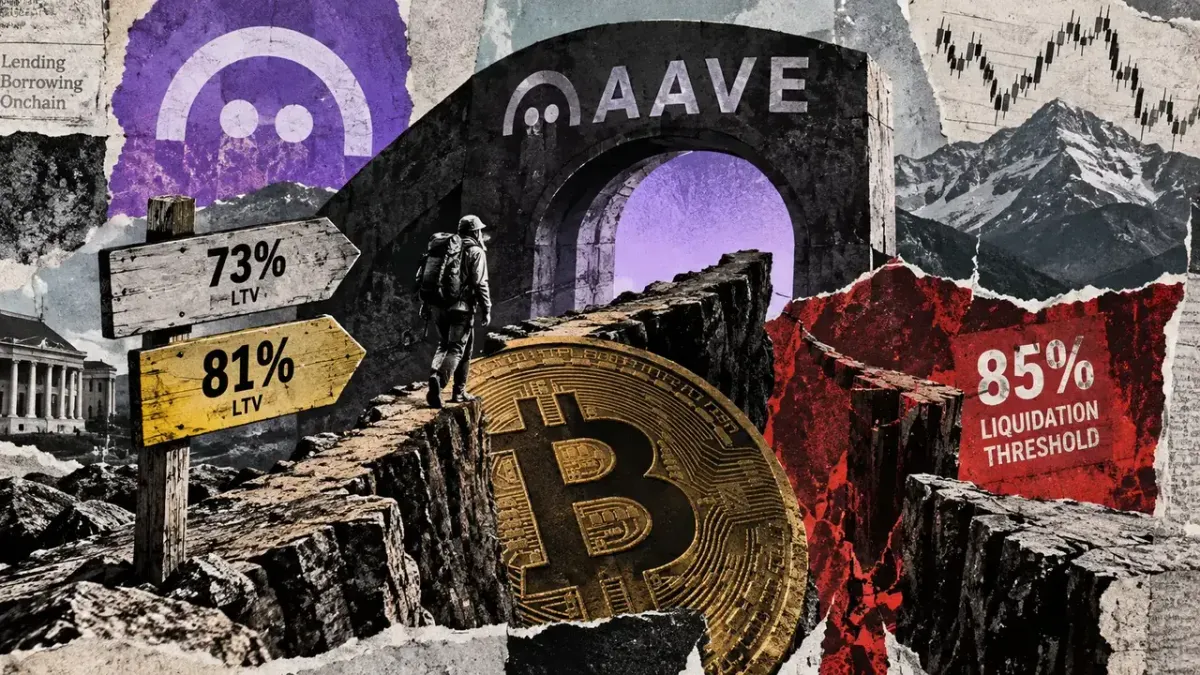
Aave's plan could expose Bitcoin loans to 4.7% price dips with higher leverage

Bitcoin price targets $86K support as oil falls under $90

GameStop possibly forfeits $31 million in Bitcoin gains from options trade

Researchers trace 1.1 million Bitcoin to early miner but Satoshi's identity remains unclear