Bitcoin traders blamed Saylor’s 32 BTC sale but larger selling pressure built elsewhere

The recent cryptocurrency market turbulence has seen traders focusing their scrutiny on Michael Saylor, co-founder of MicroStrategy, following his company's sale of 32 BTC. This transaction, disclosed in a Form 8-K filing on June 1, reveals that the sale occurred between May 26 and May 31, bringing in approximately $2.5 million at an average price of $77,135 per Bitcoin. While some traders have pointed to this relatively minor sale as a catalyst for the recent downturn in Bitcoin's price, the underlying dynamics of the market suggest that larger forces are at play.
To understand the context of this situation, it's important to consider the broader market trends leading up to this sell-off. The cryptocurrency market has experienced a series of fluctuations, with regulatory scrutiny and macroeconomic factors weighing heavily on investor sentiment. In the weeks preceding Saylor's sale, Bitcoin had already been facing pressure due to a combination of factors, including rising interest rates, inflation concerns, and a general cooling of speculative investments in digital assets. As a result, market participants were already on edge, and Saylor's sale may have merely been the trigger for an already volatile situation.
The blame directed at Saylor for the recent downturn raises questions about market psychology and the extent to which individual actions can influence price movements. While a sale of 32 BTC might seem like a drop in the bucket for an asset with a total market capitalization exceeding hundreds of billions, the narrative surrounding such transactions can have a significant impact on market sentiment. Traders often look for scapegoats during downturns, and Saylor’s high-profile status makes him an easy target. However, the reality is that broader market forces, including increased selling pressure from other investors and macroeconomic conditions, are more likely responsible for the recent price movements.
Industry reactions have been mixed, with some experts cautioning against attributing blame to specific individuals in a market as complex and interconnected as cryptocurrency. Many analysts emphasize the importance of looking at the bigger picture, acknowledging that while Saylor's sale may have contributed to market sentiment, it is far from the sole cause of the sell-off. Some industry voices have pointed out that increased regulatory scrutiny and concerns over liquidity have been much more significant contributors to the current market conditions.
Looking ahead, market participants will be keen to watch how Bitcoin and other cryptocurrencies respond to ongoing macroeconomic developments and regulatory news. As traders sift through the noise created by individual transactions, it will be crucial to pay attention to broader market trends and sentiment shifts. The cryptocurrency space remains highly dynamic, and while Saylor's sale may have been a talking point, it serves as a reminder of the numerous factors influencing this evolving landscape.

CoinMagnetic Team
Crypto investors since 2017. We trade with our own money and test every exchange ourselves.
Updated: June 2026
From our insights:
Related news

Bitcoin surges past $86,000 as $1 billion in shorts are liquidated, eyes on $90,000
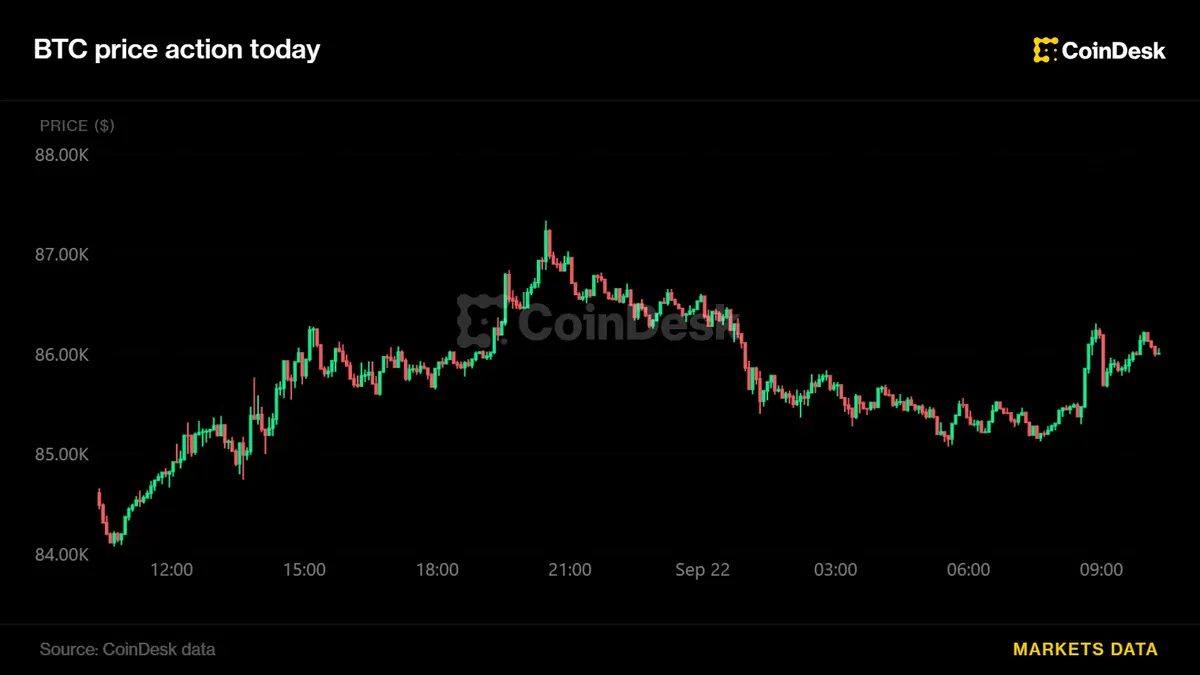
Bitcoin bounces back to $86,000 as oil prices decline and stocks rise

Prediction markets projected to reach $10 trillion by 2035, surpassing sports
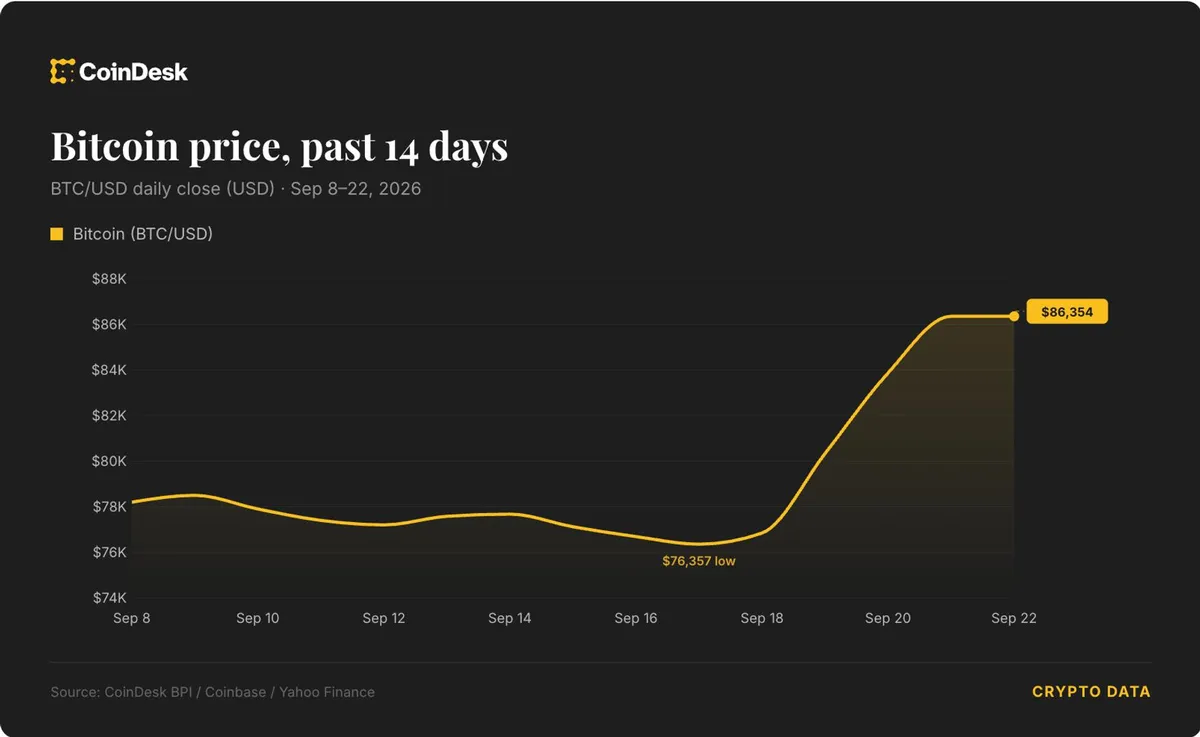
Iran hints at reopening Strait of Hormuz, WTI oil drops to $89

New altseason signal emerges as Bitcoin market cap stays under 60%