Bitcoin takes back seat to stablecoins and tokenization among financial advisors: Bitwise CIO

In a recent statement, Bitwise Chief Investment Officer Matt Hougan highlighted a significant shift in the focus of financial advisors towards stablecoins and tokenization, overshadowing their previous interest in Bitcoin. This trend indicates that advisors are increasingly recognizing the potential of stablecoins–digital currencies pegged to stable assets, such as the US dollar–as practical tools for portfolio diversification and risk management. Furthermore, tokenization, the process of converting ownership of real-world assets into digital tokens on a blockchain, is gaining traction as advisors look for innovative investment solutions.
Historically, Bitcoin has been considered the flagship cryptocurrency, often attracting the majority of attention from both institutional and retail investors. However, as the market matures, financial advisors are beginning to explore the broader implications of digital assets. Stablecoins provide a level of price stability that Bitcoin cannot offer, making them appealing for advisors aiming to mitigate volatility in client portfolios. Moreover, the growing interest in tokenization aligns with the broader trend of digitizing assets across various sectors, from real estate to art, which presents new investment avenues.
This shift in focus has significant implications for the cryptocurrency market as a whole. As financial advisors prioritize stablecoins and tokenization, we may see a reallocation of capital within the digital asset space. This could lead to increased demand for stablecoins, which serve as a bridge between traditional finance and the crypto world, enhancing liquidity and trading efficiency. Additionally, the rise of tokenization may encourage more traditional assets to enter the blockchain ecosystem, further legitimizing the use of cryptocurrencies in mainstream finance.
Industry reactions to this trend have been mixed, with some experts expressing enthusiasm about the evolving landscape. They argue that stablecoins and tokenized assets could democratize access to investments and streamline transactions. Others, however, caution that the regulatory environment surrounding these digital assets is still developing, which could pose challenges for widespread adoption. As financial advisors adapt to these changes, their evolving strategies may prompt further discourse on the regulatory frameworks governing digital assets.
Looking ahead, it will be essential to monitor how financial advisors continue to integrate stablecoins and tokenization into their portfolios. As the landscape evolves, we may witness a broader acceptance of these digital assets among more conservative investors. Additionally, the ongoing development of regulations will play a pivotal role in shaping the future of stablecoins and tokenization in the financial advisory space. The next few months could reveal whether this trend is a temporary shift or indicative of a long-term transformation in how financial advisors approach cryptocurrency investments.

CoinMagnetic Team
Crypto investors since 2017. We trade with our own money and test every exchange ourselves.
Updated: June 2026
From our insights:
Related news
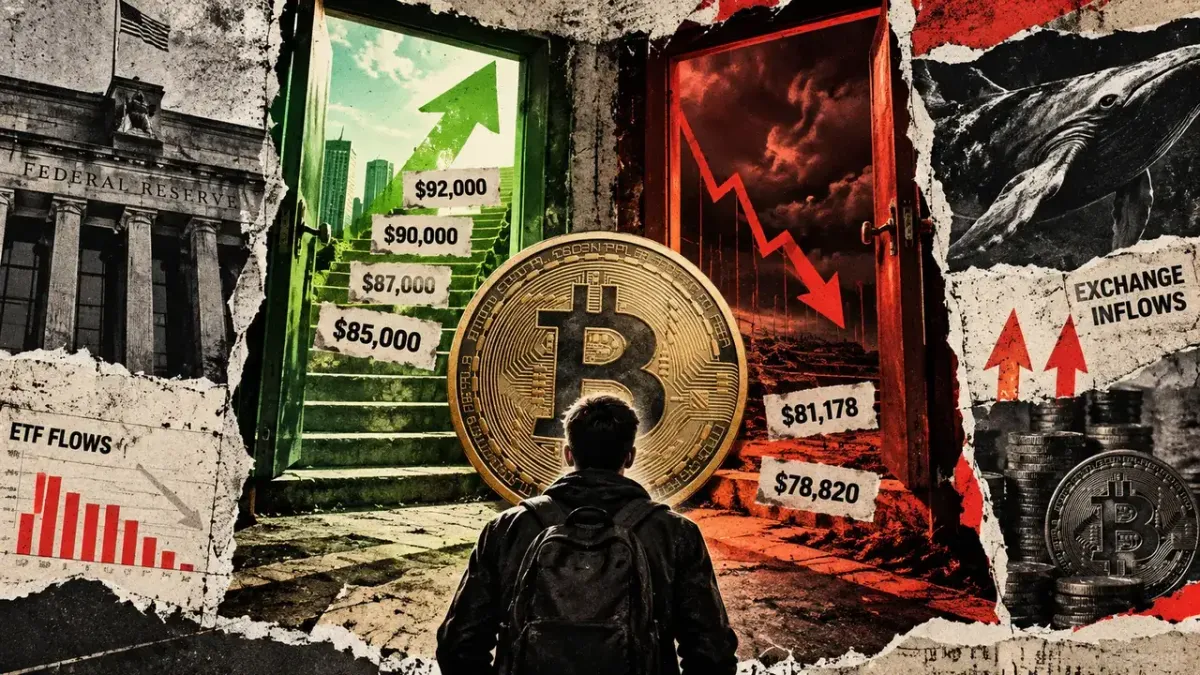
Bitcoin's weekly close above $81,000 signals potential rise to $90,000

Elon Musk's X integrates bitcoin trading options for U.S. users
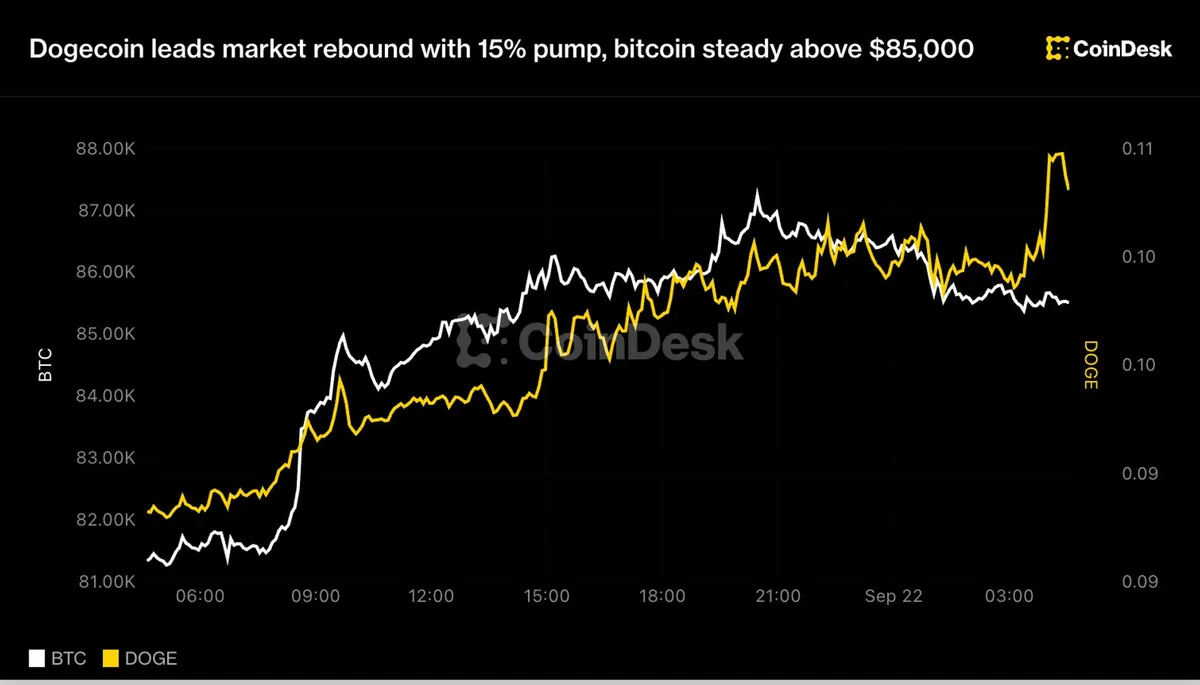
Dogecoin's 15% surge drives market recovery as bitcoin stabilizes above $85,000

Cardano adds tools for AI agent payments, joining Solana and XRP Ledger

Trueo prediction market moves from Base to Ethereum