Bitcoin steadies above $63,000 as its worst week in months got a late macro rescue

Bitcoin has recently stabilized above the $63,000 mark following a tumultuous week that saw it experience significant volatility. The downturn was primarily attributed to macroeconomic concerns, particularly surrounding inflation and interest rate hikes. However, the market received a much-needed boost as various factors came into play, including a strategic sale that raised questions about MicroStrategy CEO Michael Saylor's steadfast "never-sell" philosophy. Additionally, easing fears regarding Iran's impact on global markets, coupled with a strong debut from SpaceX, contributed to a resurgence in risk assets and helped Bitcoin regain its footing.
To understand this development, it's essential to look at the broader context surrounding Bitcoin and the cryptocurrency market. The previous week was marked by considerable uncertainty as investors reacted to rising inflation rates and potential monetary policy shifts from central banks worldwide. This environment led to a broader sell-off in risk assets, including cryptocurrencies. Saylor's strategy of holding Bitcoin as a long-term investment was put under scrutiny following the sale, prompting discussions about the sustainability of such a stance in a volatile market, especially when external factors can significantly impact prices.
The implications of Bitcoin's recovery extend beyond its price stability. A steady Bitcoin price above $63,000 signals resilience in a market often characterized by rapid fluctuations and investor sentiment. This recovery could encourage more institutional participation, as confidence in the asset class is bolstered by its ability to withstand macroeconomic pressures. Moreover, the interplay between Bitcoin and traditional market dynamics may reshape how investors approach cryptocurrencies, viewing them as integral components of a diversified portfolio rather than mere speculative assets.
Industry reactions have been varied, with experts weighing in on both Saylor's decision and the broader implications for Bitcoin. Some analysts express concern that MicroStrategy's sale might signal weakness in Saylor's long-term commitment to Bitcoin, while others argue that it reflects a pragmatic approach to managing corporate assets in a changing economic landscape. Furthermore, the positive reaction to SpaceX's performance illustrates the interconnectedness of technological advancements and market sentiment, suggesting that developments in one sector can have significant ripple effects across others.
Looking ahead, we anticipate that Bitcoin will continue to navigate a complex landscape influenced by macroeconomic indicators and corporate strategies. As the market digests the recent developments, all eyes will be on how Saylor and other institutional investors approach their holdings in the coming months. Continued vigilance regarding inflation and interest rates will likely play a critical role in shaping investor sentiment and market movements. The ability of Bitcoin to maintain its current levels will be a key factor in determining its trajectory as it seeks to solidify its status as a premier digital asset.

CoinMagnetic Team
Crypto investors since 2017. We trade with our own money and test every exchange ourselves.
Updated: June 2026
From our insights:
Related news
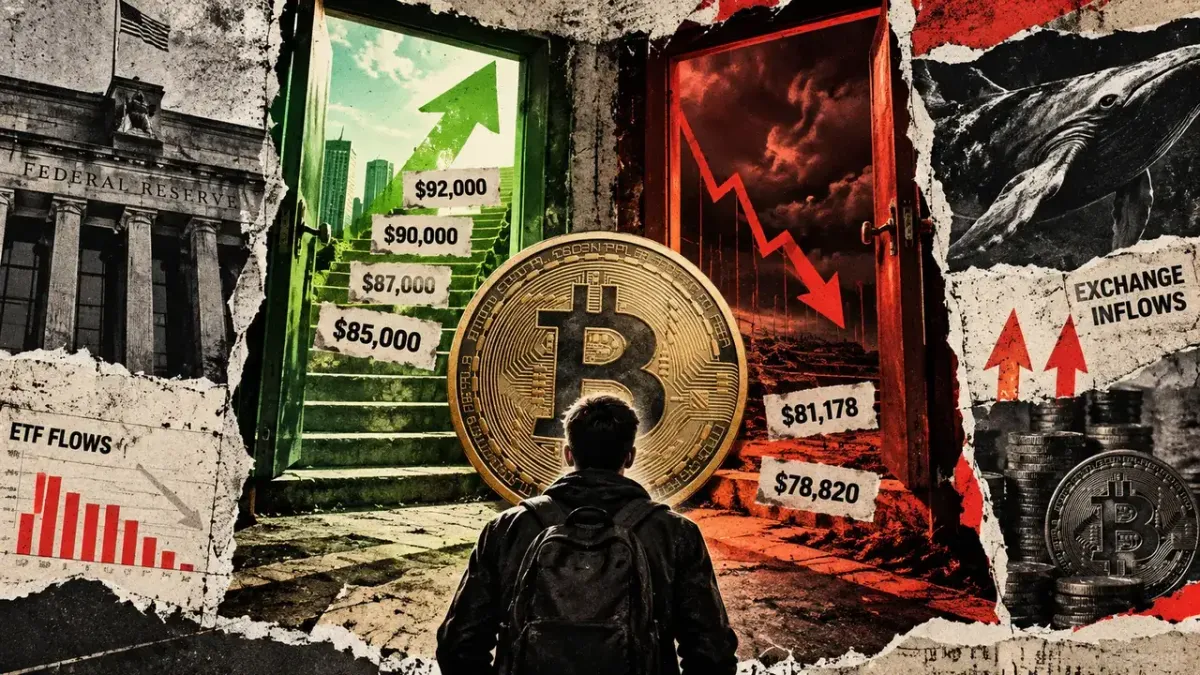
Bitcoin's weekly close above $81,000 signals potential rise to $90,000

Elon Musk's X integrates bitcoin trading options for U.S. users
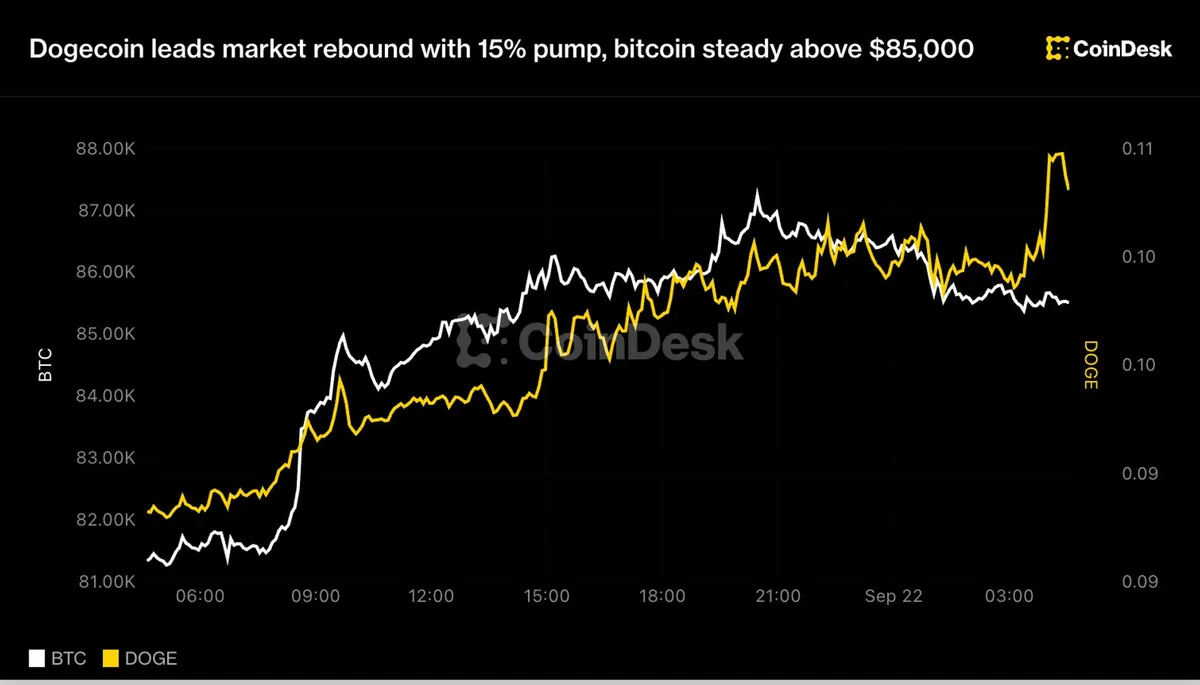
Dogecoin's 15% surge drives market recovery as bitcoin stabilizes above $85,000

Cardano adds tools for AI agent payments, joining Solana and XRP Ledger

Trueo prediction market moves from Base to Ethereum