Bitcoin slides to April lows as crypto diverges from record-chasing U.S. equities
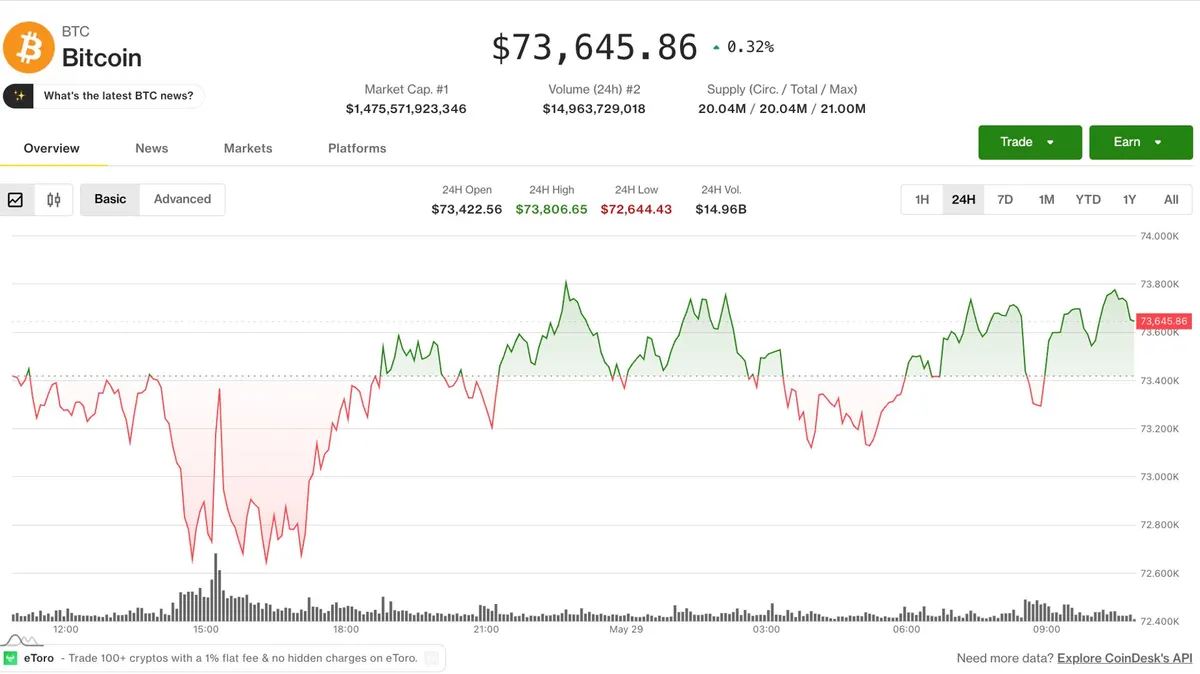
Bitcoin has recently experienced a significant decline, sliding to levels not seen since April. This downturn follows a failed attempt to break above the critical resistance level of $83,000, which many in the crypto community viewed as a potential turning point for the leading cryptocurrency. Instead of sustaining momentum, Bitcoin's price has faltered, diverging sharply from the upward trajectory of U.S. equities, particularly as the S&P 500 and Nasdaq futures are setting their sights on all-time highs. This disconnection between Bitcoin and traditional markets raises questions about the current state of the cryptocurrency market and its future trajectory.
To understand this phenomenon, it is essential to contextualize the current economic landscape. Throughout 2023, equities have experienced a robust rally, fueled by optimism around interest rates, corporate earnings, and macroeconomic stability. Investors have flocked to stocks, propelling indices like the S&P 500 and Nasdaq to record levels. In contrast, Bitcoin and other cryptocurrencies have struggled to maintain similar bullish momentum, reflecting a growing skepticism among investors regarding digital assets. This divergence is particularly striking given that cryptocurrencies are often seen as alternative investments that could benefit from the same macroeconomic tailwinds driving equities.
The implications of Bitcoin's recent performance are significant for the broader market. Many analysts view the inability of Bitcoin to break through the $83,000 level as a bearish signal, potentially indicating a shift in market sentiment. If Bitcoin continues to fall, it could lead to a broader pullback in the cryptocurrency market, as investors reassess their positions. Additionally, this divergence from equities may challenge the narrative that Bitcoin acts as a hedge against traditional financial markets, leading to increased scrutiny and skepticism from institutional investors.
Industry reaction has been mixed, with some experts expressing concern over Bitcoin's current trajectory. Analysts highlight the importance of market sentiment and investor psychology, suggesting that the recent decline could lead to further selling pressure if confidence wanes. Others, however, argue that Bitcoin's fundamentals remain strong, and that its price movements are part of a natural market cycle. This sentiment echoes the notion that cryptocurrencies are still in a maturation phase, where volatility and corrections are expected as the market seeks equilibrium.
Looking ahead, the cryptocurrency community will be closely monitoring Bitcoin's next moves. The upcoming weeks could be critical; a sustained recovery above the $83,000 level may reinvigorate bullish sentiment, while further declines could solidify bearish trends. Analysts will also keep an eye on external factors, such as regulatory developments and macroeconomic indicators, which could influence both Bitcoin and the broader cryptocurrency market. As we navigate this complex landscape, one thing remains certain: the relationship between cryptocurrencies and traditional markets will continue to evolve, and how they respond to current economic conditions will be pivotal in shaping future price trajectories.

CoinMagnetic Team
Crypto investors since 2017. We trade with our own money and test every exchange ourselves.
Updated: May 2026
From our insights:
Related news

Bitcoin's weekly close above $81,000 signals potential rise to $90,000

Elon Musk's X integrates bitcoin trading options for U.S. users
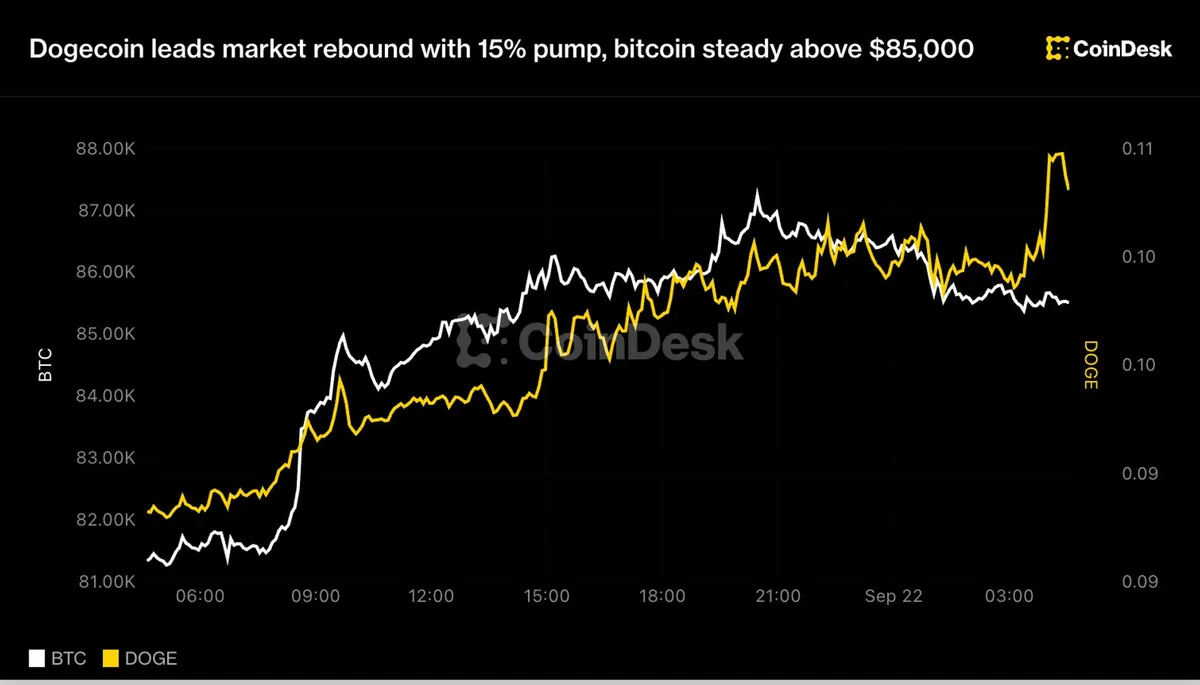
Dogecoin's 15% surge drives market recovery as bitcoin stabilizes above $85,000

Cardano adds tools for AI agent payments, joining Solana and XRP Ledger

Trueo prediction market moves from Base to Ethereum