Bitcoin slides below $79K on macro fears: Can fixed-income outflows save it?

Bitcoin has recently slipped below the $79,000 mark, primarily driven by persistent macroeconomic uncertainties and geopolitical tensions, particularly surrounding the conflict in Iran. Investors are grappling with rising inflation rates and potential interest rate hikes from central banks, leading many to reassess their risk exposure. The downward trend in Bitcoin's price has raised concerns among traders and analysts alike, with some suggesting that this could represent a pivotal moment for the cryptocurrency market as it navigates through these turbulent waters.
The backdrop of this decline is marked by a broader economic landscape characterized by fluctuating interest rates and inflationary pressures that have led to a reassessment of fixed-income investments. This environment has created a challenging atmosphere for risk assets, including cryptocurrencies. Historically, Bitcoin has been viewed as a hedge against inflation and economic instability, yet the current market conditions have forced many investors to reconsider their strategies, especially with the looming possibility of increased volatility stemming from geopolitical issues.
This situation is significant for the market for several reasons. Firstly, Bitcoin's ability to maintain its previous highs amid macroeconomic pressures will be closely watched by both institutional and retail investors. A sustained decline could lead to further sell-offs, while any signs of recovery could signal a renewed confidence in cryptocurrencies as a viable alternative investment. Additionally, the potential outflows from fixed-income markets could provide a much-needed influx of capital into Bitcoin, offering a lifeline to the struggling asset and potentially igniting a medium-term rebound.
Industry experts have expressed mixed feelings regarding the current market dynamics. Some analysts argue that the current macroeconomic environment may serve as a test for Bitcoin's resilience and long-term viability. Others caution that if geopolitical tensions escalate, they could further exacerbate market volatility, hindering Bitcoin's recovery efforts. Notably, the sentiment among traders is cautiously optimistic, with an eye on fixed-income market trends, as any significant outflows could lead to renewed interest in Bitcoin and other cryptocurrencies.
Looking ahead, the key question remains whether the anticipated outflows from fixed-income investments will materialize and provide the necessary support for Bitcoin's recovery. As investors continue to monitor macroeconomic indicators and geopolitical developments, the cryptocurrency market will likely remain in a state of flux. The coming weeks will be crucial in determining whether Bitcoin can reclaim its position above $79,000 or if it will continue to face downward pressure amid ongoing uncertainties.

CoinMagnetic Team
Crypto investors since 2017. We trade with our own money and test every exchange ourselves.
Updated: May 2026
From our insights:
Related news

Bitcoin's weekly close above $81,000 signals potential rise to $90,000

Elon Musk's X integrates bitcoin trading options for U.S. users
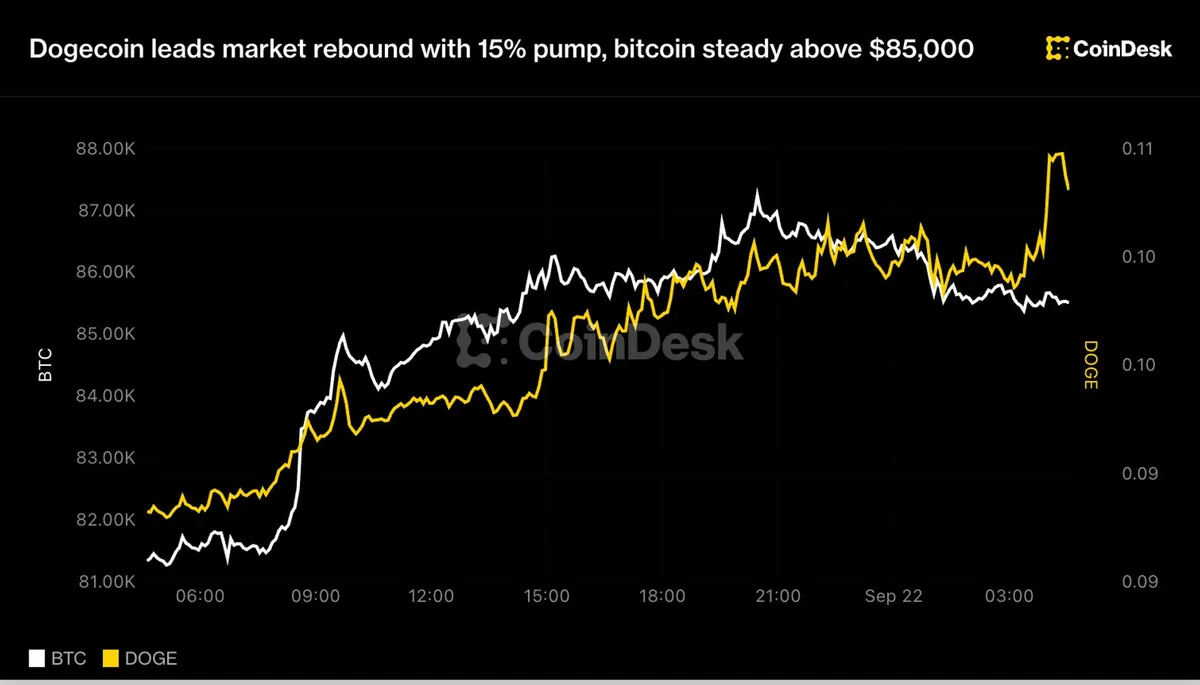
Dogecoin's 15% surge drives market recovery as bitcoin stabilizes above $85,000

Cardano adds tools for AI agent payments, joining Solana and XRP Ledger

Trueo prediction market moves from Base to Ethereum