Bitcoin’s selloff is creating the short-heavy setup that could reverse it fast

Bitcoin is currently facing significant selling pressure as a confluence of factors has emerged to impact its spot market liquidity. This includes simultaneous asset distribution by exchange-traded funds, short-term speculators, and cryptocurrency miners, all of which are contributing to a drastic reduction in market demand. Over the last week, Bitcoin's price has dropped by approximately 12%, marking one of the steepest declines since the collapse of the Terra/Luna ecosystem in 2022. The current situation sets a stage where increased short positions could lead to a rapid reversal in price if demand were to strengthen, as the market may be oversold.
To understand the implications of this selloff, it’s crucial to consider the broader context of Bitcoin’s market dynamics. The coordinated nature of the selloff is notable; ETF inflows and outflows can significantly impact liquidity, while miners often sell assets to cover operational costs or to capitalize on price movements. This multifaceted approach to liquidity reduction has created a precarious environment reminiscent of past market crises. As investors react to the ongoing volatility, the psychological aspect of market sentiment plays a pivotal role in driving price fluctuations.
The significance of this situation for the cryptocurrency market cannot be overstated. A short-heavy setup, characterized by a high volume of short positions, indicates that many traders are betting against Bitcoin. However, if a sudden influx of buying pressure occurs–whether from retail investors or institutional players–this could trigger a rapid price reversal. Market participants should be aware that such scenarios can lead to short squeezes, where those holding short positions are forced to buy back Bitcoin at higher prices, leading to further upward momentum.
Industry reactions to the current selloff have been varied. Some analysts argue that the market is simply undergoing a necessary correction after a prolonged period of growth, while others express concern over the potential for a more prolonged downturn. Experts have pointed out that while the selling pressure is substantial, the fundamentals of Bitcoin–such as network activity and adoption–remain robust. This dichotomy in sentiment highlights the uncertainty that currently permeates the market, as traders and investors navigate the implications of both technical and fundamental factors.
Looking ahead, the key question is how Bitcoin will respond to this intense selling pressure in the near term. Should demand return, especially with a possible influx of new retail or institutional investors, we might see a swift recovery. Conversely, if selling continues unabated, Bitcoin could face further declines. The coming weeks will be critical in determining the next steps for Bitcoin, as the market grapples with these opposing forces and seeks to find a balance amid the ongoing volatility.

CoinMagnetic Team
Crypto investors since 2017. We trade with our own money and test every exchange ourselves.
Updated: June 2026
From our insights:
Related news
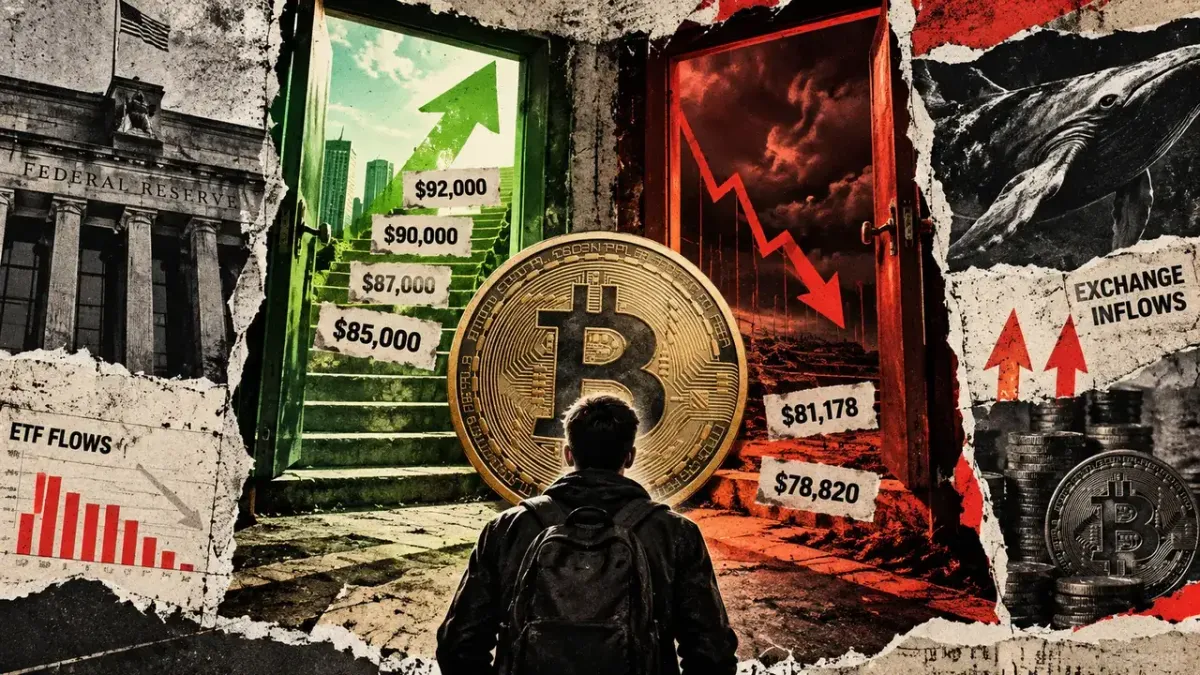
Bitcoin's weekly close above $81,000 signals potential rise to $90,000

Elon Musk's X integrates bitcoin trading options for U.S. users
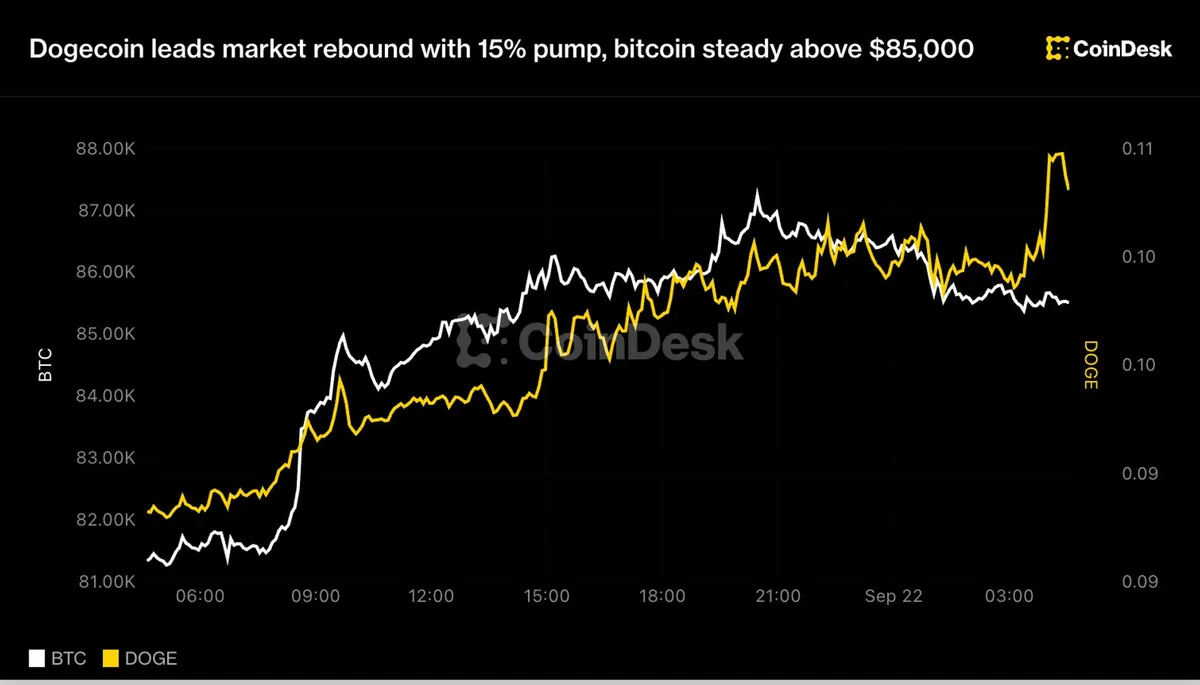
Dogecoin's 15% surge drives market recovery as bitcoin stabilizes above $85,000

Cardano adds tools for AI agent payments, joining Solana and XRP Ledger

Trueo prediction market moves from Base to Ethereum