Wider fee gaps in Bitcoin blocks linked to security risks and delays
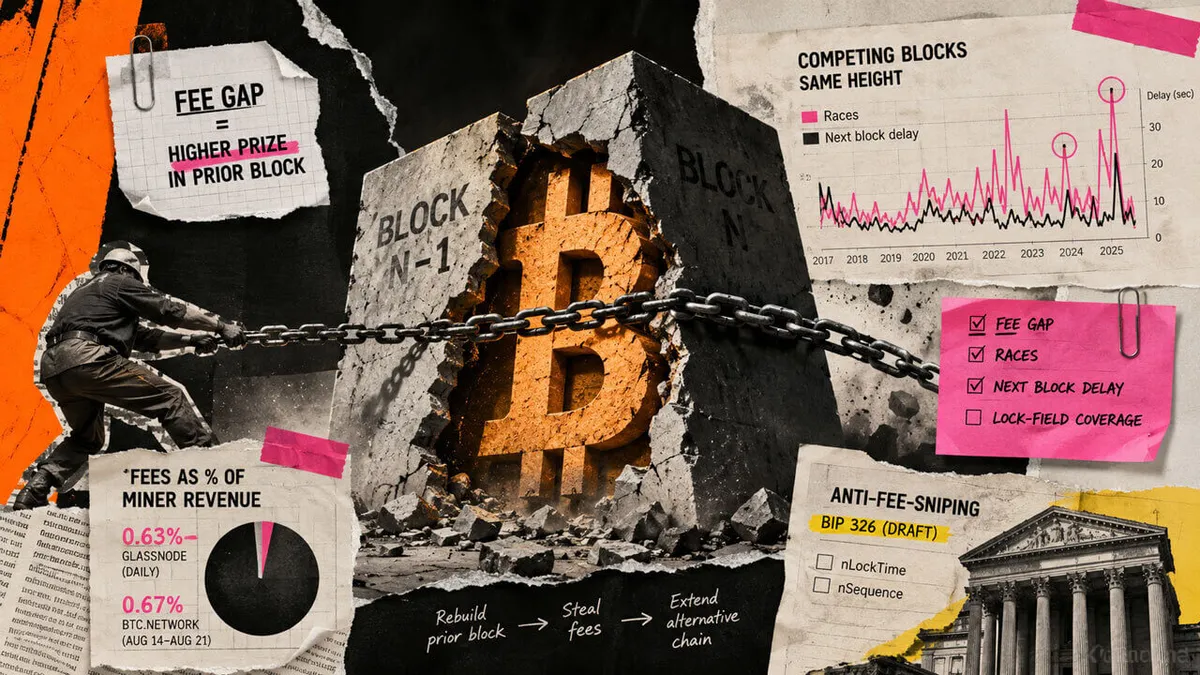
Recent research has unveiled a significant security risk in Bitcoin's blockchain, highlighting the consequences of fee disparities between consecutive blocks. The findings indicate that when one block receives substantially higher transaction fees compared to its adjacent block, it can trigger a phenomenon known as block races. This situation leads to slower arrivals of the immediate next block, which poses potential vulnerabilities for the network.
To understand the implications of this research, it is crucial to delve into the mechanics of Bitcoin's transaction processing. Each block in the Bitcoin blockchain can contain transactions that include varying fees, which incentivize miners to prioritize certain transactions over others. When there is a notable difference in fees between two adjacent blocks, it can create competition among miners, resulting in irregular block production times. This inconsistency can create a less stable environment for transaction confirmations, raising concerns about the overall security of the network.
This discovery matters for the market as it underscores the complexities involved in Bitcoin's fee structure and its effect on transaction speed and security. A more volatile fee environment could deter users from engaging with the network, particularly those who rely on timely confirmations for their transactions. If a pattern of significant fee gaps emerges, it could lead to decreased confidence in Bitcoin’s reliability as a medium of exchange or store of value, thus impacting its price stability and adoption rates.
Industry experts have begun to weigh in on these findings, emphasizing the need for potential adjustments to Bitcoin’s fee structure or mining incentives. Some analysts argue that addressing these fee disparities could enhance the security of the network and improve user experience. Others caution that any changes must be approached with care to avoid unintended consequences that could further complicate the ecosystem.
Looking ahead, it will be interesting to see how the Bitcoin community responds to this research. As discussions around scalability and security continue to evolve, there may be calls for more comprehensive solutions to ensure the network remains robust against potential risks. The impact of these findings could prompt further studies and encourage developers to explore ways to optimize the fee model while maintaining the integrity and security of the Bitcoin network.

CoinMagnetic Team
Crypto investors since 2017. We trade with our own money and test every exchange ourselves.
Updated: August 2026
From our insights:
Related news

Kalshi reviews three Trump press secretary bets totaling 173 dollars ahead of official news

French committee adopts stablecoin swap and exit taxes before rejecting budget

CFTC seeks to classify event contracts as swaps amid ongoing legal battles

OpenAI and Anthropic war-game AI cyberattacks to prepare rapid congressional briefings

Blockchain.com applies for US licenses to launch event contracts and futures