Bitcoin’s next parabolic run may need $1 trillion in fresh capital

Recent analysis suggests that Bitcoin may require an influx of approximately $1 trillion in fresh capital to sustain its next parabolic run. Currently, the cryptocurrency has experienced a remarkable gain of around 689% this cycle, fueled by about $697 billion in new investments. This performance, while impressive, pales in comparison to earlier market cycles where significantly less capital led to astronomical returns of up to 50,000%. As the market matures, the dynamics of investment and returns appear to be shifting, raising questions about the future trajectory of Bitcoin and the broader cryptocurrency market.
To understand this situation better, it's essential to consider the historical context of Bitcoin's price movements. In its earlier days, Bitcoin saw explosive growth with relatively minimal investment–often driven by speculative trading and nascent interest in blockchain technology. The substantial returns from those cycles were a reflection of the market's infancy and the overwhelming excitement around digital assets. However, as Bitcoin and other cryptocurrencies have gained mainstream acceptance, the influx of capital has become more substantial yet less explosive, suggesting a saturation point in the market where new money is needed for further significant gains.
This need for a $1 trillion boost is particularly noteworthy as it highlights the changing landscape of crypto investing. The market's growth has become increasingly dependent on institutional investments and larger capital inflows, rather than the retail-driven speculative fervor of the past. For investors and stakeholders, understanding this new capital requirement is crucial, as it may indicate a shift in strategy for asset allocation and market positioning in the future. The implications of this requirement could influence both investor sentiment and market momentum in the coming months.
Industry experts have weighed in on this topic, noting that while the required capital might seem daunting, it could also be a sign of maturity in the market. Some analysts believe that as Bitcoin continues to establish itself as a digital asset class, institutional investors could be more inclined to allocate larger sums, especially as regulatory clarity improves. Others caution that the need for such a significant influx could indicate potential volatility, as the market may struggle to attract new capital at the same pace as in previous cycles.
Looking ahead, the cryptocurrency community is left pondering what measures might be taken to attract this fresh capital. Strategies could include enhanced marketing efforts, broader education on the benefits of Bitcoin, and the development of new financial products that appeal to institutional investors. As the market navigates these challenges, the focus will likely remain on how to adapt to the evolving landscape and whether Bitcoin can continue to captivate both new and existing investors without the explosive returns seen in its earlier days.

CoinMagnetic Team
Crypto investors since 2017. We trade with our own money and test every exchange ourselves.
Updated: July 2026
From our insights:
Related news

Peirce's departure poses a challenge to U.S. crypto regulatory future
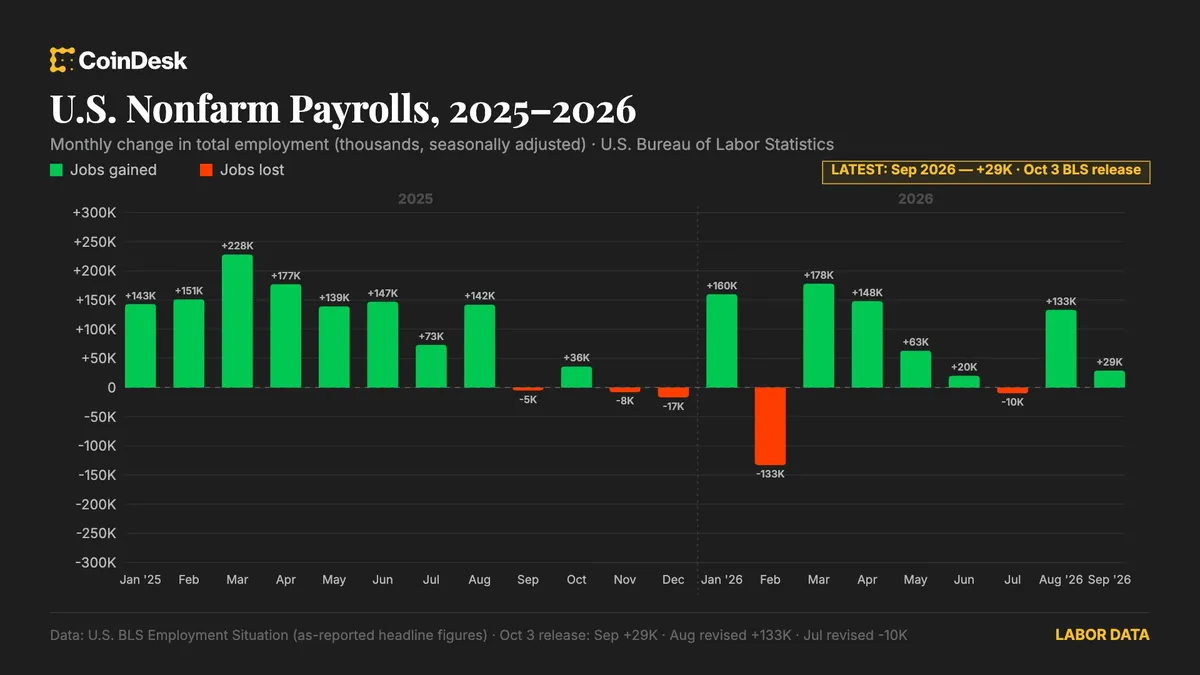
September jobs report shows only 29,000 jobs added, unemployment at 4.2%

Bitcoin gains 43% as US 10-year Treasury yield reaches 5.34%

Cboe aims to create perpetual trading for VIX volatility index
US aims to disrupt Russia's A7 Network by cutting off crypto funding sources