Bitcoin’s Iran rally faces Japan rate test as it weighs 31-year high

Bitcoin has recently experienced a significant relief rally, largely attributed to a framework agreement between the United States and Iran aimed at de-escalating their longstanding conflict. This agreement has led to the reopening of the vital Strait of Hormuz, a critical chokepoint for global oil shipments. In reaction to this geopolitical development, Brent crude oil prices dropped by approximately 5%, settling around $82.95. This decline in oil prices has influenced various assets, particularly those tied to inflation expectations, creating a ripple effect across markets. Bitcoin has notably soared, reaching an intraday high close to $67,300, a level it hasn't seen in some time.
To understand the current dynamics, it’s essential to consider the historical context surrounding Bitcoin and its relationship with geopolitical events. Over the years, Bitcoin has often been viewed as a hedge against instability and inflation, attracting investors looking for alternative stores of value. The recent agreement between the US and Iran marks a significant shift in Middle Eastern geopolitics, which could have broader implications for global markets. As tensions ease, investors are recalibrating their expectations for inflation and risk, potentially leading to increased interest in Bitcoin as a digital asset.
The implications of this rally are noteworthy for the broader cryptocurrency market. Bitcoin's ascent could signal renewed investor confidence, particularly as it approaches a 31-year high. This uptick may encourage institutional investors to re-enter the market, further driving demand. Additionally, as Bitcoin often leads the charge in market trends, a sustained rally could pull up altcoins and related digital assets, potentially reshaping the market landscape. However, with Japan's interest rate decisions looming, the sustainability of this rally remains in question.
Experts have weighed in on the recent developments, suggesting that while the geopolitical agreement is positive for Bitcoin in the short term, external factors such as monetary policy in Japan could either bolster or hinder its momentum. Analysts caution that any indication of tightening monetary policy from Japan may lead to market volatility, impacting Bitcoin's performance. The sentiment among traders is mixed, with some expressing optimism about Bitcoin's potential upside while others remain wary of external economic pressures.
Looking ahead, market participants will be closely monitoring Japan's interest rate decisions and any further developments in US-Iran relations. If the geopolitical landscape continues to stabilize, we may see Bitcoin cement its recent gains and attract further investment. Conversely, any signs of rising interest rates or renewed geopolitical tensions could challenge the current rally. As always, the crypto market remains dynamic, and the coming weeks will be crucial in determining Bitcoin's trajectory amidst these evolving circumstances.

CoinMagnetic Team
Crypto investors since 2017. We trade with our own money and test every exchange ourselves.
Updated: June 2026
From our insights:
Related news
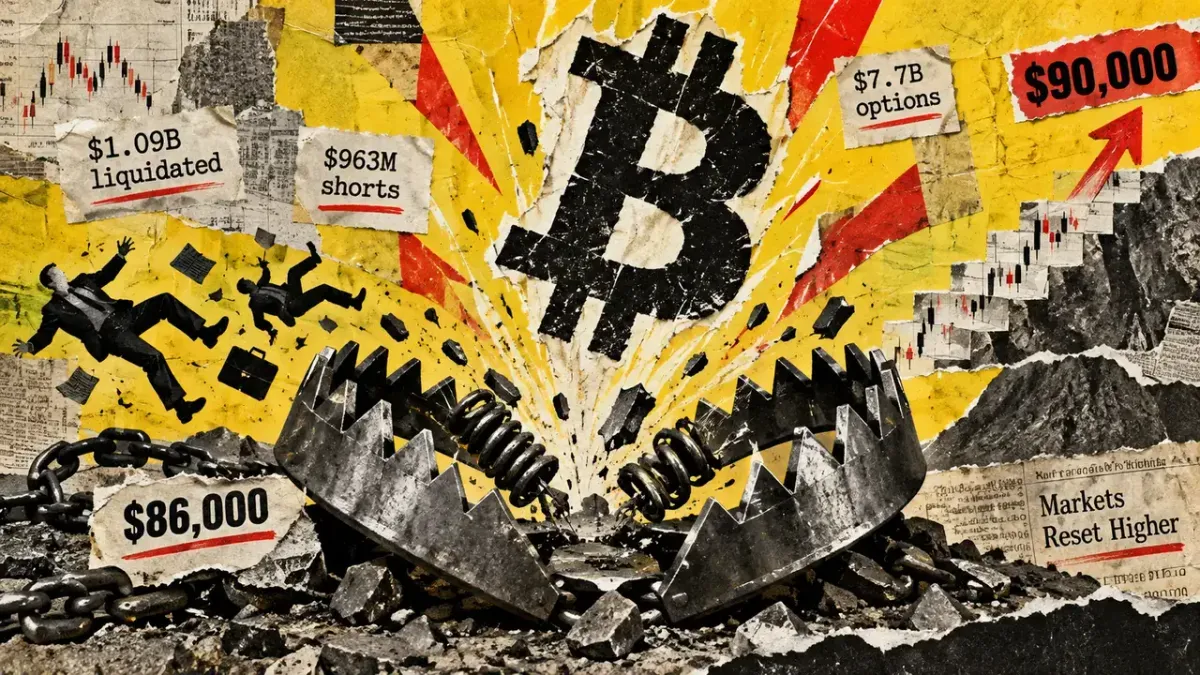
Bitcoin surges past $86,000 as $1 billion in shorts are liquidated, eyes on $90,000
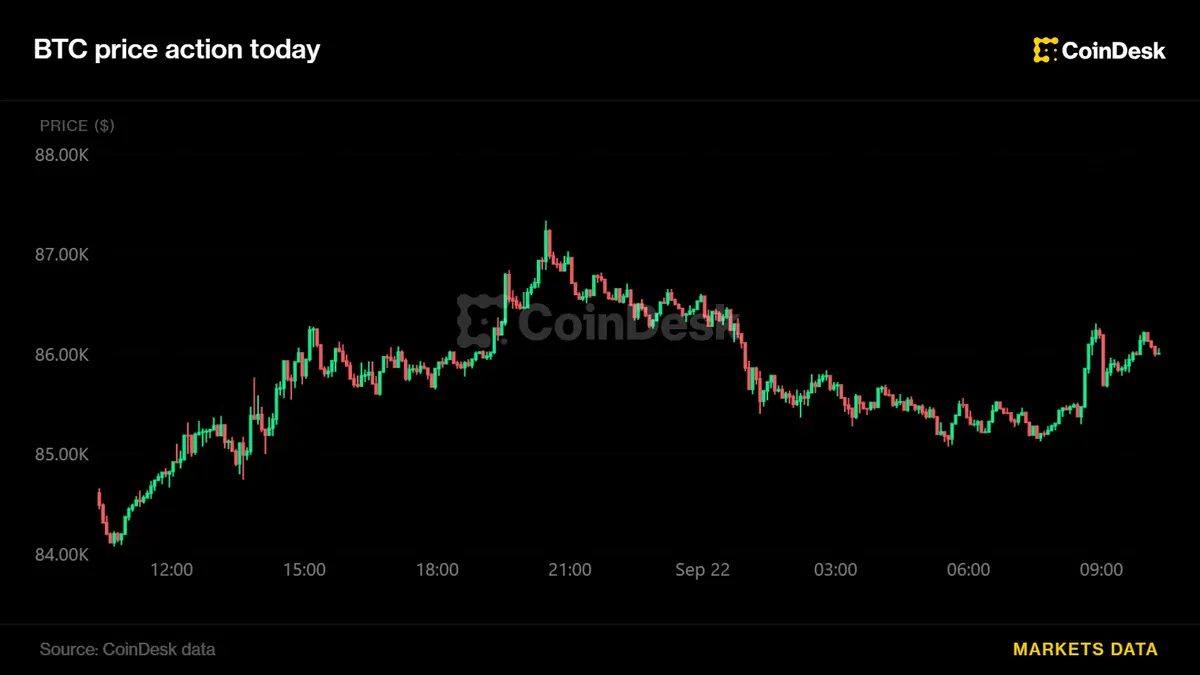
Bitcoin bounces back to $86,000 as oil prices decline and stocks rise

Prediction markets projected to reach $10 trillion by 2035, surpassing sports
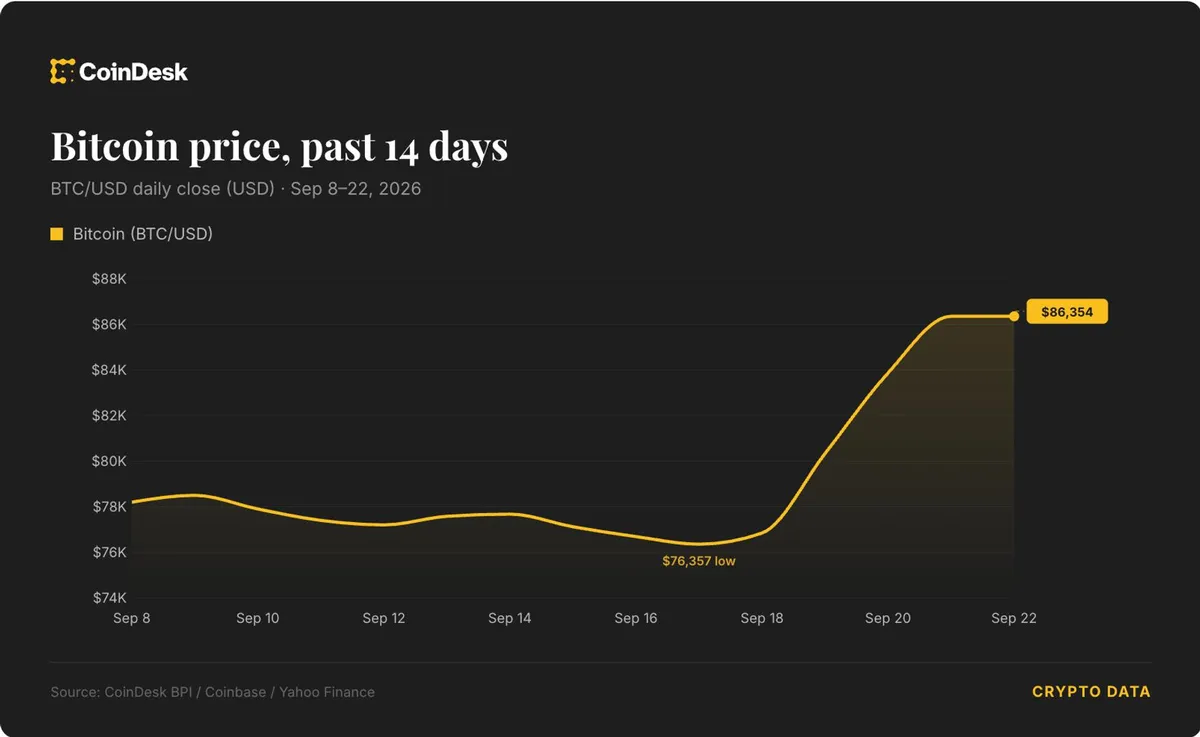
Iran hints at reopening Strait of Hormuz, WTI oil drops to $89
New altseason signal emerges as Bitcoin market cap stays under 60%