Bitcoin's inflation quagmire gets stickier as renewed MidEast conflict sends oil price soaring

As the geopolitical landscape in the Middle East becomes increasingly volatile, Bitcoin faces a complex inflation dilemma. The recent resurgence of conflict in the region has led to a significant spike in oil prices, causing ripples across global markets. With oil trading at its highest levels in months, concerns regarding inflation have re-emerged, putting additional pressure on Bitcoin as a hedge against traditional fiat currencies. Investors are now monitoring how these developments will influence Bitcoin's price movements, as the cryptocurrency has historically reacted to macroeconomic shifts.
To understand the current situation, it is essential to consider the broader context of Bitcoin's relationship with inflation and commodity prices. Over the years, Bitcoin has gained popularity as a digital asset that some see as a safeguard against inflation, particularly during periods where fiat currencies weaken. However, the cryptocurrency's volatility often undermines its effectiveness as a stable store of value. The ongoing tensions in the Middle East, coupled with the soaring oil prices, have rekindled fears of inflation, prompting many to reassess their positions in both Bitcoin and traditional assets.
This situation is particularly significant for the crypto market, as rising inflation typically leads to increased demand for assets perceived as inflation hedges. However, with Bitcoin's unique market dynamics, it remains unclear whether the cryptocurrency will be able to maintain its status as a reliable alternative during economic uncertainty. The interplay between rising oil prices and Bitcoin's response could set the stage for heightened volatility in the coming weeks, as investors navigate the complexities of both the crypto and traditional financial markets.
Industry experts are weighing in on the potential implications of this renewed conflict and its effect on Bitcoin. Some analysts suggest that the cryptocurrency could experience a short-term dip as investors react to the unfolding crisis, while others argue that Bitcoin's long-term value proposition remains intact. The sentiment in the market appears divided, with some seeing this as an opportunity to accumulate Bitcoin at lower prices, while others caution against the inherent risks associated with investing during periods of geopolitical uncertainty.
Looking ahead, the situation remains fluid, and investors will need to stay vigilant as developments in the Middle East continue to unfold. The relationship between oil prices and Bitcoin will be closely monitored, as any further escalation could lead to significant fluctuations in both markets. As we move forward, the crypto community will be watching to see if Bitcoin can solidify its role as a hedge against inflation or if it will struggle amid the ongoing economic turbulence.

CoinMagnetic Team
Crypto investors since 2017. We trade with our own money and test every exchange ourselves.
Updated: July 2026
From our insights:
Related news
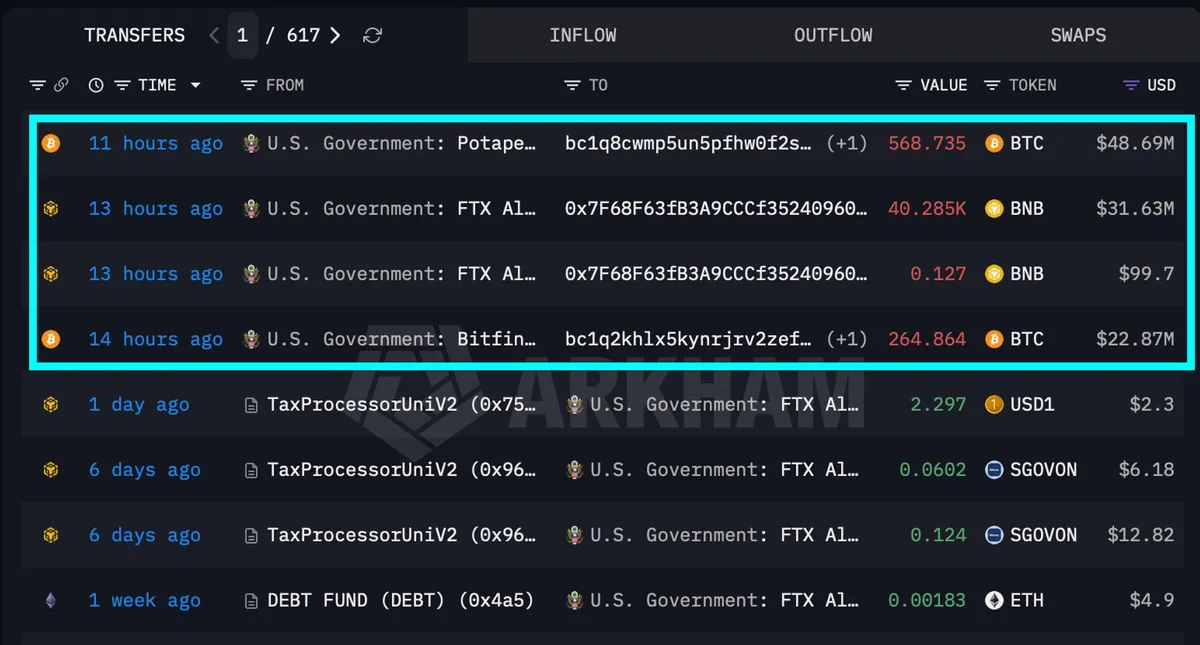
U.S. government transfers over $100 million in BTC and BNB amid speculation

Kalshi's gold markets see 542 million contracts, surpassing Ether's 318 million

Bitcoin drops under $84,000 threshold amid rising oil prices from tanker attacks

Bitcoin dips under $84,000 as long liquidations hit $487 million

Bitcoin.de trading remains halted as German regulator rejects MiCA application