Bitcoin’s hard-money thesis is colliding with 5% Treasury yields

The recent surge in U.S. Treasury yields, now reaching around 5%, has sparked significant debate regarding Bitcoin's role as a hard-money asset. Originally designed as a hedge against the instability of fiat currencies and the negative consequences of excessive government borrowing, Bitcoin’s foundational thesis is being tested in the current financial climate. As investors weigh the risk and reward of holding Bitcoin versus relatively safer U.S. Treasuries, the implications for the cryptocurrency market are profound. This development suggests that Bitcoin's narrative as a store of value may be challenged when faced with attractive yields from government bonds, leading to a potential shift in investor preferences.
To understand the gravity of this situation, we must consider the historical context of Bitcoin's inception in 2009. The cryptocurrency was born out of the financial crisis and a growing mistrust in traditional monetary systems, primarily driven by reckless fiscal policies and excessive debt accumulation. The premise was that, unlike fiat currencies that can be printed at will, Bitcoin would offer a finite supply, making it a more stable store of value. However, the rise in Treasury yields indicates that investors might find government bonds appealing, especially in a climate where inflation concerns persist alongside rising interest rates.
The implications of this shift are significant for the overall market. If investors begin to favor Treasury yields over Bitcoin, it could lead to a decline in Bitcoin's price and market capitalization. This scenario may ultimately challenge the perception of Bitcoin as "digital gold," a term often used to highlight its potential as a hedge against inflation and economic instability. Moreover, if the trend of rising Treasury yields continues, it could further strain the appeal of Bitcoin among institutional and retail investors alike, forcing a reevaluation of its role in diversified investment portfolios.
Industry experts and analysts have begun to weigh in on these developments, expressing varied opinions on the future of Bitcoin in light of rising Treasury yields. Some argue that this situation could provoke a stronger demand for Bitcoin as a hedge against inflation in the long term, especially if yields begin to stabilize or decline. Others caution that until the macroeconomic landscape changes, Bitcoin may struggle to maintain its momentum as a hard-money asset. The consensus seems to be that while Bitcoin's fundamentals remain strong, its price dynamics will likely be influenced by external factors such as government bond yields in the near term.
Looking ahead, we anticipate that the cryptocurrency market will closely monitor any shifts in Treasury yields and economic policies. If yields level off or decrease, Bitcoin could regain its allure as a hedge against inflation and economic instability. Conversely, a continued rise in yields may require Bitcoin advocates to find new narratives that reinforce its value proposition in the eyes of investors. As always, the evolving dynamics between traditional financial assets and cryptocurrencies will remain a focal point for market participants, shaping the future trajectory of Bitcoin and its peers.

CoinMagnetic Team
Crypto investors since 2017. We trade with our own money and test every exchange ourselves.
Updated: May 2026
From our insights:
Related news
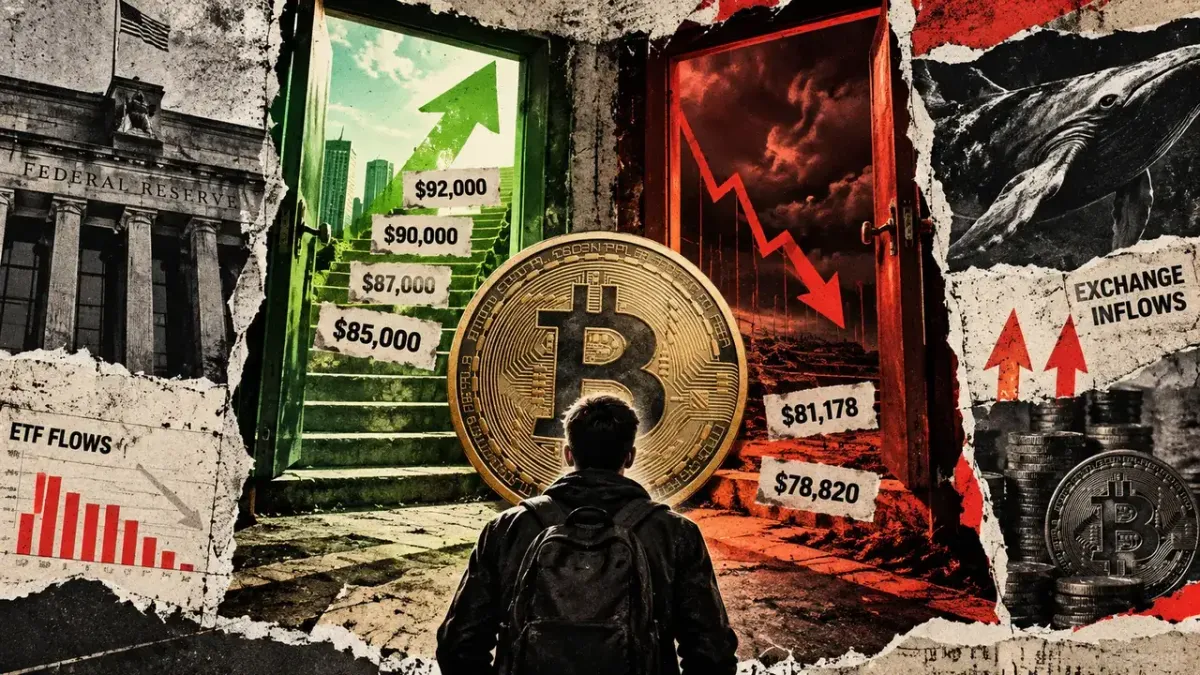
Bitcoin's weekly close above $81,000 signals potential rise to $90,000

Elon Musk's X integrates bitcoin trading options for U.S. users
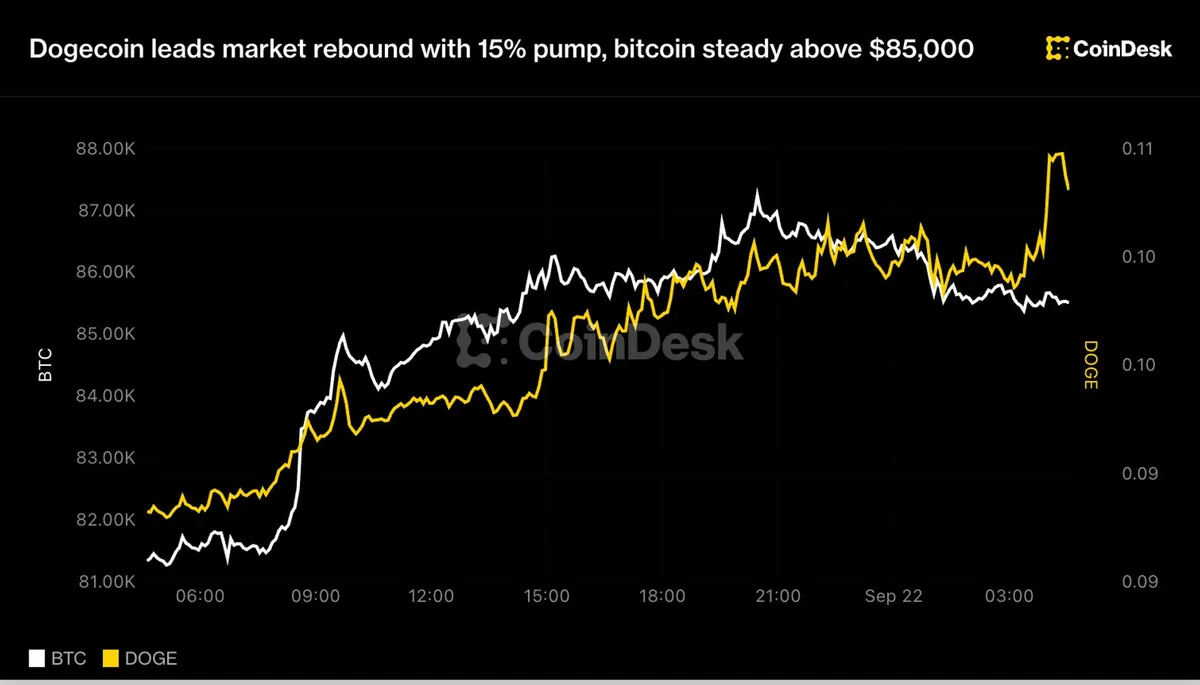
Dogecoin's 15% surge drives market recovery as bitcoin stabilizes above $85,000

Cardano adds tools for AI agent payments, joining Solana and XRP Ledger

Trueo prediction market moves from Base to Ethereum