Bitcoin’s great rotation: Long-term holders pass supply to a new generation of buyers
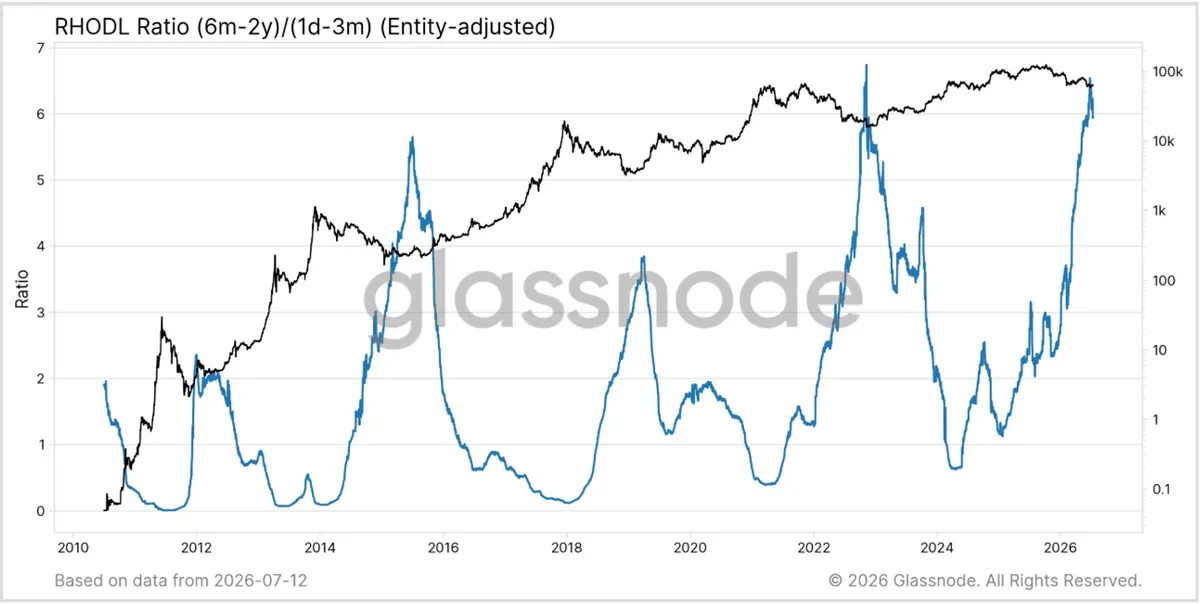
Bitcoin is currently witnessing a significant shift, often referred to as a "great rotation," as long-term holders begin to transfer their supply to a new generation of buyers. This transition marks a pivotal moment in the cryptocurrency market, with seasoned investors selling or reallocating their holdings to younger, less experienced investors. The dynamics of this movement are not merely anecdotal; they reflect broader trends in investor behavior and sentiment surrounding Bitcoin. As these long-term holders cash in or adjust their portfolios, the implications for price stability and market volatility are considerable, particularly with external factors, such as interest rates, at play.
To understand the significance of this rotation, it is crucial to consider the recent history of Bitcoin and its market cycles. Over the past few years, Bitcoin has seen substantial growth, attracting a diverse array of investors. Long-term holders, those who have maintained their positions through various market fluctuations, have contributed to Bitcoin's reputation as a store of value. However, the impending Federal Reserve rate hikes pose a potential threat to this newfound equilibrium. Historically, interest rate changes have influenced market liquidity and investor risk appetite, leading to sharp corrections in asset prices, including cryptocurrencies.
The current market environment raises questions about the potential impact of this rotation on Bitcoin's price trajectory. As long-term holders sell, there is a fear that increased selling pressure could lead to a capitulation event–a scenario where investors panic and sell off their assets en masse. This could create a cascade effect, further driving prices down. Conversely, the influx of new buyers may stabilize the market and provide support at lower price levels. The interplay between these dynamics is critical as traders and investors navigate the uncertain waters ahead.
Industry experts are closely observing these trends, with many expressing a cautious yet optimistic outlook. Some analysts view the transfer of supply as a healthy sign of market maturation, suggesting that new buyers may bring fresh perspectives and innovative use cases for Bitcoin. Others, however, remain skeptical, cautioning against the potential for volatility if the Fed's actions lead to increased uncertainty. The consensus is that while the great rotation is a natural evolution in the market, external economic factors could significantly influence its outcome.
Looking ahead, the key question is how the market will respond to these shifts in supply and demand. The upcoming Federal Reserve meetings and announcements regarding interest rates will be crucial in shaping investor sentiment. Additionally, as the new generation of Bitcoin buyers becomes more prominent, their investment strategies and behaviors may further redefine the landscape. The interplay between these elements will likely determine whether Bitcoin can sustain its momentum or face a more turbulent future.

CoinMagnetic Team
Crypto investors since 2017. We trade with our own money and test every exchange ourselves.
Updated: July 2026
From our insights:
Related news
TD Cowen sees 2028 election timeline threatening new CFTC crypto rules

REA toolkit crosses 100,000 GitHub stars in a week as AI reverse engineering takes off

Crypto committees pour $2.7 million into House races ahead of midterm elections

October macro pressures drag crypto sentiment down to August pre-rally levels

Oil prices near one-month high as geopolitical tensions push bitcoin down 2.2%