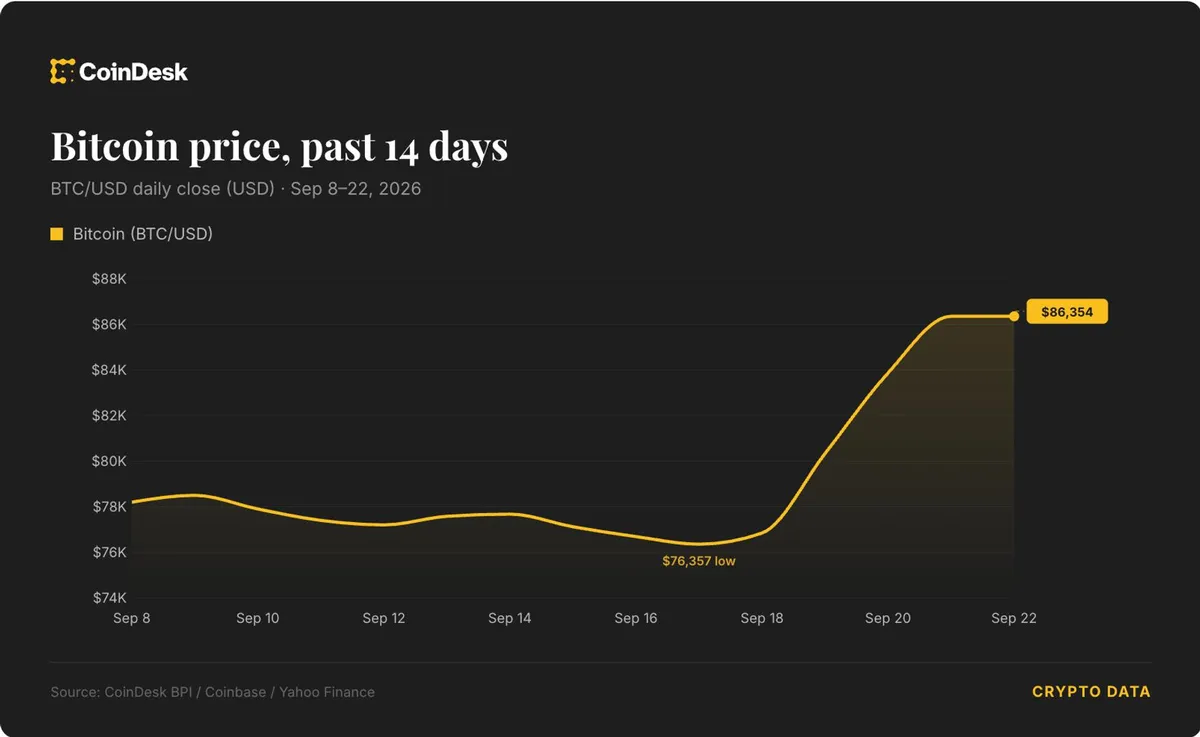
Bitcoin’s floor looks firmer at $80,000, but traders still don’t trust the breakout

Bitcoin has shown signs of resilience, managing to recover from a dip caused by the latest jobs report. As of now, the cryptocurrency hovers around the $80,000 mark, which has become a psychological threshold for many traders. However, despite this bounce-back, analysts at Enflux caution that significant overhead resistance persists, indicating that the upward momentum may not be as robust as it appears. Glassnode's market structure data further complicates the picture, revealing that while traders are indeed buying into this rally, many are simultaneously hedging against potential downward movements, suggesting a lack of confidence in the sustainability of the breakout.
To understand the current situation, it is essential to consider the broader economic context. The job report that initially spurred the dip highlighted mixed signals in the labor market, leading to uncertainty among investors. Typically, job growth can bolster confidence in the economy and, by extension, in risk assets like Bitcoin. However, the mixed nature of the data has left traders wary, especially given the historical volatility of cryptocurrencies. This caution is reflected in the market's reaction, as traders seem to be adopting a more defensive stance, weighing the benefits of buying against the risks of a potential pullback.
The implications of this cautious sentiment are significant for the market. A firm floor at $80,000 could provide a level of stability, attracting more investors who might see this as a buying opportunity. However, the persistent overhead resistance and the duality of buying while hedging could signal that traders are not fully convinced of Bitcoin's long-term bullish potential. This skepticism may contribute to a more choppy trading environment, as market participants navigate the balance between fear and optimism.
Industry experts have had varied reactions to this scenario. Some analysts view the current price action as a healthy consolidation phase, arguing that it could set the stage for future gains. They emphasize the importance of maintaining a strong psychological support level, which could encourage more institutional investment. On the other hand, some skeptics warn that the lack of definitive upward movement could lead to increased volatility, especially if external factors–such as regulatory news or macroeconomic shifts–come into play.
Looking ahead, the key will be whether Bitcoin can break through the overhead resistance that analysts have identified. Should it succeed, it may attract a wave of bullish sentiment and investment, further solidifying the $80,000 floor. Conversely, if traders continue to hedge their bets and the price fails to gain traction, we could see a return to more bearish sentiment in the market. As always, investors will be closely monitoring market signals to guide their strategies in this unpredictable landscape.

CoinMagnetic Team
Crypto investors since 2017. We trade with our own money and test every exchange ourselves.
Updated: May 2026
From our insights:
Related news

SoFi begins stablecoin settlement on Mastercard network for program expected to exceed $25 billion in annualized volume

A $3.2 million 'bitcoin butterfly' option trade bets on $95,000 by the end of October

Bitcoin surges past $86,000 as $1 billion in shorts are liquidated, eyes on $90,000
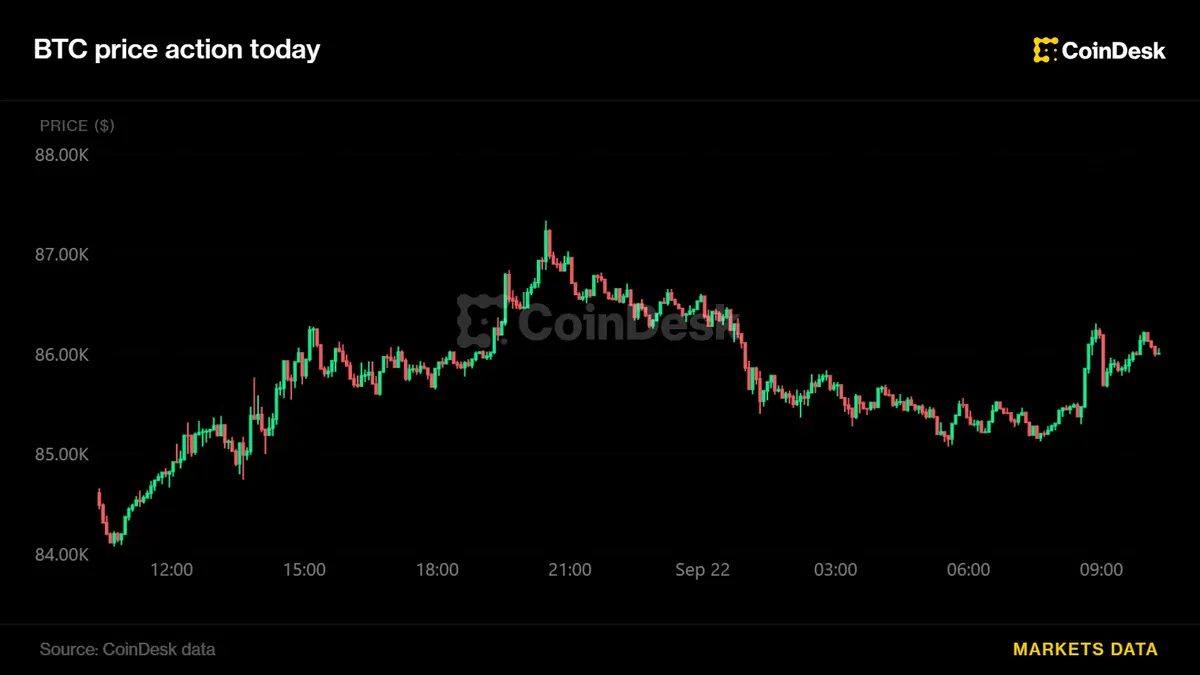
Bitcoin bounces back to $86,000 as oil prices decline and stocks rise

Prediction markets projected to reach $10 trillion by 2035, surpassing sports