Bitcoin’s Fed cut trade flips as bond market turns into the risk

Recent developments in the bond market are causing significant shifts in investor sentiment regarding Bitcoin and its correlation with Federal Reserve policies. According to Bloomberg, bond traders are now fully pricing in an interest rate hike by the Fed by the end of the year, which suggests that market participants are anticipating tighter monetary conditions. Interest rate swaps indicate that the Fed's benchmark rate could be at least 25 basis points higher by the end of 2026. This change in outlook has led to new dynamics in the risk assessments of various assets, including Bitcoin.
To understand the implications of this shift, it's important to consider the historical context of Bitcoin's relationship with interest rates. Traditionally, low interest rates have been viewed as favorable for cryptocurrencies, as they tend to drive investors toward riskier assets in search of higher returns. In contrast, rising interest rates typically lead to a more cautious investment environment, where investors may prioritize the safety of traditional assets like bonds over volatile cryptocurrencies. The recent comments from Fed Governor Christopher Waller, advocating for the removal of the easing bias, further reinforce the idea that the Fed is preparing for a more aggressive stance on interest rates.
This evolving scenario holds significant implications for the cryptocurrency market. As the bond market becomes perceived as a riskier investment due to the anticipated rate hikes, attention may shift back to Bitcoin and other digital assets. Investors often view Bitcoin as a hedge against inflation and currency devaluation, meaning that if bonds lose their appeal, Bitcoin could experience renewed interest as an alternative store of value. However, this transition is not guaranteed, and volatility can be expected as markets adjust to new economic realities.
Industry experts are weighing in on the potential outcomes of this situation. Some analysts suggest that the recent bond market movements could lead to increased institutional interest in Bitcoin, as traditional asset managers seek to diversify their portfolios amidst changing interest rate environments. Others caution that the initial reaction may lead to short-term turbulence in the crypto market, with Bitcoin's price potentially facing downward pressure if investors prioritize cash or safer assets in the wake of rising rates.
Looking ahead, the key question will be how the cryptocurrency market adapts to the shifting landscape. With the Fed's policies likely to influence investor behavior, it will be important to keep an eye on upcoming economic data and Fed announcements. As we move closer to the anticipated rate hikes, both traditional and crypto markets will be closely scrutinized for signs of how these changes will affect risk appetite and asset allocation strategies. The coming months could prove pivotal for Bitcoin, as it seeks to establish its place amid evolving economic conditions.

CoinMagnetic Team
Crypto investors since 2017. We trade with our own money and test every exchange ourselves.
Updated: May 2026
From our insights:
Related news
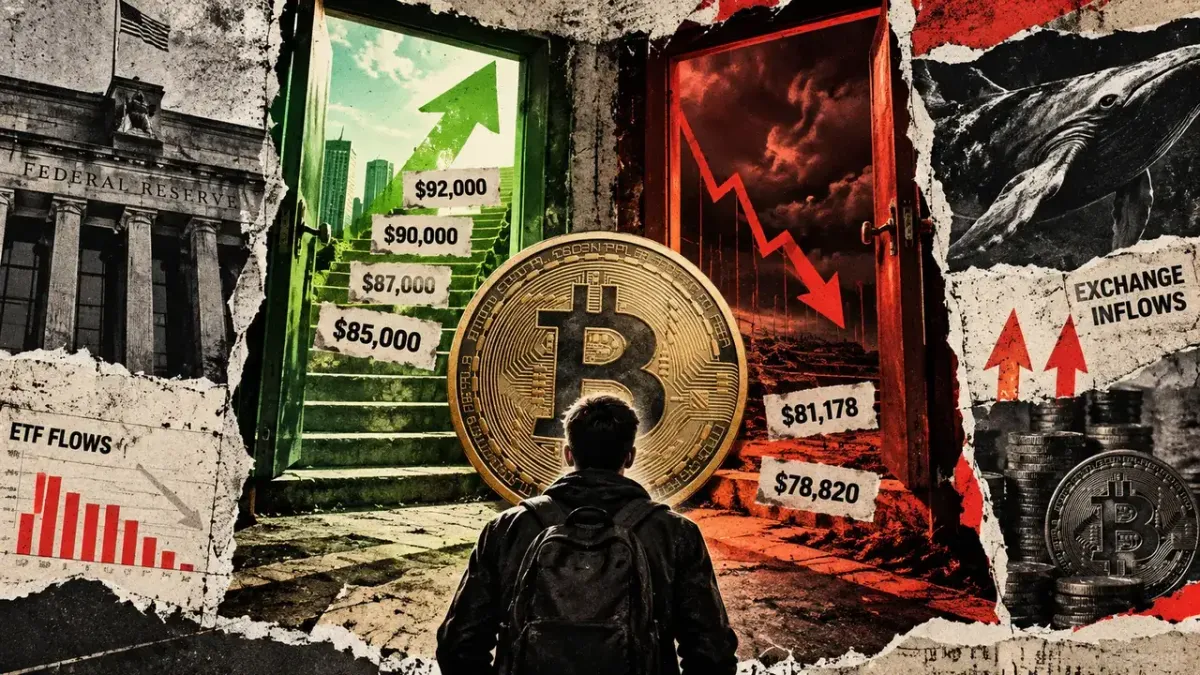
Bitcoin's weekly close above $81,000 signals potential rise to $90,000

Elon Musk's X integrates bitcoin trading options for U.S. users
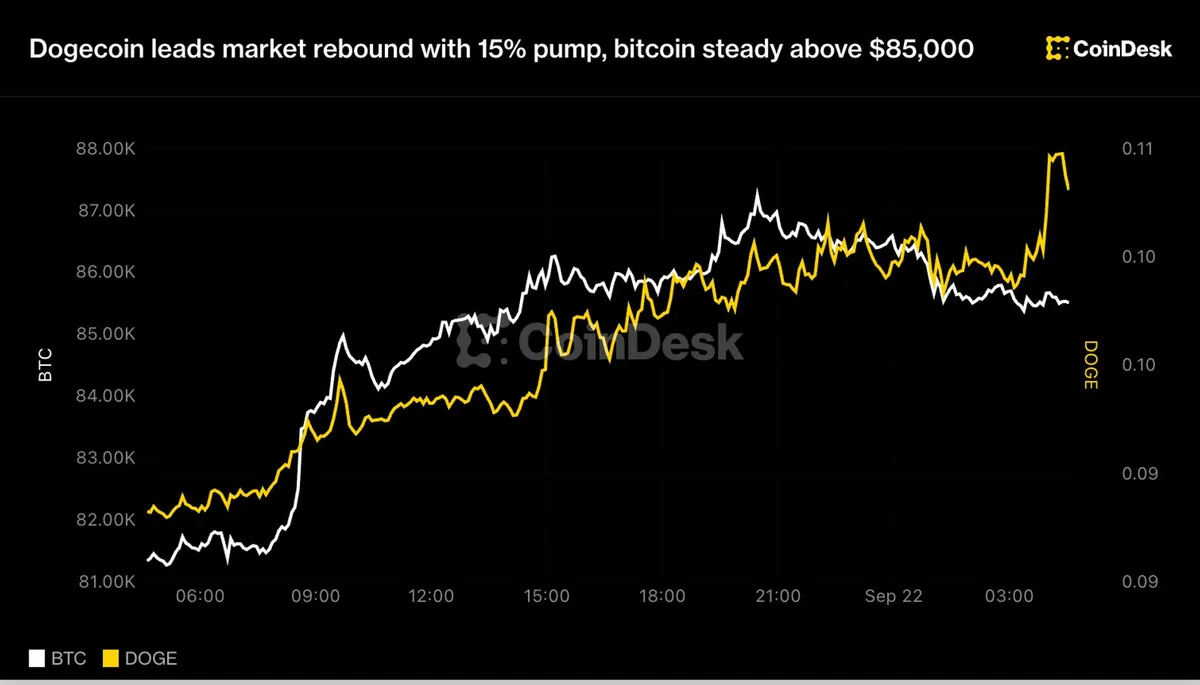
Dogecoin's 15% surge drives market recovery as bitcoin stabilizes above $85,000

Cardano adds tools for AI agent payments, joining Solana and XRP Ledger

Trueo prediction market moves from Base to Ethereum