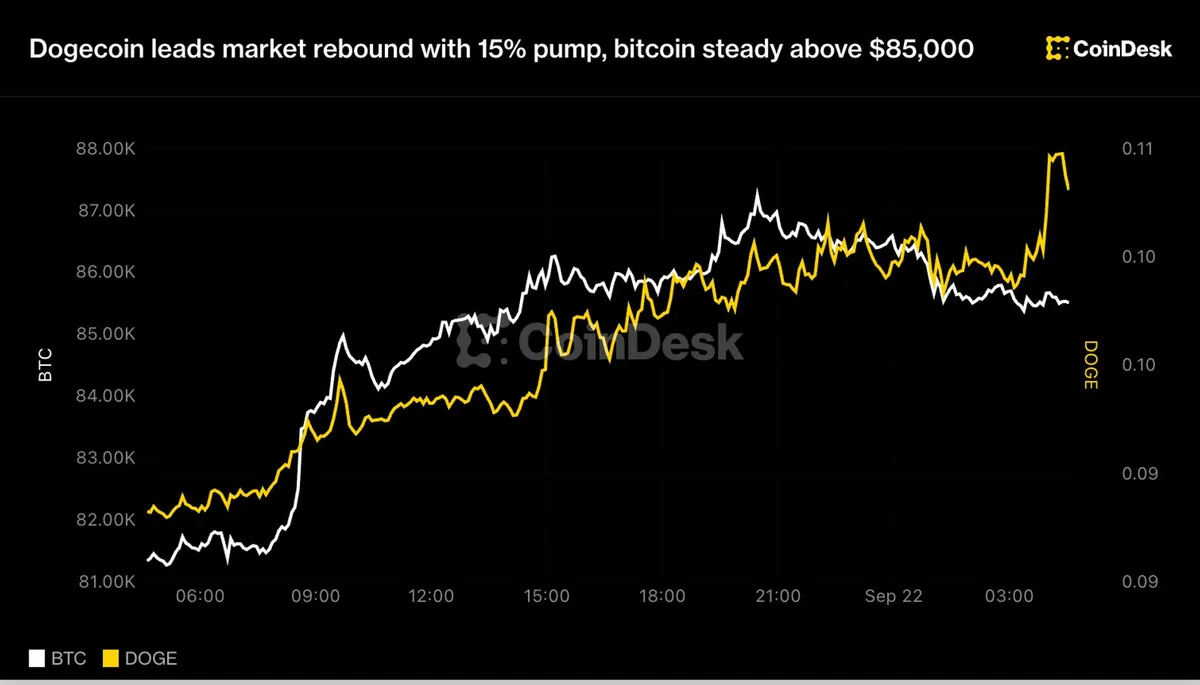
Bitcoin's 'fear gauge' surges nearly 20%, its biggest jump since Feb. 5 crash

Bitcoin's so-called "fear gauge" has surged nearly 20%, marking its most significant increase since the crash on February 5. This spike in volatility and fear sentiment among investors reflects a sudden shift in market dynamics, as traders respond to a variety of factors that have stirred uncertainty in the cryptocurrency space. The gauge, which is closely monitored by market participants, serves as an indicator of investor sentiment and risk perception, indicating a growing anxiety that could impact Bitcoin's price trajectory in the near term.
To understand this recent surge in the fear gauge, it's essential to consider the broader context of the cryptocurrency market over the past few months. Following a period of relative stability and optimism, where prices had shown signs of recovery after the turbulence earlier in the year, the market now faces renewed concerns. Factors contributing to this shift include regulatory developments, macroeconomic indicators, and geopolitical tensions, all of which have historically influenced market sentiment. The transition from a calm market to one characterized by fear can often be rapid, as seen in previous cycles.
This sudden uptick in fear sentiment matters for the market for several reasons. First, it can lead to increased selling pressure as investors look to mitigate risks, which may result in downward price movements for Bitcoin and other cryptocurrencies. Additionally, a high fear gauge can deter new investors from entering the market, further amplifying volatility and uncertainty. This cycle can create a feedback loop where fear begets more fear, complicating recovery efforts and impacting overall market stability.
Industry reactions to this development have been mixed, with some experts emphasizing the need for caution. Many analysts suggest that while fear can lead to short-term volatility, it can also create buying opportunities for long-term investors who see the current dip as a chance to accumulate assets at lower prices. Other voices in the industry caution against underestimating the psychological impact of fear on market behavior, highlighting that history has shown how quickly sentiment can shift and how it can influence price movements substantially.
Looking ahead, the immediate future for Bitcoin and the broader cryptocurrency market hinges on a few key factors. Investors will be closely monitoring regulatory updates and macroeconomic signals that could either exacerbate or alleviate current fears. Additionally, market participants will need to watch for signs of resilience or further deterioration in sentiment as the situation unfolds. If the fear gauge continues to rise, it could prompt more significant market movements, making it crucial for traders and investors to remain vigilant in the coming weeks.

CoinMagnetic Team
Crypto investors since 2017. We trade with our own money and test every exchange ourselves.
Updated: June 2026
From our insights:
Related news
Iran hints at reopening Strait of Hormuz, WTI oil drops to $89

New altseason signal emerges as Bitcoin market cap stays under 60%

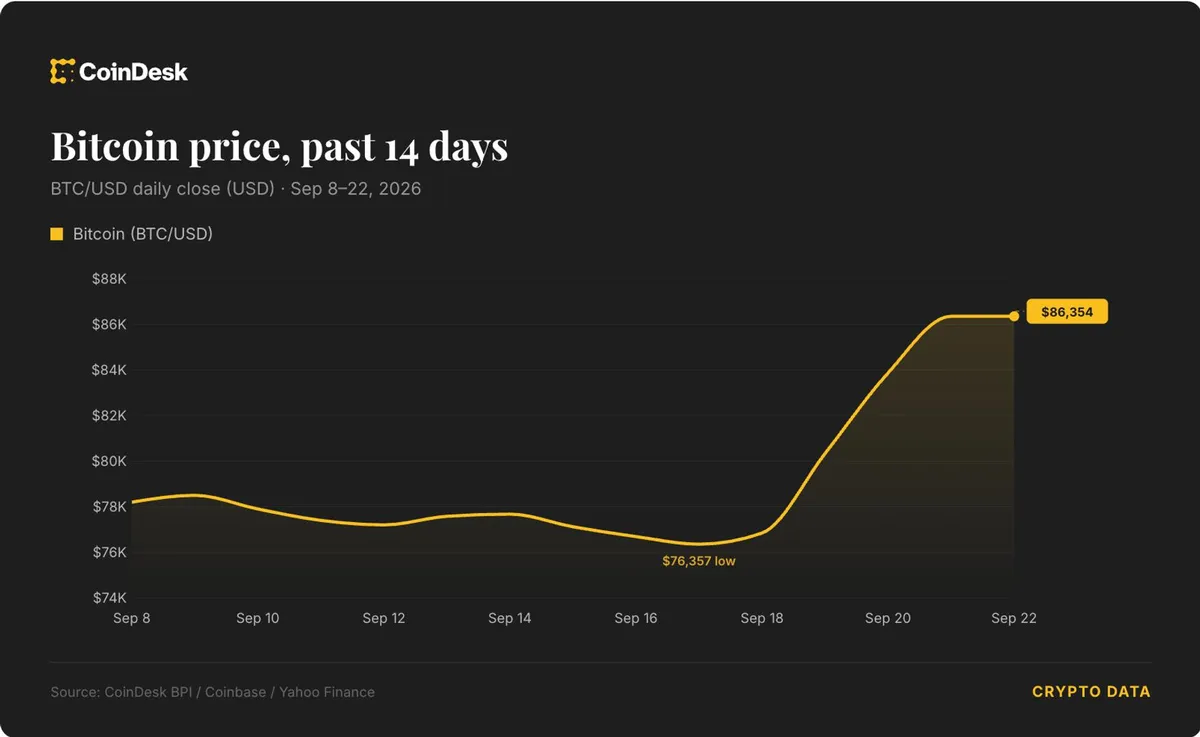
Bitcoin nears $86,000 as crypto market cap surpasses $3 trillion
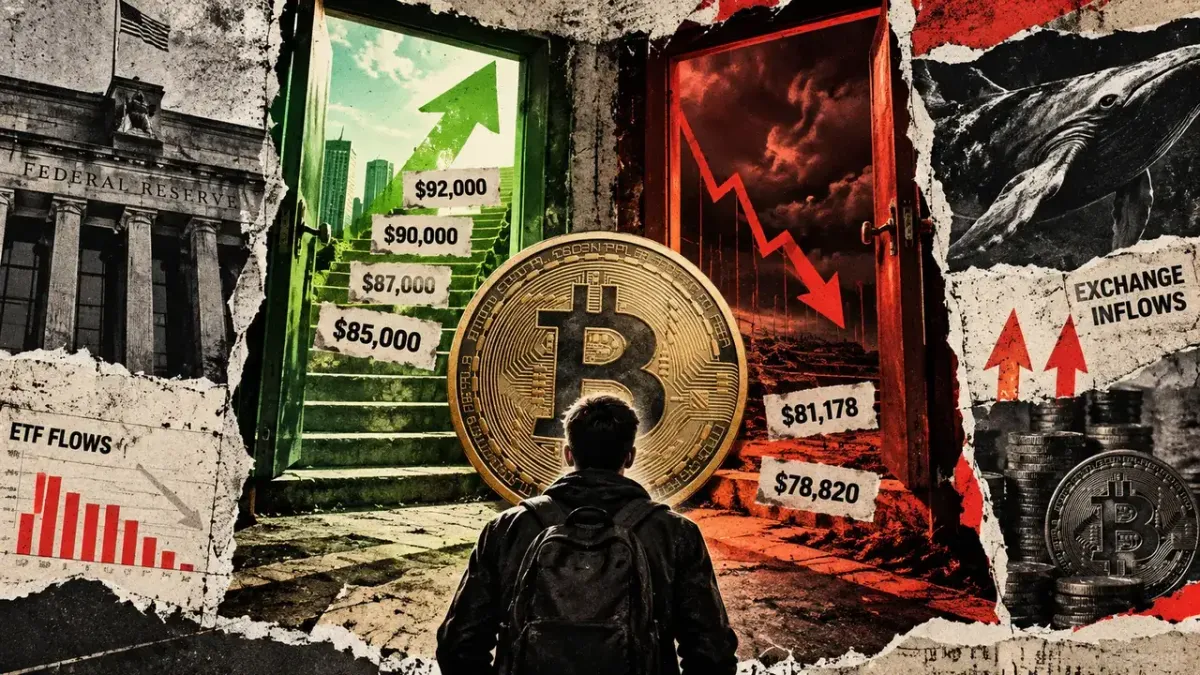
Bitcoin's weekly close above $81,000 signals potential rise to $90,000

Elon Musk's X integrates bitcoin trading options for U.S. users