Bitcoin’s famous CME gaps are about to disappear, though three remain unresolved
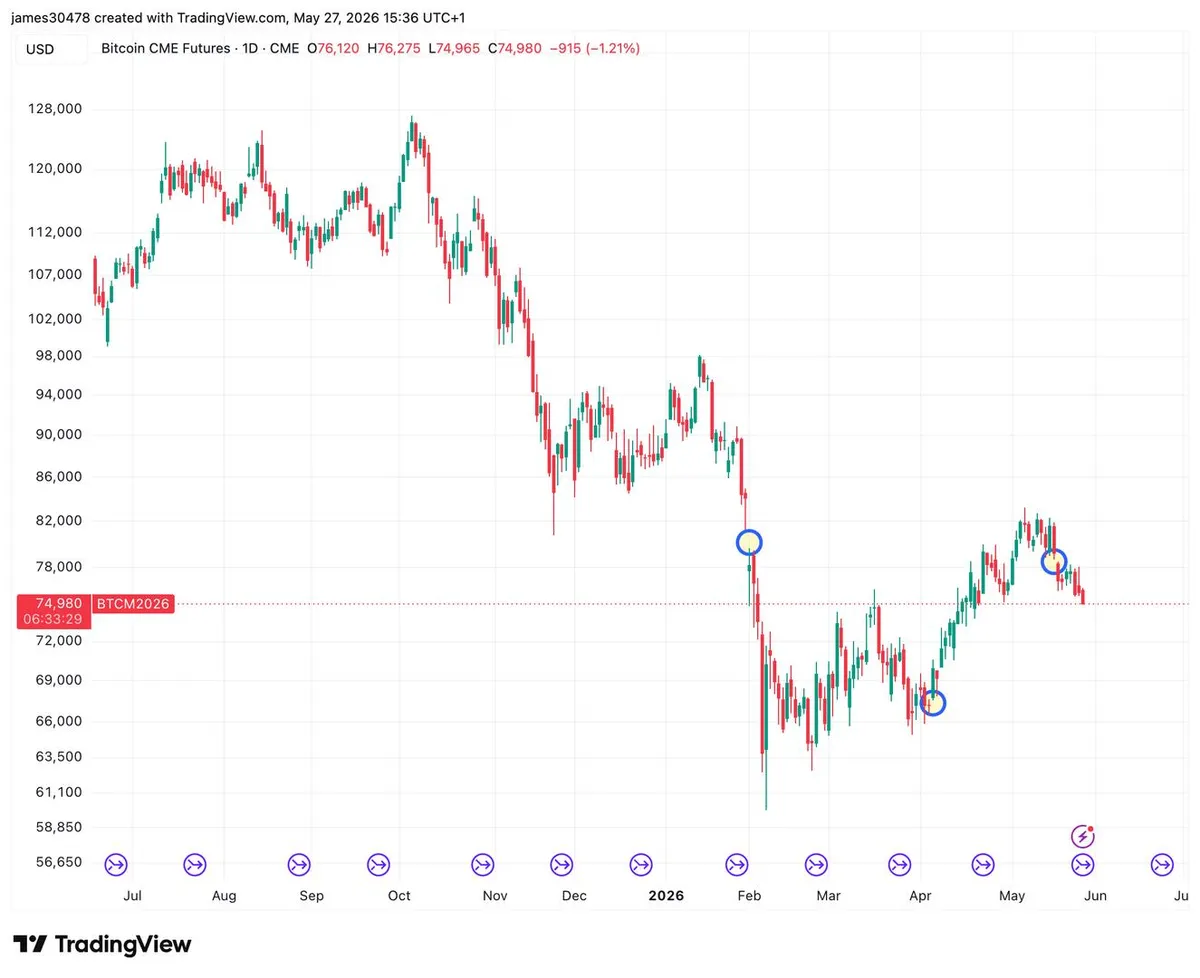
Bitcoin futures trading on the Chicago Mercantile Exchange (CME) is set to undergo a significant transformation with the introduction of round-the-clock trading. This development signals the potential elimination of the infamous CME weekend gaps, which have been a notable feature in Bitcoin’s price movements. These gaps occur when the market closes on Friday and reopens on Sunday, often leading to price discrepancies that traders watch closely. With continuous trading, these gaps may soon become a relic of the past, fundamentally changing how institutional investors engage with Bitcoin.
The CME has been a cornerstone in the development of Bitcoin as a legitimate asset class since it launched Bitcoin futures trading in December 2017. The introduction of these futures allowed institutional investors to hedge their positions and speculate on Bitcoin's price without having to hold the underlying asset. However, the traditional trading hours meant that gaps could form, often resulting in price corrections once the market reopened. This created opportunities for traders but also introduced volatility and uncertainty. The move to 24/7 trading reflects the broader trend of integrating cryptocurrency markets into traditional financial systems.
The implications of this shift are significant for the crypto market. Eliminating the CME gaps could lead to reduced volatility, as the continuous trading model allows for a more stable price discovery process. This change may enhance investor confidence and attract even more institutional participation, further legitimizing Bitcoin as an asset class. Moreover, it underscores a growing recognition of cryptocurrency as a serious component of the financial ecosystem, pushing for continuous market accessibility.
Industry reactions have been largely positive, with experts highlighting the long-term benefits of 24/7 trading. Many believe this will result in a more mature and resilient market. Analysts suggest that the absence of weekend gaps will lead to fewer dramatic price swings, potentially smoothing out the investor experience. However, some traders express concern that this could reduce the opportunities for profitable trades that arise from these gaps. Overall, the consensus is that this move is a step forward for the institutional embracing of cryptocurrencies.
Looking ahead, the transition to continuous trading raises questions about the future of Bitcoin price movements and market strategies. As the industry adapts to this new trading environment, market participants will need to recalibrate their approaches. We can expect further developments from the CME and other exchanges in response to this shift, potentially leading to more innovations aimed at improving market efficiency and accessibility. The focus will likely remain on how this change will affect trading behavior and the broader implications for the cryptocurrency landscape.

CoinMagnetic Team
Crypto investors since 2017. We trade with our own money and test every exchange ourselves.
Updated: May 2026
From our insights:
Related news

Bitcoin's weekly close above $81,000 signals potential rise to $90,000

Elon Musk's X integrates bitcoin trading options for U.S. users
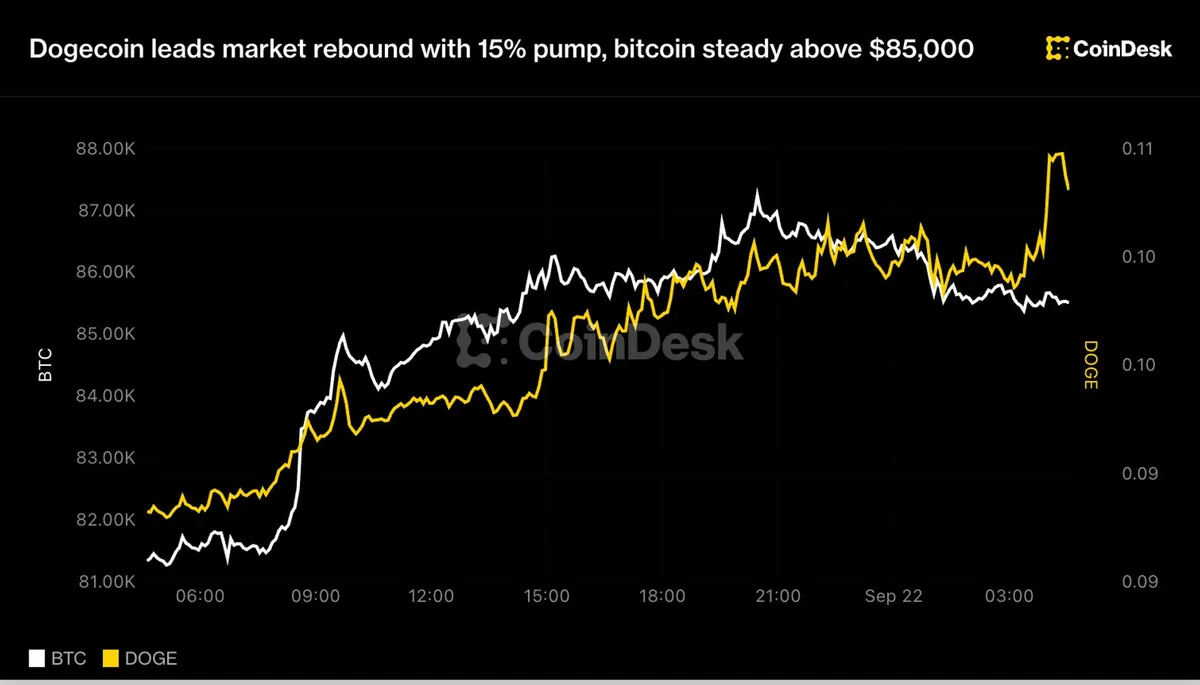
Dogecoin's 15% surge drives market recovery as bitcoin stabilizes above $85,000

Cardano adds tools for AI agent payments, joining Solana and XRP Ledger

Trueo prediction market moves from Base to Ethereum