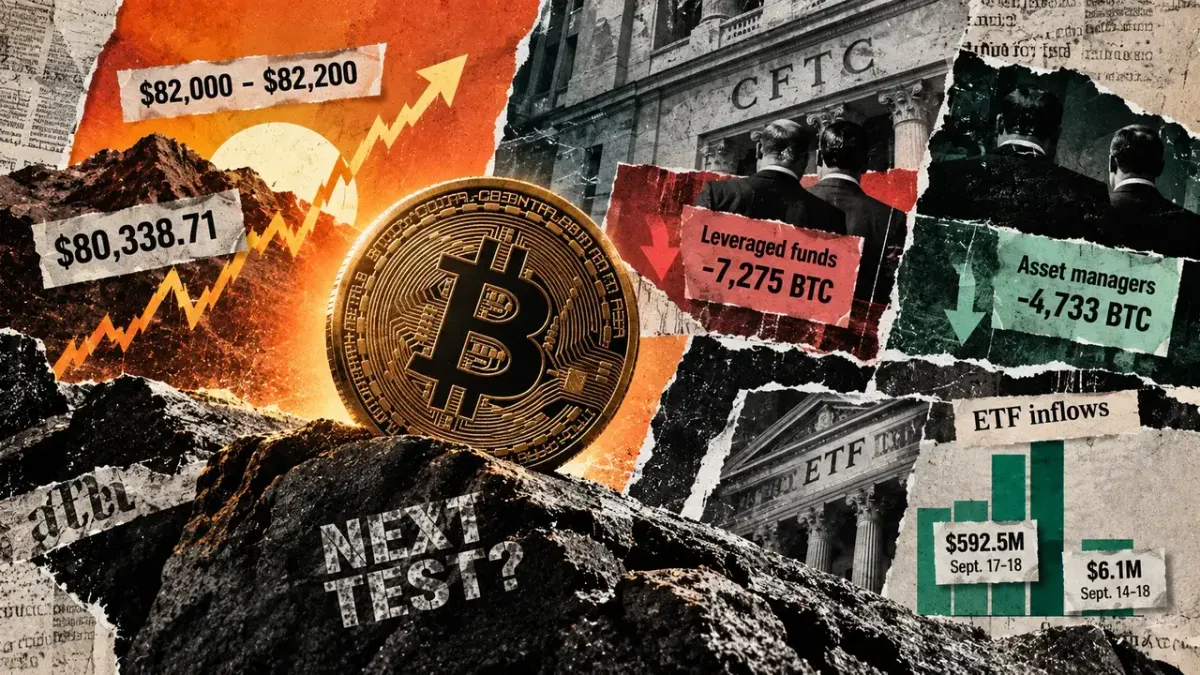
Bitcoin’s drop toward $72,000 shows how US-Iran tensions are again hitting ETFs, leverage, and flows

Bitcoin recently experienced a significant drop, sinking towards the $72,000 mark, as rising U.S.-Iran tensions and new military actions contributed to a broader risk-off sentiment in financial markets. Reports of U.S. military strikes against Iran sent shockwaves through various asset classes, leading to an uptick in oil prices and a sell-off in cryptocurrencies. In the wake of these developments, Bitcoin fell by approximately 3.6% within a 24-hour period, reaching an intraday low of $72,792 before staging a slight recovery to around $73,274. This volatility highlights how geopolitical events can directly impact cryptocurrency valuations.
The current situation is rooted in a long history of conflicts and tensions between the U.S. and Iran, which have often led to rippling effects across global markets. Investors remain sensitive to geopolitical instability, especially when it involves major economies or impacts energy prices. With rising oil prices typically associated with increased costs and inflation concerns, risk assets, including cryptocurrencies like Bitcoin, often face increased selling pressure as investors seek safer havens. The current military actions amplify these tensions, reminding market participants of the fragile balance in global geopolitics and its influence on financial markets.
This situation is particularly significant for the cryptocurrency market, as it underscores the sensitivity of Bitcoin and other digital assets to external shocks. The connection between geopolitical events and market sentiment can lead to increased volatility, affecting not just prices but also trading volumes and flows into exchange-traded funds (ETFs) that hold Bitcoin. As investors reassess their risk exposure, this could lead to a shift in capital flows away from cryptocurrencies into less volatile assets, further contributing to price instability in the near term.
Industry experts have weighed in on the situation, noting that while such geopolitical tensions can lead to short-term price drops, they also highlight the growing maturity of the cryptocurrency market. Some analysts suggest that Bitcoin's price resilience in the face of these challenges may indicate its evolving role as a hedge against traditional financial systems. However, others caution that unless these geopolitical issues are resolved or stabilized, Bitcoin could continue to experience significant price swings as investor sentiment fluctuates.
Looking ahead, market participants will be closely monitoring both the geopolitical landscape and Bitcoin's price movements. If tensions between the U.S. and Iran escalate further, we could see additional impacts on crypto market dynamics and investor behavior. Conversely, should de-escalation occur, it may provide a more stable environment for Bitcoin to regain its footing and potentially attract renewed investment interest. As always, the interplay of global events and crypto markets remains a complex and evolving narrative that warrants ongoing attention.

CoinMagnetic Team
Crypto investors since 2017. We trade with our own money and test every exchange ourselves.
Updated: May 2026
From our insights:
Related news
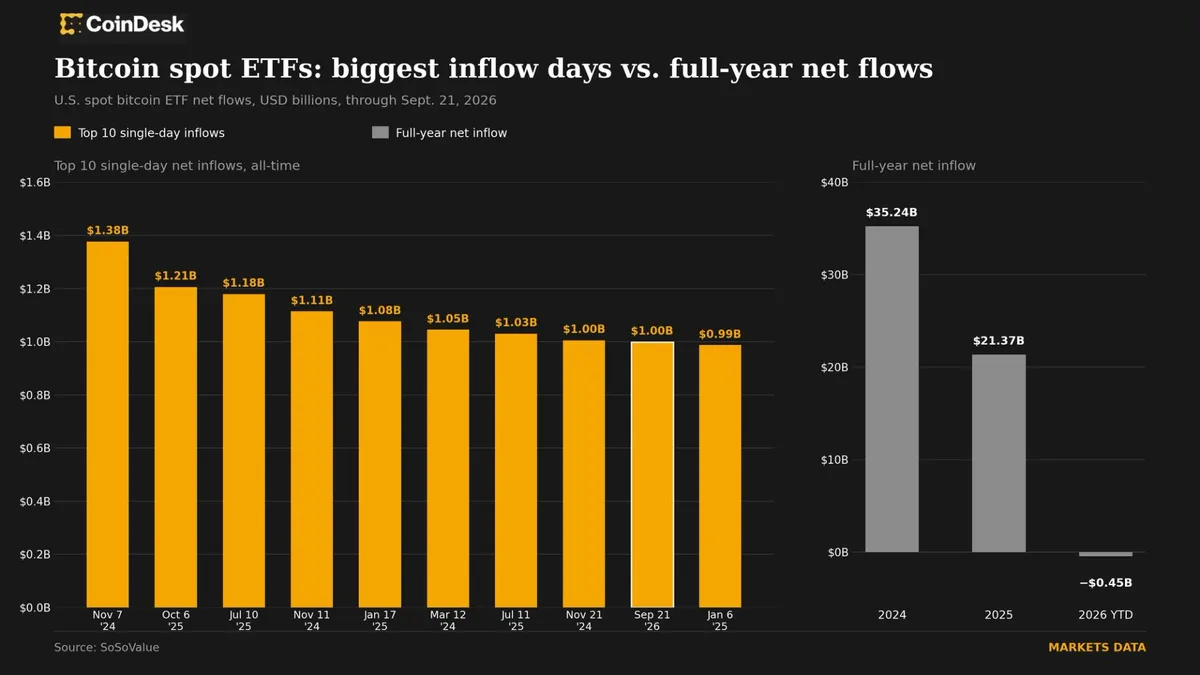
Spot bitcoin ETFs see nearly $1 billion inflow as bitcoin hits January highs
US spot Bitcoin ETFs see nearly $1 billion inflow, highest since October 2025
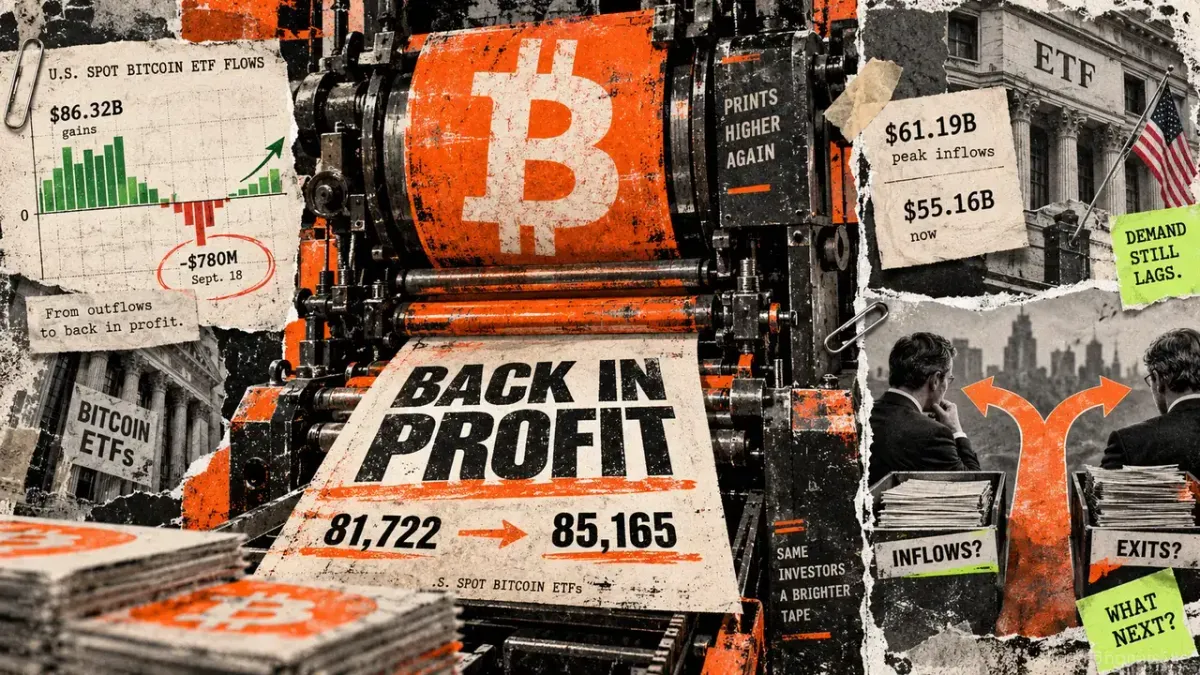
Bitcoin's rise to $86,000 restores profitability for ETF investors

Apple and Google seek crypto experts, signaling potential stablecoin initiatives

ECB initiates bond purchases using its own funds in crypto-linked system