Bitcoin’s Dip Below $80K Could Be ‘Short-Lived’ as STRC Cycle Looms

Bitcoin recently experienced a notable dip below the $80,000 mark, raising eyebrows among traders and analysts alike. This decline comes at a time when the cryptocurrency is often characterized by its volatility. The dip appears to be tied to various market dynamics, including mid-month seasonal trends and significant outflows from exchange-traded funds (ETFs), which have seen approximately $630 million exit the market. Despite this recent downturn, some experts believe that the dip could be short-lived, especially with the upcoming Strategy's STRC cycle, which has historically prompted mid-month rallies for Bitcoin.
To understand the current situation, it's essential to consider the historical context of Bitcoin's price movements. Since March, the STRC stock has been closely linked to mid-month surges in Bitcoin's value. This seasonal pattern has created an expectation among traders that Bitcoin might rally as the month progresses. However, the recent plateauing of demand in May, coupled with substantial ETF outflows, suggests that the market may be undergoing a period of consolidation. This backdrop has heightened concerns about the sustainability of Bitcoin's price levels as investors reassess their positions.
The implications of this price dip for the broader cryptocurrency market are significant. A sustained drop below $80,000 could lead to increased selling pressure and may trigger a wave of stop-loss orders, further exacerbating the decline. Alternatively, if the market responds positively to the impending STRC cycle, we could witness a rapid rebound, which would reinvigorate investor confidence. The current sentiment in the market is somewhat cautious, with players weighing the potential for both upward and downward movements as the situation evolves.
Industry reactions have been mixed, with some analysts expressing optimism about the potential for a rebound, while others remain skeptical about the sustainability of the current price levels. Experts have noted that while the STRC cycle has historically influenced Bitcoin’s price, external factors such as macroeconomic conditions, regulatory developments, and investor sentiment will also play crucial roles. The recent outflows from ETFs indicate that institutional interest may be waning, which could impact price movements in the near term.
Looking ahead, the upcoming STRC cycle could serve as a critical juncture for Bitcoin's price trajectory. If historical patterns hold true, we may see a resurgence in demand and a subsequent rally. However, traders should remain vigilant and prepared for volatility in the interim, as the market adjusts to the current landscape. As we continue to monitor developments, the interplay between demand, investor sentiment, and external factors will ultimately shape the future of Bitcoin in this dynamic environment.

CoinMagnetic Team
Crypto investors since 2017. We trade with our own money and test every exchange ourselves.
Updated: May 2026
From our insights:
Related news

Crypto VC Hashed anchors new digital asset private credit fund targeting $300 million

21shares launches first European ETP for Zcash after US ETF debut

Bitcoin ETFs attract nearly $1B in a single day as holders regain profitability
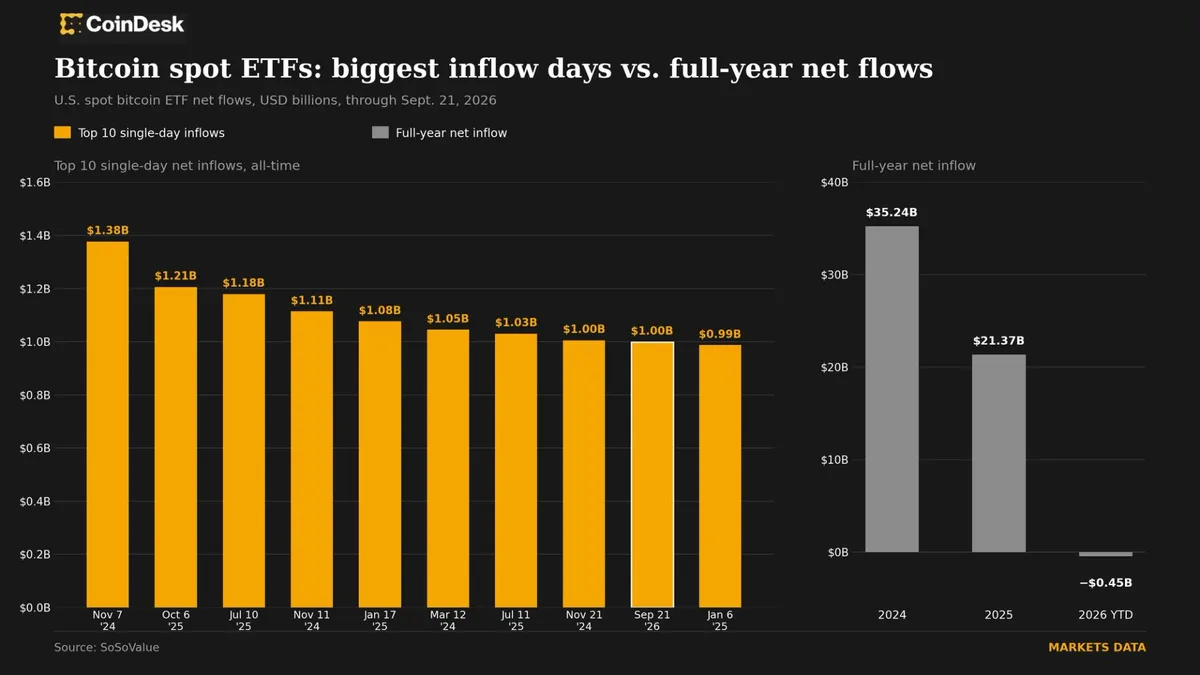
Spot bitcoin ETFs see nearly $1 billion inflow as bitcoin hits January highs

US spot Bitcoin ETFs see nearly $1 billion inflow, highest since October 2025