Bitcoin’s compute power dwarfs top 100 supercomputers by 600k times, says Bittensor co-founder
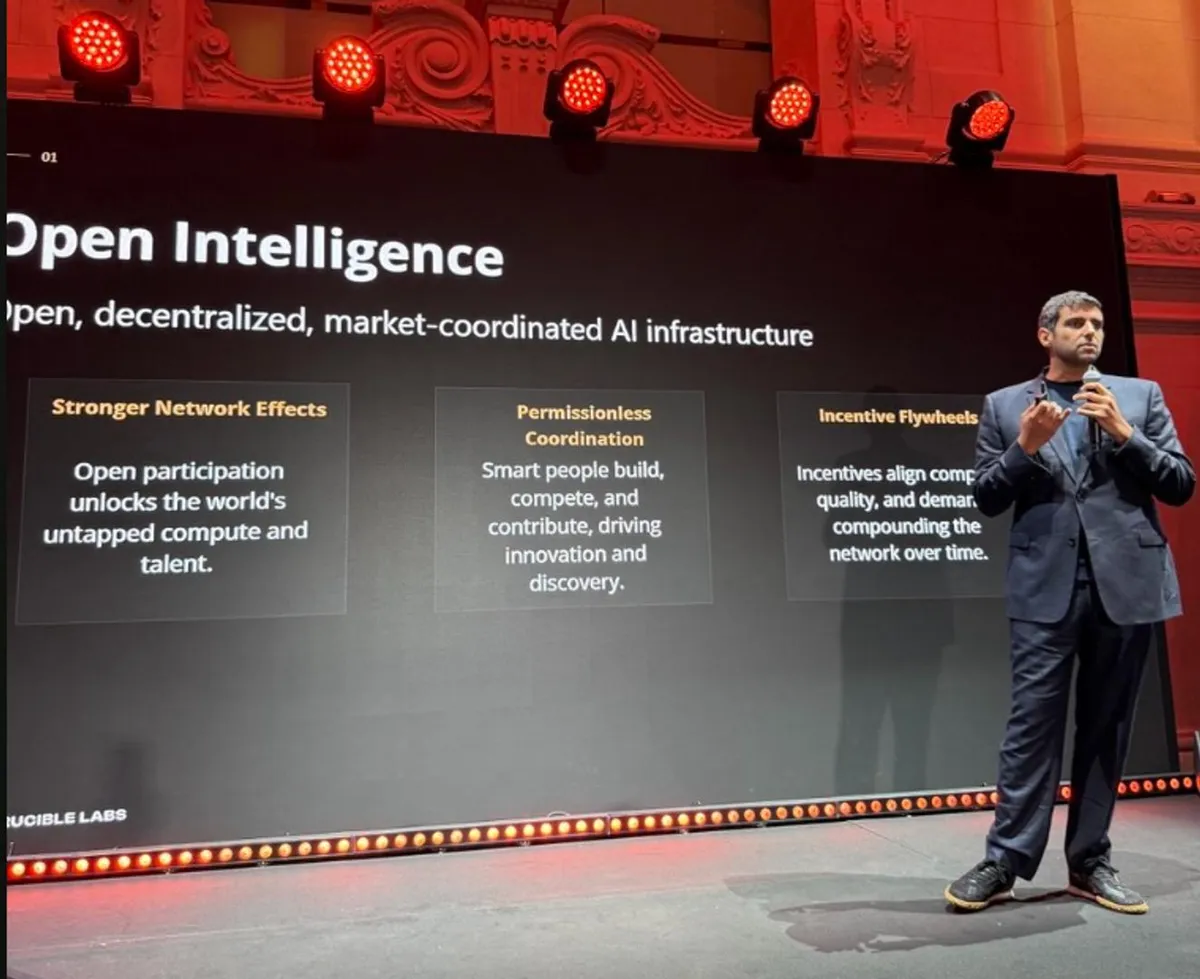
In a striking revelation, Ala Shaabana, the co-founder of Bittensor, has highlighted the immense computational power of the Bitcoin network, claiming it surpasses that of the top 100 supercomputers combined by a staggering 600,000 times. Shaabana elaborated on the potential implications of this computational capacity, particularly in the realm of artificial intelligence (AI). He posits that leveraging the Bitcoin network's unique coordinate-and-reward mechanism could significantly disrupt existing corporate monopolies that dominate the AI landscape, fostering a more decentralized and accessible ecosystem for innovation.
To understand the significance of this statement, it's essential to recognize the evolution of both Bitcoin and AI technologies. Bitcoin, introduced in 2009, has steadily grown to become the most recognized cryptocurrency, primarily due to its robust decentralized network. Meanwhile, the AI sector has seen rapid advancements and increasing reliance on powerful computational resources to drive machine learning models and data analytics. The convergence of these two technological fronts presents an exciting opportunity to rethink how AI can be developed and deployed, particularly in a manner that prioritizes decentralization and democratization.
The implications of Shaabana's insights are profound for the cryptocurrency and AI markets. With Bitcoin's computational prowess, there's a potential shift in how AI can be accessed and utilized, reducing the stranglehold of tech giants that currently monopolize the industry. If the Bitcoin network can successfully facilitate AI development through its decentralized framework, it could lead to a more equitable distribution of technological benefits and foster innovation outside traditional corporate structures. This shift could also attract more investment and interest into the cryptocurrency space, as stakeholders recognize the potential synergy between these two powerful technologies.
Industry reactions to Shaabana's statements have been mixed, with some experts expressing enthusiasm about the potential for Bitcoin to redefine AI development. Others, however, remain skeptical, questioning whether the Bitcoin network can efficiently handle the specific demands of AI computations given its current structure and energy consumption concerns. Prominent voices in the tech community are debating the feasibility of integrating AI with blockchain technology, with some advocating for a hybrid approach that combines the strengths of both ecosystems while addressing their respective weaknesses.
Looking ahead, it will be crucial to monitor the developments in this intersection of Bitcoin and AI. As discussions continue and experiments begin, we may witness the emergence of new platforms or protocols that harness Bitcoin's computational power for AI applications. If successful, this could lead to a transformative shift in both industries, paving the way for a future where AI is accessible to a broader audience and not confined to the resources of a few corporations. The coming months and years will be instrumental in determining whether this vision can become a reality.

CoinMagnetic Team
Crypto investors since 2017. We trade with our own money and test every exchange ourselves.
Updated: June 2026
From our insights:
Related news
Crypto firms put $206 million behind the midterms: here’s who their political machine is backing

Stand With Crypto’s 4 million registered advocates couldn’t get the CLARITY Act through the Senate

Kakao Pay, KakaoBank to explore stablecoin opportunities with Fireblocks

US Attorney's investigation into Binance focuses on Iran sanctions compliance

ECB initiates wholesale digital euro for banks and tokenized bond purchases