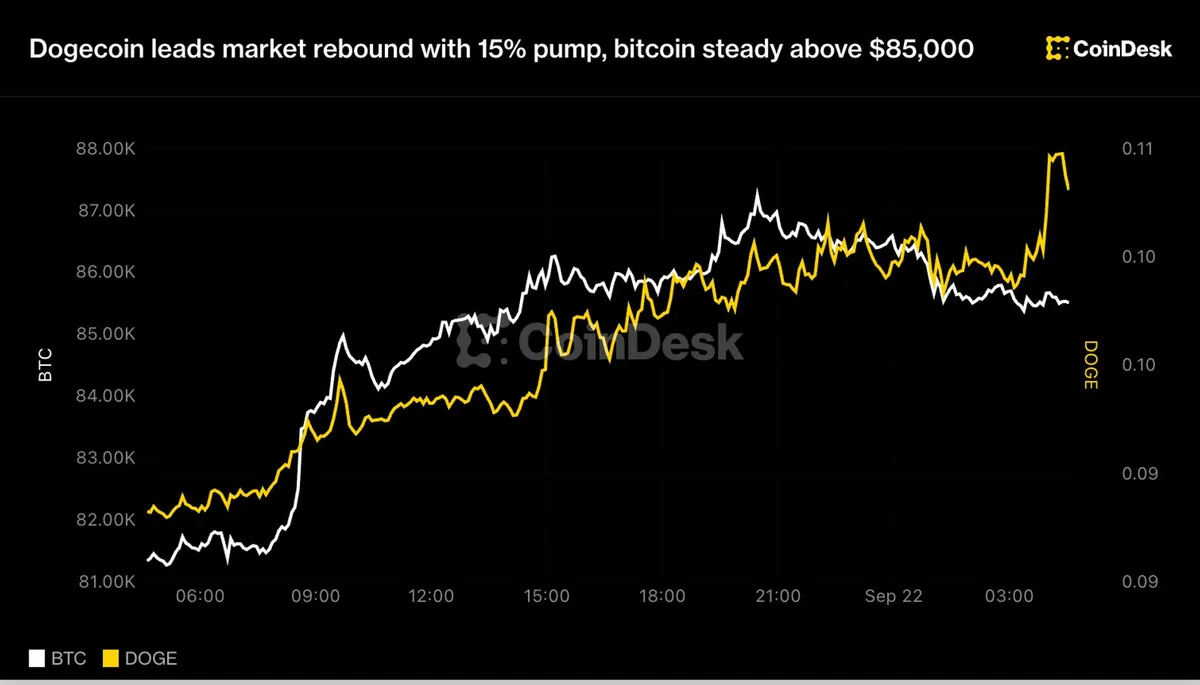
Bitcoin’s $63k slide shows ETF demand fighting AI equities for dollar liquidity

Bitcoin recently experienced a notable slide, dropping to around $63,000, which has led to discussions about its evolving relationship with traditional equities, particularly in light of growing demand for exchange-traded funds (ETFs) and the surge in artificial intelligence (AI) stocks. This marked decline comes at a critical juncture, as investors navigate a landscape where crypto assets and AI equities are competing for dollar liquidity. The correlation between Bitcoin and the S&P 500 has shifted, suggesting that factors influencing one market are not necessarily affecting the other in the predictable ways they once did.
To understand the context behind this shift, we need to consider the broader economic environment. Throughout much of 2026, Bitcoin had maintained a close relationship with traditional stock markets. Events such as the rise in oil prices due to geopolitical tensions, including the Iran war, triggered inflation fears, resulting in sell-offs in both equities and Bitcoin. This dynamic made it easy for investors to view Bitcoin as a risk asset that would move in tandem with stocks. However, recent trends indicate a divergence, challenging the notion that Bitcoin can be treated merely as a speculative asset tied to the performance of traditional markets.
The implications of this decoupling are significant for market participants. As ETF demand rises, particularly for Bitcoin, it suggests that institutional investors are increasingly viewing cryptocurrency as a legitimate asset class, separate from traditional equities. This has the potential to attract a different type of investor eager to diversify portfolios. On the flip side, the burgeoning AI sector is drawing substantial investments, which could lead to liquidity constraints for both asset classes. The tug-of-war between the two could influence price volatility in the near term, as investors decide where to allocate their capital amidst competing opportunities.
Industry experts have weighed in on this situation, noting that while the demand for Bitcoin ETFs signals confidence in the cryptocurrency market, the simultaneous rise of AI equities could lead to a more complex investment landscape. Some analysts argue that this could lead to a bifurcation in investor sentiment, where funds are strategically allocated based on macroeconomic indicators and sector performance rather than a straightforward risk-on or risk-off approach. Others warn that if AI stocks continue to dominate investor interest, Bitcoin might face further downward pressure as capital flows are redirected.
Looking ahead, the market will likely continue to grapple with these competing narratives. Investors should closely monitor both the performance of Bitcoin and the developments in the AI sector, as shifts in sentiment or regulatory changes could further influence their trajectories. The interaction between ETF demand and the allure of AI equities will be crucial in determining the future liquidity landscape and could set the stage for new trends in both cryptocurrency and traditional markets. As this dynamic evolves, it will be essential for market participants to remain agile and informed.

CoinMagnetic Team
Crypto investors since 2017. We trade with our own money and test every exchange ourselves.
Updated: June 2026
From our insights:
Related news
Iran hints at reopening Strait of Hormuz, WTI oil drops to $89

New altseason signal emerges as Bitcoin market cap stays under 60%

Bitcoin nears $86,000 as crypto market cap surpasses $3 trillion

Bitcoin's weekly close above $81,000 signals potential rise to $90,000

Elon Musk's X integrates bitcoin trading options for U.S. users